
 Bird Flu Crisis: A Growing Global Health Concern
KillBait - News highlights delivered clearly and responsibly—no clickbait, no sensationalism
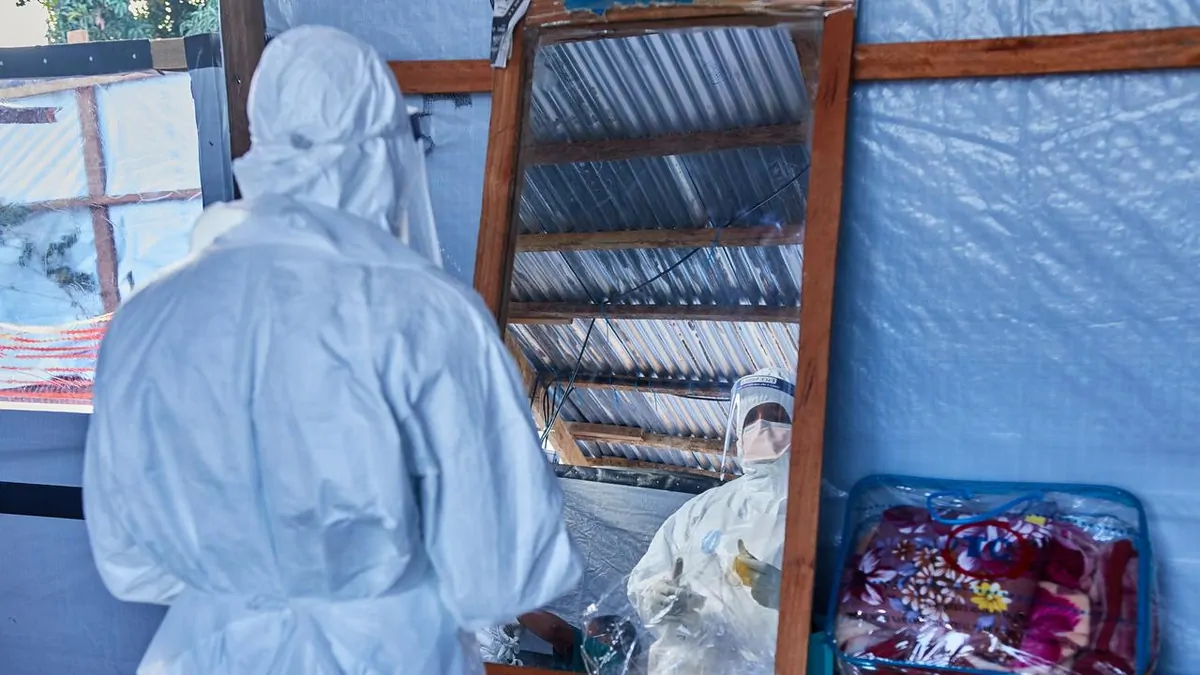
Photo: The Nightly
2026-07-09 21:21 Health 10


DR Congo Ebola outbreak expands into new provinces as death toll reaches 600
The Democratic Republic of Congo's latest Ebola outbreak has continued to worsen, with the reported death toll reaching 600 and new suspected cases emerging outside the outbreak's original epicentre in Ituri province.
According to the country's health ministry, suspected infections have now been identified in Tshopo and Haut-Uele provinces, raising concerns that the virus is spreading into previously unaffected areas.
Two suspected cases were reported in Kisangani, with one linked to the Nia-Nia health zone in Ituri and another having no obvious connection to known outbreaks, prompting further investigation by health authorities.The outbreak, officially declared on 15 May after weeks of undetected transmission, has resulted in 1,759 confirmed cases nationwide.It is caused by the Bundibugyo strain of the Ebola virus, a rare variant for which there is currently no approved vaccine or specific treatment.Researchers have recently begun clinical trials aimed at identifying effective therapies for the disease.The response has also faced operational challenges.Ebola response workers staged protests outside several treatment centres in Bunia, claiming they had not received all of the wages owed to them.While police dispersed one demonstration, authorities said discussions with workers were continuing and no strike action had commenced.Health Minister Samuel Roger Kamba acknowledged shortcomings in the management of staff payment records.
Efforts to contain the outbreak have also been complicated by funding shortages, attacks on healthcare facilities and the ongoing armed conflict in eastern DR Congo, all of which have made disease surveillance, treatment and community outreach significantly more difficult.
2186
Original title: Ebola outbreak: Death toll in DR Congo reaches 600 as deadly virus spreads
The AI system has determined that this news is not clickbait/sensationalist: : The original title accurately reflects the central facts of the story by reporting the rising death toll and the continued spread of the Ebola outbreak. While it is serious in tone because of the subject matter, it does not exaggerate or misrepresent the article's contents. This has coincided with the opinion of the majority of users.
You may also be interested in...
Bird Flu Crisis: A Growing Global Health Concern
 Australia's Health Spending and Chronic Disease Challenges
 The mental health impact of extreme photo editing in youth