
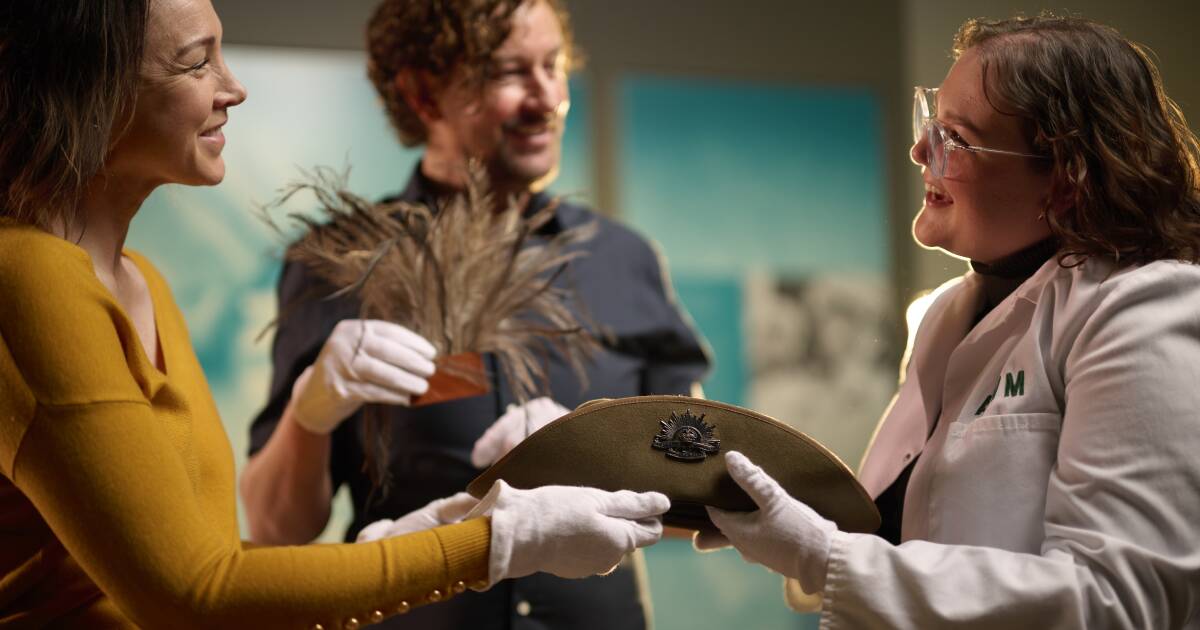
 Australian War Memorial Launches Enhanced Membership Program to Preserve National History
KillBait - News highlights delivered clearly and responsibly—no clickbait, no sensationalism
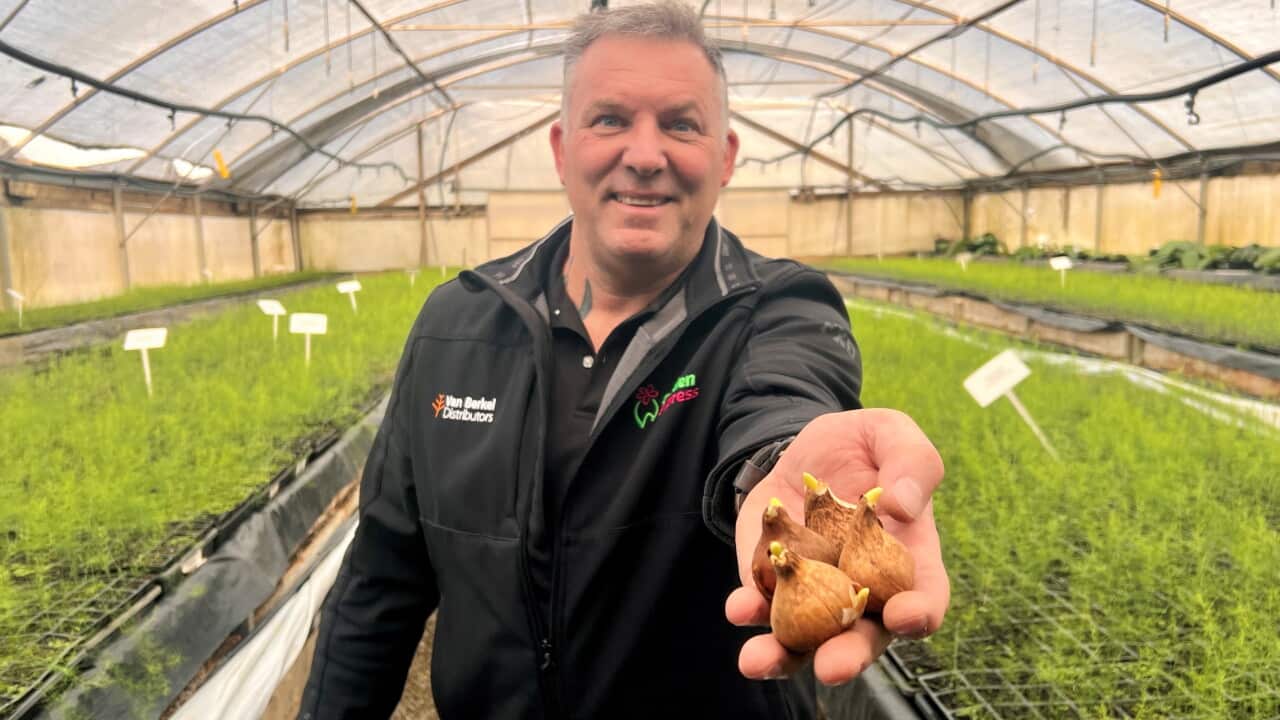
Photo: SBS Australia
2026-07-11 19:01 History 10


Dutch Migrants' Legacy and Integration in Post-WWII Australia
The article explores the experiences of Dutch migrants who settled in Australia after World War Two, focusing on their cultural preservation, language shift, and historical trauma.David Van Berkel's family, third-generation tulip growers in Victoria, highlights the fading Dutch heritage and assimilation pressures.
Linguist Michael Clyne's research reveals Dutch Australians faced one of the highest language shifts to English, driven by post-war assimilation policies.Historian Nonja Peters recounts her family's forced labor under Nazi occupation and the psychological scars of migration.
The Monbulk Historical Society's exhibition 'From the Lowlands to the Ranges' aims to preserve these stories, alongside the van Horick family's experiences in Bonegilla Migrant Camp.
The piece underscores the balance between integration and cultural preservation, emphasizing the resilience of Dutch communities in shaping Australia's multicultural identity.
2186
Original title: The 'invisible migrants' no-one talked about — until now
The AI system has determined that this news is clickbait/sensationalist: : The original title uses dramatic phrasing ('no-one talked about — until now') to sensationalize the story, which is more clickbait than factual. This has coincided with the opinion of the majority of users.
You may also be interested in...
Australian War Memorial Launches Enhanced Membership Program to Preserve National History
 Jobs Resilient to AI: Future Career Opportunities in Key Sectors
 Australian Turf Expert Oversees World Cup Pitch Maintenance in Los Angeles