
 Marilyn Monroe and Her Cats: A Glimpse into the Star’s Love for Animals
KillBait - News highlights delivered clearly and responsibly—no clickbait, no sensationalism
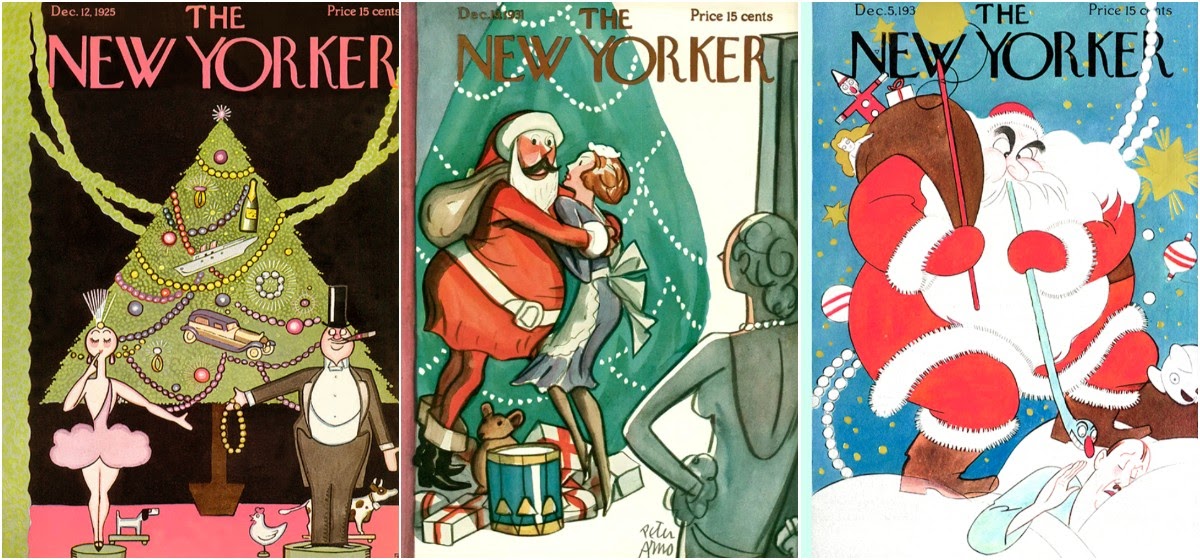
Photo: vintag.es
2026-05-26 02:12 Culture 37 


Early Christmas Cover Art from The New Yorker in the 1920s and 1930s
The article presents a retrospective look at 51 Christmas-themed covers from The New Yorker magazine, focusing on works produced during the 1920s and 1930s.
Founded in 1925 by Harold Ross and Jane Grant, The New Yorker quickly became known for its distinctive blend of journalism, satire, fiction, and especially its iconic illustrated covers.During its early decades, the magazine’s holiday editions reflected both traditional Christmas imagery and the evolving urban life of New York City.Artists such as Rea Irvin, Helen E.
Hokinson, Ilonka Karasz, and Constantin Alajalov contributed memorable illustrations that captured festive scenes with humor, elegance, and social observation.
The covers from this era often depicted Santa Claus in unconventional settings, integrating him into everyday city life—whether interacting with office routines, navigating busy streets, or appearing in humorous domestic situations.
Alongside Santa, other recurring holiday motifs included carolers, Christmas shoppers in bustling department stores, handmade decorations, and winter street scenes that reflected the energy of New York during the holiday season.The influence of Art Deco design is also evident in many of these illustrations, giving them a stylized and modern aesthetic.
Following the economic downturn after the 1929 stock market crash, some covers shifted toward more restrained and classical compositions, offering a sense of stability and tradition during uncertain times.
In addition, several illustrations explored the transition from Christmas to New Year’s celebrations, with symbolic figures such as Father Time appearing in elegant and reflective scenes.
Overall, the collection highlights how The New Yorker’s early holiday covers balanced humor, artistry, and cultural commentary while documenting changing social moods through the festive lens of Christmas imagery.
2459
Original title: A Gallery of 51 Wonderful Christmas Covers of The New Yorker Magazine During the 1920s and 1930s
The AI system has determined that this news is not clickbait/sensationalist: : The original title is descriptive and accurately reflects the content of the article, which focuses on a curated collection of historical New Yorker Christmas covers. Although it uses the word 'Wonderful,' it is not overly sensational or misleading. This has coincided with the opinion of the majority of users.
Comments :
You may also be interested in...
Marilyn Monroe and Her Cats: A Glimpse into the Star’s Love for Animals
 A Glimpse of London Life in the Early 1960s Through Vintage Photography
 Guide to Accessing the May 31 Crossword and Its Solutions by Evan Birnholz
#1 blue
Funny how even Christmas got turned into slick urban propaganda. Santa stuck in office culture and department store chaos like some overworked capitalist mascot. Still, the old Art Deco vibe beats today’s soulless holiday garbage.