
 Health experts caution that consumption of wild animals may be contributing to Ebola outbreaks in Congo
KillBait - News highlights delivered clearly and responsibly—no clickbait, no sensationalism
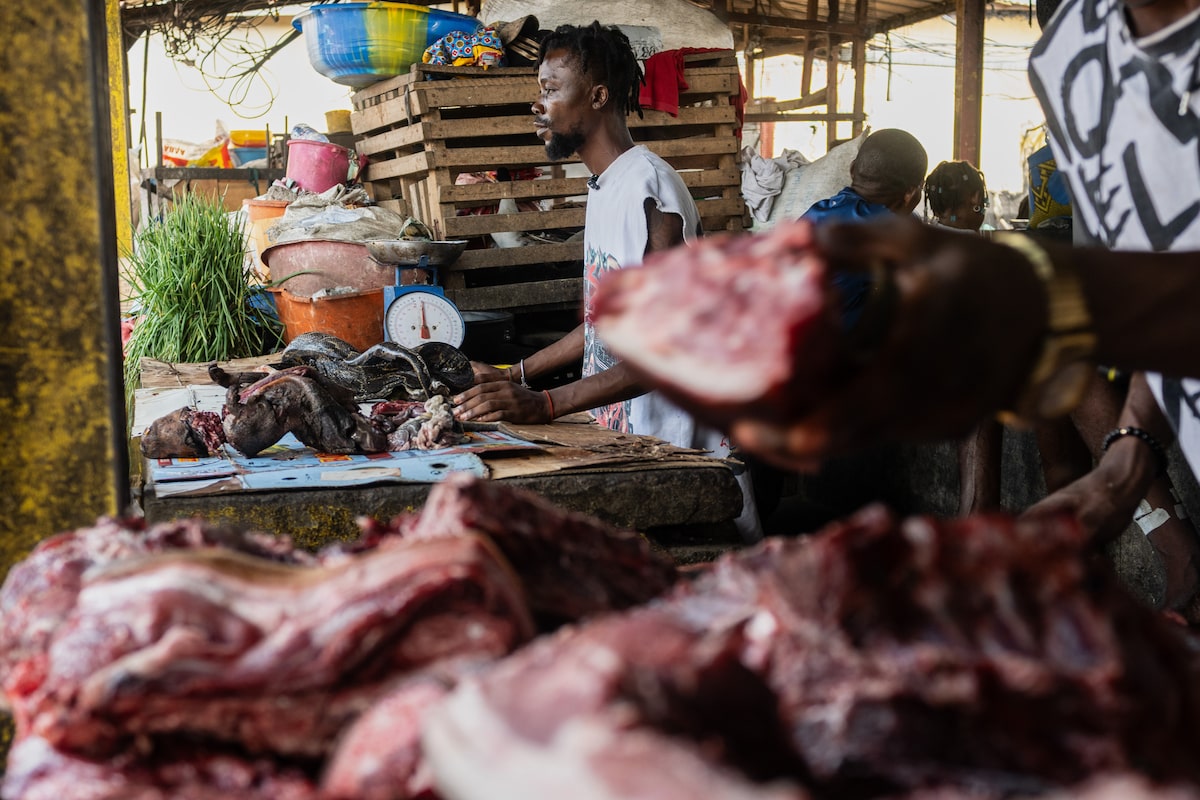
Photo: The Globe and Mail
2026-05-30 20:16 Health 10 


Ebola Outbreak in Congo Linked to Hunting and Consumption of Wild Meat
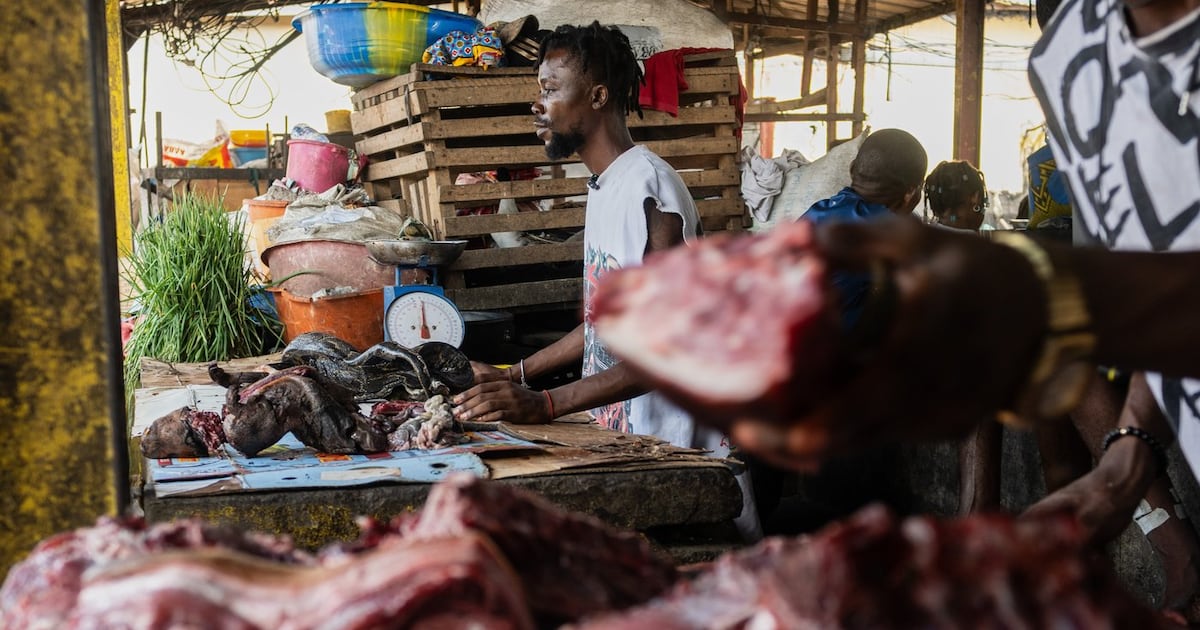
The recent Ebola outbreak in eastern Congo underscores the ongoing health risks associated with hunting and consuming wild animals, a practice deeply ingrained in local culture.Vendors at markets like Masina in Kinshasa continue to sell wild meat, including rodents, antelope, and snakes, despite the presence of the virus.
Experts note that Ebola often originates from animal-to-human transmission, particularly through contact with infected wildlife such as fruit bats and monkeys.While Ebola is not typically spread through food itself, handling and processing infected animals can trigger outbreaks.The current epidemic, caused by the rare Bundibugyo strain, has led to over 1,000 suspected cases and at least 220 deaths since May 15.The Congo Basin, a rich biodiversity hotspot and major carbon sink, faces mounting pressure from the wildlife trade, with an estimated 4.5 million tons of wild meat harvested yearly.
Public health specialists emphasize the need for education campaigns to inform communities about the risks of consuming wild meat and to encourage safer practices, as cultural traditions make behaviour change challenging.Authorities have restricted hunting of endangered species but illegal trade continues.The outbreak is compounded by armed conflict and displacement in affected regions, further complicating containment efforts and medical response.
Full reading at The Globe and Mail
2186
Original title: Congo Ebola outbreak highlights risk of hunting, eating wild animals
The AI system has determined that this news is not clickbait/sensationalist: : The title accurately reflects the content of the article, highlighting a real public health concern without exaggeration. This has coincided with the opinion of the majority of users.
You may also be interested in...
Health experts caution that consumption of wild animals may be contributing to Ebola outbreaks in Congo
 WHO says Ebola outbreak in DR Congo can be stopped but remains complex amid conflict
 Canada considers suspension of over 24,000 immigration documents under Ebola-related border restrictions