
 DNA test may help many breast cancer patients over 40 avoid chemotherapy, study finds
KillBait - News highlights delivered clearly and responsibly—no clickbait, no sensationalism
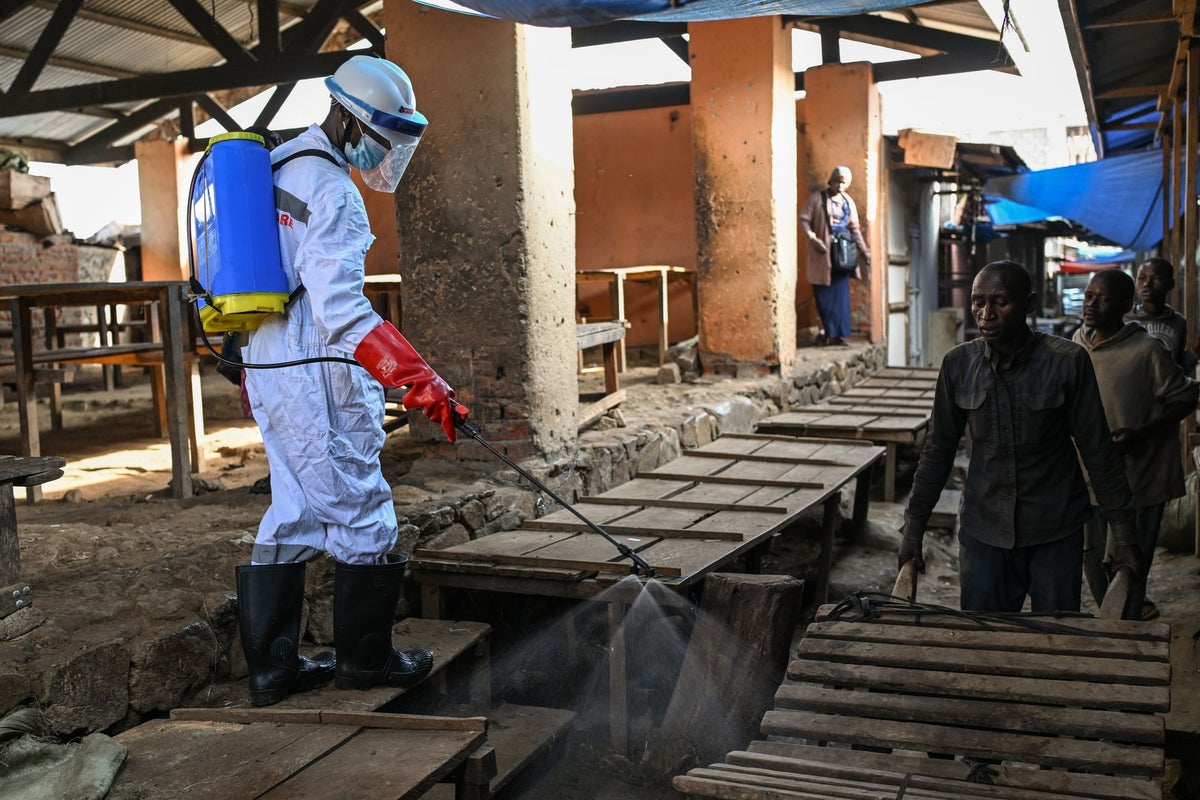
Photo: The Independent
2026-05-23 20:04 Health 12 


Ebola treatment centres attacked in eastern DR Congo as patients flee amid unrest
Health authorities in the Democratic Republic of Congo are dealing with a worsening Ebola outbreak after two treatment facilities in the eastern Ituri province were attacked within the space of a week.
In the latest incident, residents in Mongbwalu reportedly set fire to a treatment tent established by Doctors Without Borders (Médecins Sans Frontières) for suspected and confirmed Ebola cases.
The attack caused panic among healthcare staff and led to 18 patients, believed to be infected or suspected of carrying the virus, fleeing into the surrounding community.
A similar attack occurred the previous day in Rwampara, where another treatment centre was burned after tensions arose between families and health workers over the handling of a deceased Ebola patient.
These incidents highlight growing mistrust between local communities and medical responders, particularly around strict burial procedures designed to prevent further transmission.
Authorities have responded by imposing restrictions on public gatherings, including banning funeral wakes and limiting gatherings to fewer than 50 people in affected areas.The World Health Organization has raised the outbreak risk level for the country to ‘very high’, although the global risk remains low.Officials have confirmed dozens of cases and deaths, with numbers expected to rise as surveillance improves.
The outbreak is complicated by the presence of a rare strain, the Bundibugyo virus, which reportedly went undetected for weeks after initial testing focused on a different Ebola variant.
Humanitarian organisations have also reported fatalities among health workers, with several volunteers from the International Federation of Red Cross and Red Crescent Societies believed to have contracted the virus during earlier response efforts.
Health officials warn that the outbreak may be larger than current figures suggest, and emphasise the urgent need to rebuild trust with communities to ensure effective containment and treatment.
Full reading at The Independent
2226
Original title: 18 Ebola patients flee as second treatment tent is set on fire in Congo
The AI system has determined that this news is not clickbait/sensationalist: : The original title is factual and directly describes a verified event without exaggeration or sensational language. It summarises a specific incident related to a public health emergency rather than attempting to provoke curiosity or mislead the reader. This has coincided with the opinion of the majority of users.
You may also be interested in...
DNA test may help many breast cancer patients over 40 avoid chemotherapy, study finds
 Danniella Westbrook prepares for further reconstructive facial surgery following previous procedures
 Trump Declared in Excellent Health After Comprehensive Medical Examination at Walter Reed