
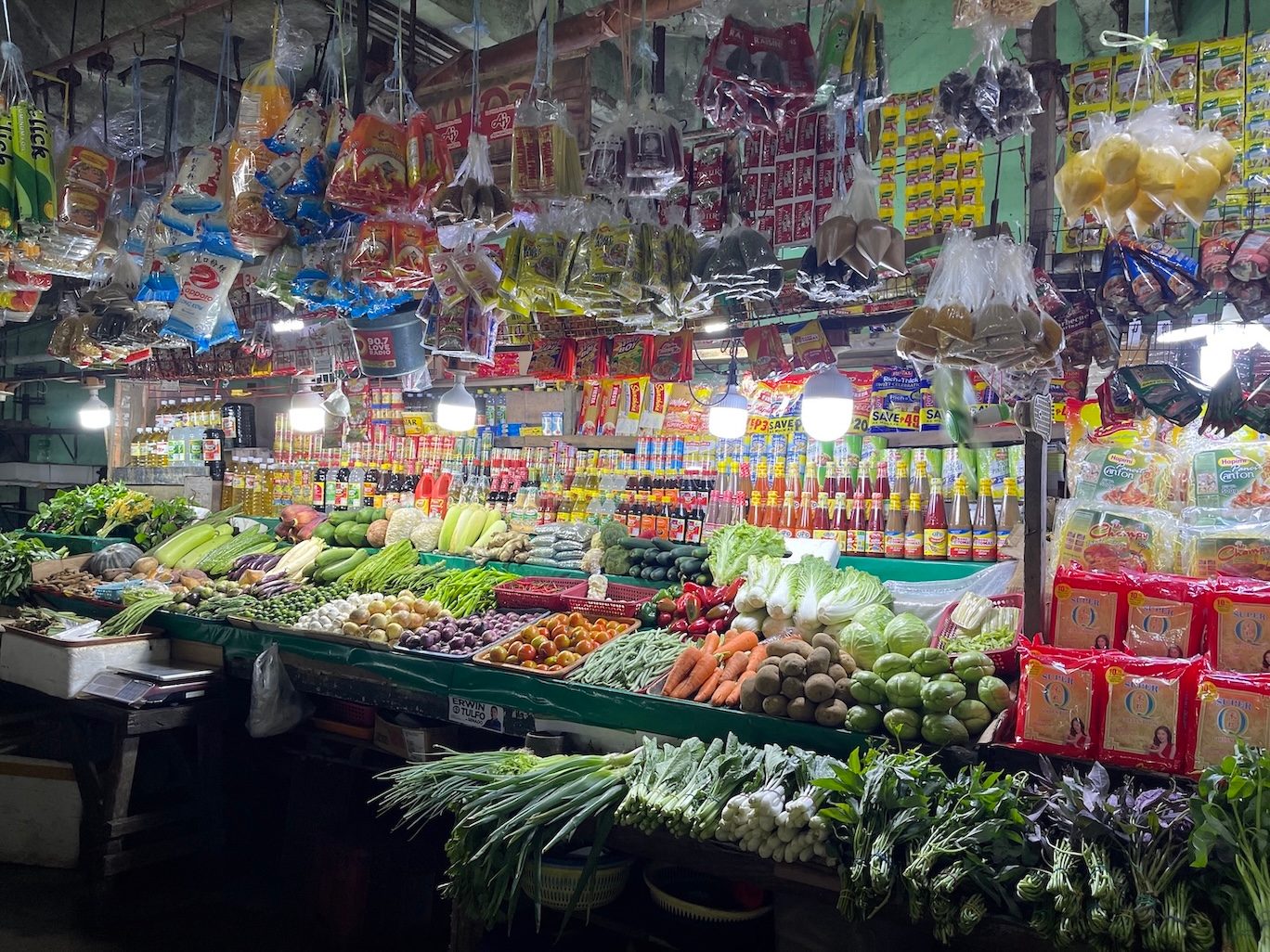
 Philippines' Inflation Remains Above Target Despite June Easing to 6.4%
KillBait - News highlights delivered clearly and responsibly—no clickbait, no sensationalism
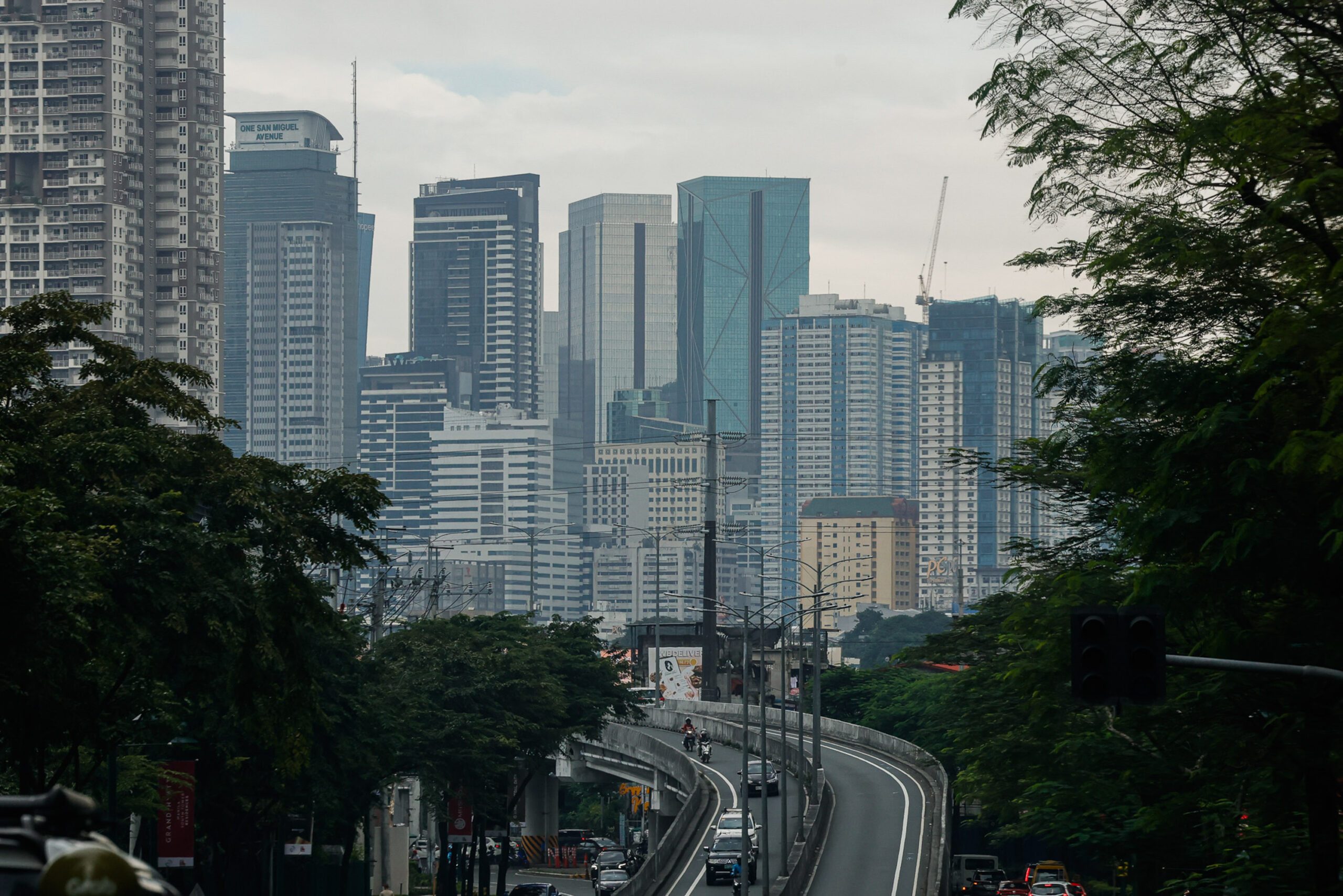
Photo: RAPPLER
2026-07-08 17:49 Economy 10


Economic Challenges Despite Upper-Middle Income Status in the Philippines
The Philippines has been classified as an upper-middle-income country, yet many Filipinos still face economic hardships.The article explores the reasons behind this discrepancy, highlighting factors such as persistent corruption, income inequality, and the impact of global economic challenges.Despite the country's progress, issues like poverty, unemployment, and uneven development continue to affect millions.The piece also discusses the government's efforts to address these issues, including policy reforms and international partnerships.However, the effectiveness of these measures remains debated.
The article emphasizes that economic classification alone does not reflect the lived realities of citizens, underscoring the need for targeted solutions to improve living standards.
It also touches on the role of external factors, such as global market trends and geopolitical tensions, in shaping the country's economic trajectory.Overall, the piece serves as a call to action for policymakers and stakeholders to focus on sustainable development and equitable growth.
2187
Original title: Gov’t cuts growth outlook for newly upgraded upper-middle-income Philippines
The AI system has determined that this news is clickbait/sensationalist: : The original title uses a rhetorical question to provoke curiosity, which is a common clickbait tactic. It promises an explanation that may not be fully addressed in the content, aiming to attract clicks. This has coincided with the opinion of the majority of users.
You may also be interested in...
Philippines' Inflation Remains Above Target Despite June Easing to 6.4%
 PLDT and DITO formalise agreement for shared use of telecom towers and infrastructure
 Data Centers Drive Up Power Costs for Rust Belt Manufacturers