
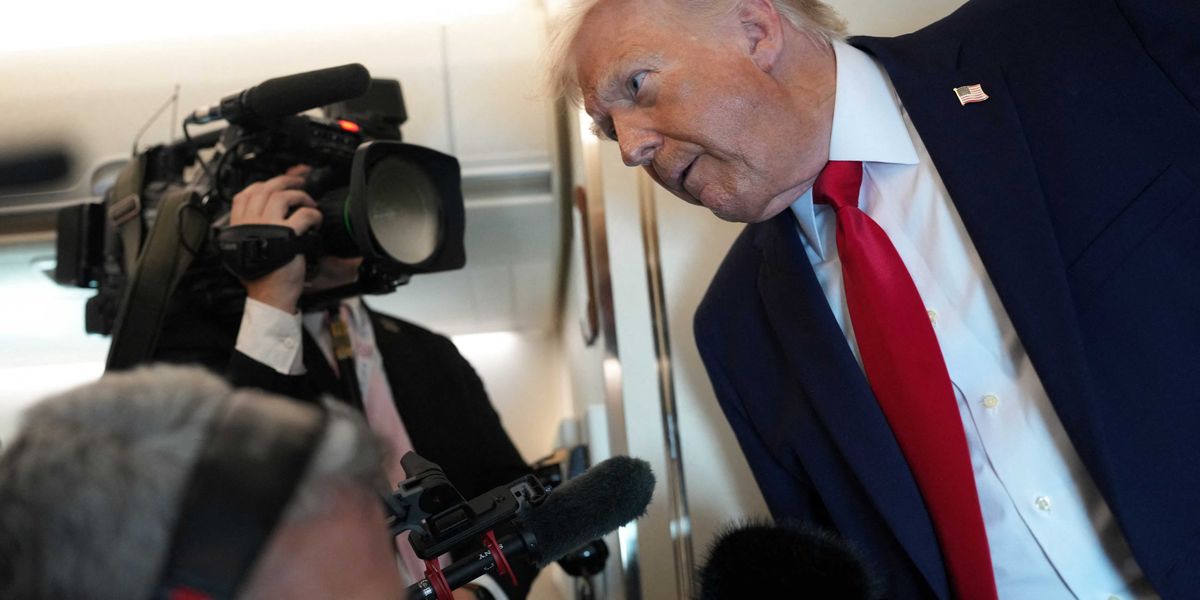
 Iranian Parliament Speaker Warns Trump After Escalating Remarks Amid Fragile U.S.-Iran Ceasefire
KillBait - News highlights delivered clearly and responsibly—no clickbait, no sensationalism
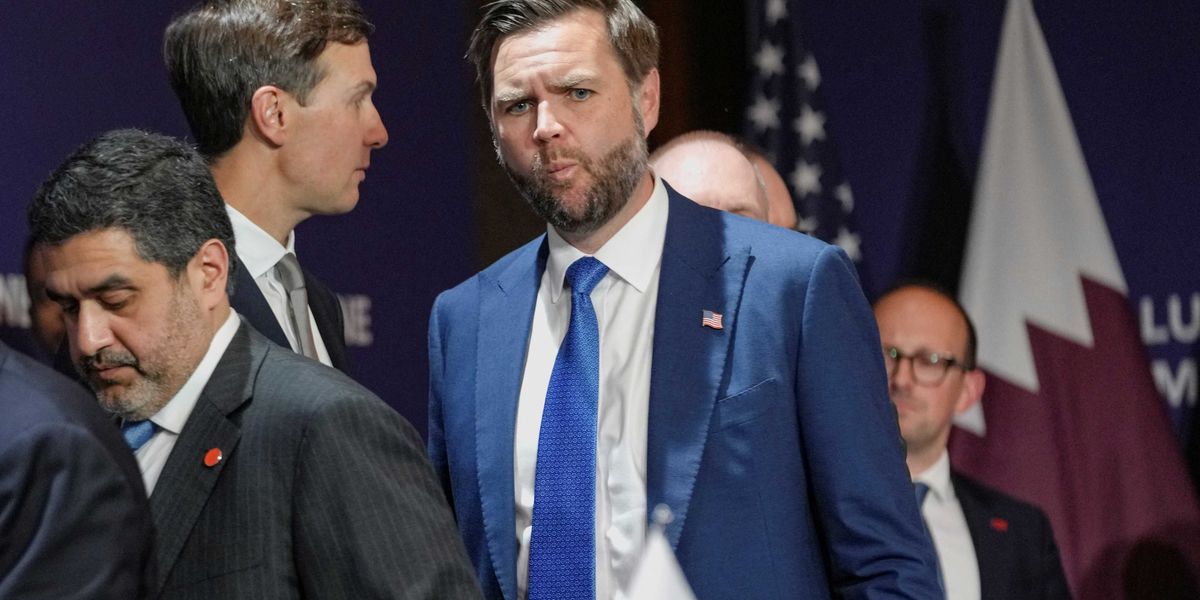
Photo: Raw Story - Celebrating 20 Years of Independent Journalism
2026-06-22 04:15 Geopolitics 12 


Economist Warns Global Economy Faces Rising Risks Amid U.S.-Iran Tensions and Trade Disruptions
An economist has warned that escalating geopolitical tensions involving the United States and Iran could place additional strain on an already fragile global economy.
During an appearance on the 'Court of History' podcast, Pulitzer Prize-winning author and former World Bank investment chief Liaquat Ahamed argued that economic conditions had already been weakened by U.S.trade policies, particularly tariffs imposed on major trading partners.
According to Ahamed, the situation became even more precarious after renewed conflict with Iran and disruptions affecting the Strait of Hormuz, one of the world's most important oil shipping routes.He suggested that these developments brought the global economy close to a significant downturn.
Ahamed stated that one of the primary factors preventing a broader economic slowdown has been the massive investment being made by technology companies in data center construction around the world.He described these expenditures, amounting to trillions of dollars, as a major source of economic support and investment activity.Without this spending, he argued, economic conditions would be considerably worse.Drawing comparisons to previous financial crises, including the dot-com era, Ahamed noted that U.S.stock market valuations have reached levels that appear historically elevated relative to the nation's economic output.He warned that economic crises often develop gradually before accelerating rapidly, increasing the importance of monitoring signs of weakness.The article also reports that diplomatic efforts led by Vice President JD Vance in Switzerland have struggled to ease tensions with Iran.Renewed threats involving the Strait of Hormuz and continuing regional conflict have complicated negotiations.
While Ahamed acknowledged the uncertainty surrounding the outcome of the situation, he emphasized that current economic and geopolitical pressures remain significant risks for global markets.
Full reading at Raw Story - Celebrating 20 Years of Independent Journalism
2224
Original title: 'Slowly, then very quickly': Economist shares striking warning as Trump's war deal falters
The AI system has determined that this news is clickbait/sensationalist: : The original headline uses dramatic and emotionally charged language such as 'striking warning' and the phrase 'slowly, then very quickly' to create urgency and curiosity. While it reflects comments made in the article, it emphasizes suspense rather than clearly summarizing the economic concerns being discussed. This has coincided with the opinion of the majority of users.
You may also be interested in...
Iranian Parliament Speaker Warns Trump After Escalating Remarks Amid Fragile U.S.-Iran Ceasefire
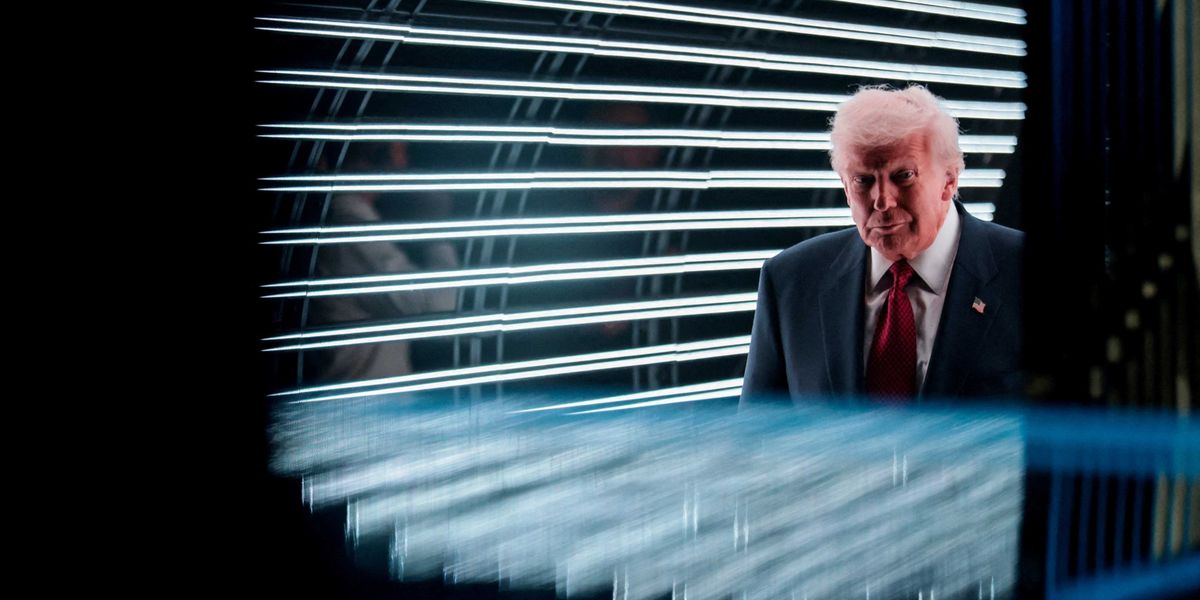 Report alleges Trump made threatening remarks toward Iranian negotiators during Fox News call amid Strait of Hormuz tensions
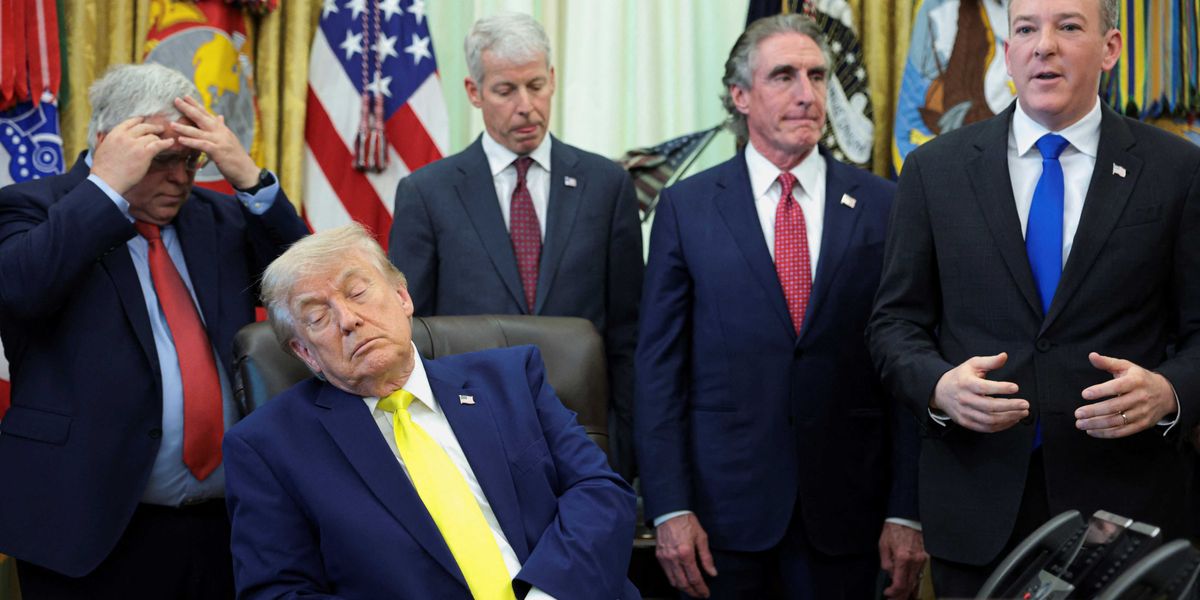 Expert Warns Lebanon Dispute Could Complicate U.S.-Iran Peace Negotiations