
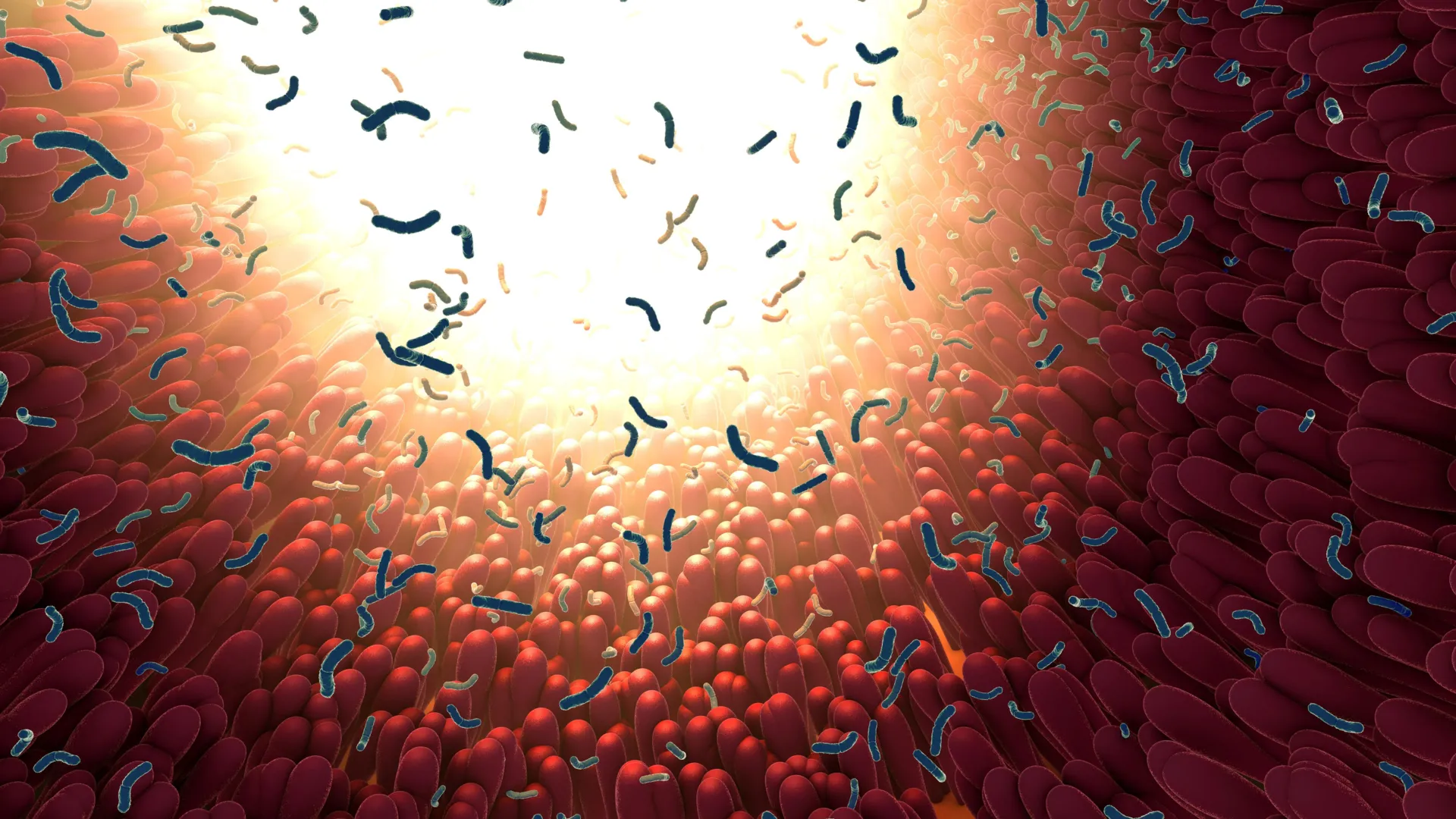
 Study Reveals Sweeteners' Impact on Gut Bacteria When Combined with Medications and Food Additives
KillBait - News highlights delivered clearly and responsibly—no clickbait, no sensationalism
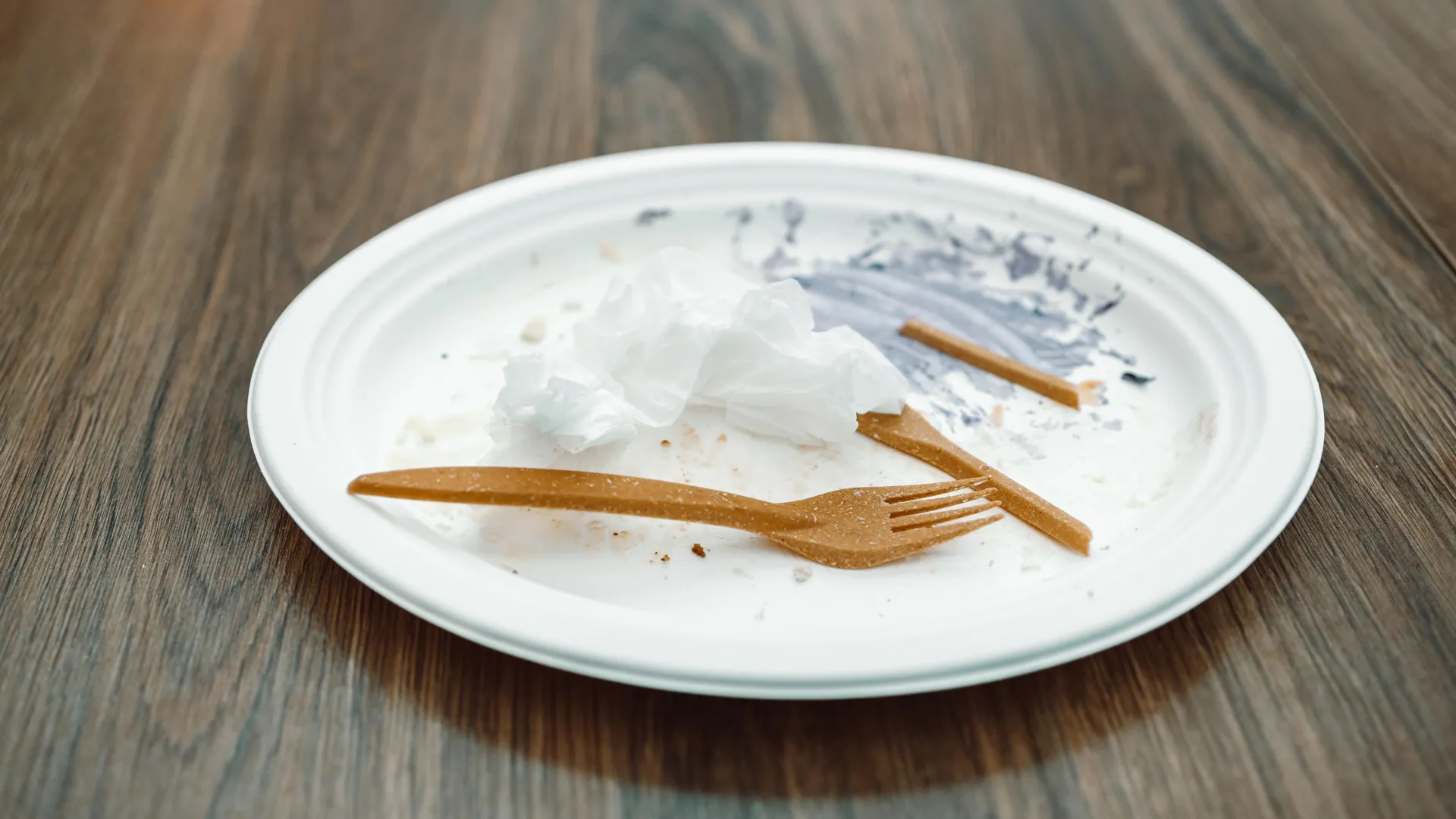
Photo: ScienceDaily
2026-07-18 13:36 Science 10


Engineered Bacteria Enable Biodegradable Plastic to Fully Decompose in Six Days
Researchers have developed a novel type of 'living plastic' that utilizes engineered bacteria to completely degrade within six days without producing microplastics.This innovation addresses the persistent issue of single-use plastic waste, which typically remains in the environment for decades.The material, based on polycaprolactone, incorporates dormant Bacillus subtilis spores that activate when exposed to nutrient broth at 122°F (50°C).Two sequential enzymes produced by the bacteria break down the polymer into its monomer components, preventing microplastic formation.A wearable device prototype demonstrated the material's functionality and biodegradability.Scientists aim to expand this technology to other plastics and develop methods for activation in water environments.The study highlights a potential paradigm shift in plastic design, integrating microbial degradation directly into the material's lifecycle.
This approach could revolutionize disposable products by eliminating long-term environmental contamination while maintaining necessary durability during use.
2187
Original title: New "living plastic" self-destructs in just 6 days without leaving microplastics
The AI system has determined that this news is clickbait/sensationalist: : The original title uses hyperbolic language ('self-destructs in just 6 days') and emphasizes the absence of microplastics as a dramatic claim, which is more sensationalist than factual. The phrase 'without leaving microplastics' frames the innovation as an extraordinary solution rather than a technical advancement. This has coincided with the opinion of the majority of users.
You may also be interested in...
Study Reveals Sweeteners' Impact on Gut Bacteria When Combined with Medications and Food Additives
 CDC Staff Cuts Hinder Cyclospora Outbreak Response
 Fruit Fly Sperm Mechanics: How They Avoid Tangling Through Opposite Movement