
 Armenia refuses Putin’s call for EU membership referendum amid rising tensions with Russia
KillBait - News highlights delivered clearly and responsibly—no clickbait, no sensationalism
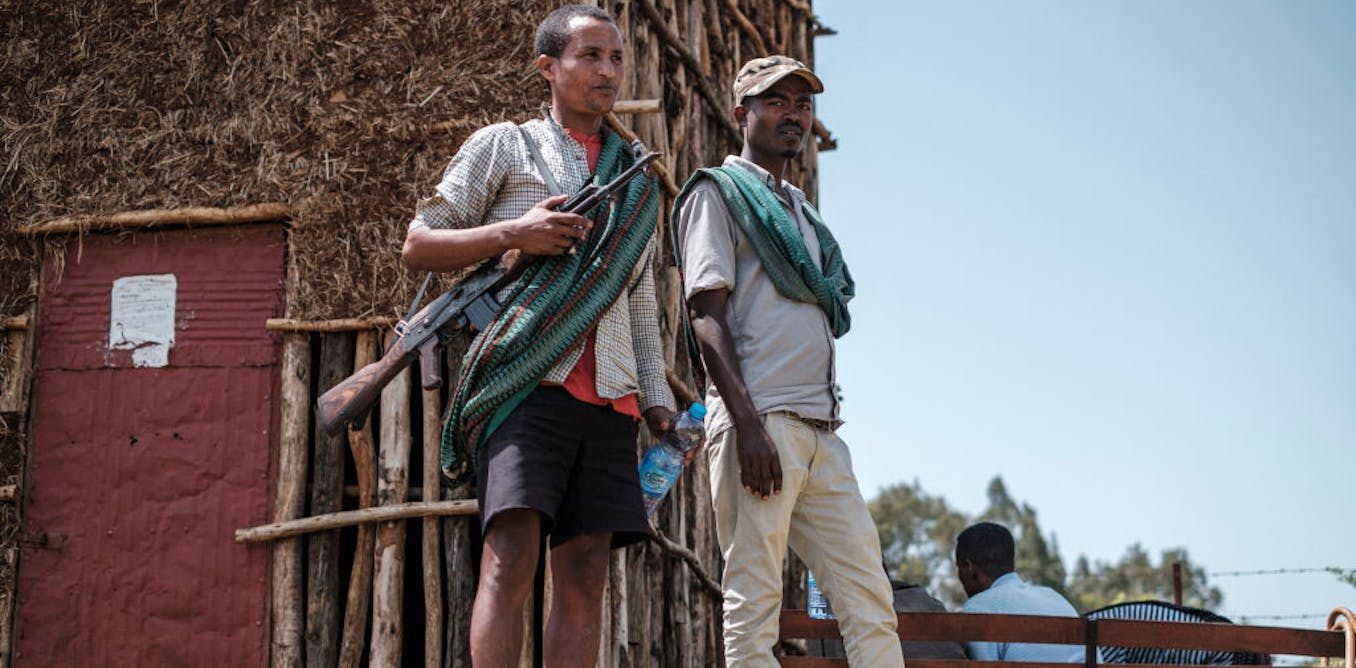
Photo: The Conversation
2026-05-28 11:00 Geopolitics 14 


Ethiopia 2026 elections: ruling party seeks legitimacy amid conflict and national fragmentation
Ethiopia’s general election scheduled for 1 June 2026 is happening at a very tense and divided period for the country, as multiple conflicts and political fragmentation continue to shape national life.
The ruling Prosperity Party, led by Prime Minister Abiy Ahmed, remains the strongest political force and controls most federal and regional institutions.
However, it faces over 45 opposition parties, though many of them operate under heavy restrictions including arrests, limited access to meetings, and financial and security challenges.
Key opposition groups like the Tigray People’s Liberation Front (TPLF) have been excluded from the election, especially after being banned by the National Election Board, which further reduces political competition and raises questions about inclusiveness.The election is taking place in a highly insecure environment.
Armed conflicts continue in regions such as Amhara, where federal forces are fighting Fano militias, and in Oromia, where clashes with the Oromo Liberation Army persist.These conflicts have displaced millions and made it difficult to organise voting in many areas.In Tigray, although large-scale war ended in 2022, political tensions and internal divisions still remain, making full participation uncertain.
Beyond security issues, Ethiopia is also facing economic stress, including high poverty levels, rising inflation, currency devaluation, and heavy public debt.These economic struggles are worsening public dissatisfaction.There are also rising regional tensions, especially with Eritrea over Red Sea access, and concerns about spillover from the Sudan conflict.Analysts say that because large parts of the country may not vote freely or safely, the legitimacy of the election could be questioned.
The federal system, meant to manage Ethiopia’s ethnic diversity, has also become a source of tension, deepening disputes over identity, territory, and political power.
International actors like the EU and US are seen as potentially important in encouraging dialogue and stability, but political will for intervention remains uncertain.
Full reading at The Conversation
2257
Original title: Ethiopia votes: dominant ruling party seeks a new mandate in a deeply fragmented nation
The AI system has determined that this news is not clickbait/sensationalist: : The original title is descriptive and neutral, clearly summarising the main topic without exaggerated or sensational language, so it is not clickbait. This has coincided with the opinion of the majority of users.
You may also be interested in...
Armenia refuses Putin’s call for EU membership referendum amid rising tensions with Russia
 Chad opposition crackdown raises concerns over shrinking democratic space
 South Africa’s Fuel Security Under Pressure Amid Iran War and Weak Strategic Oil Reserves