
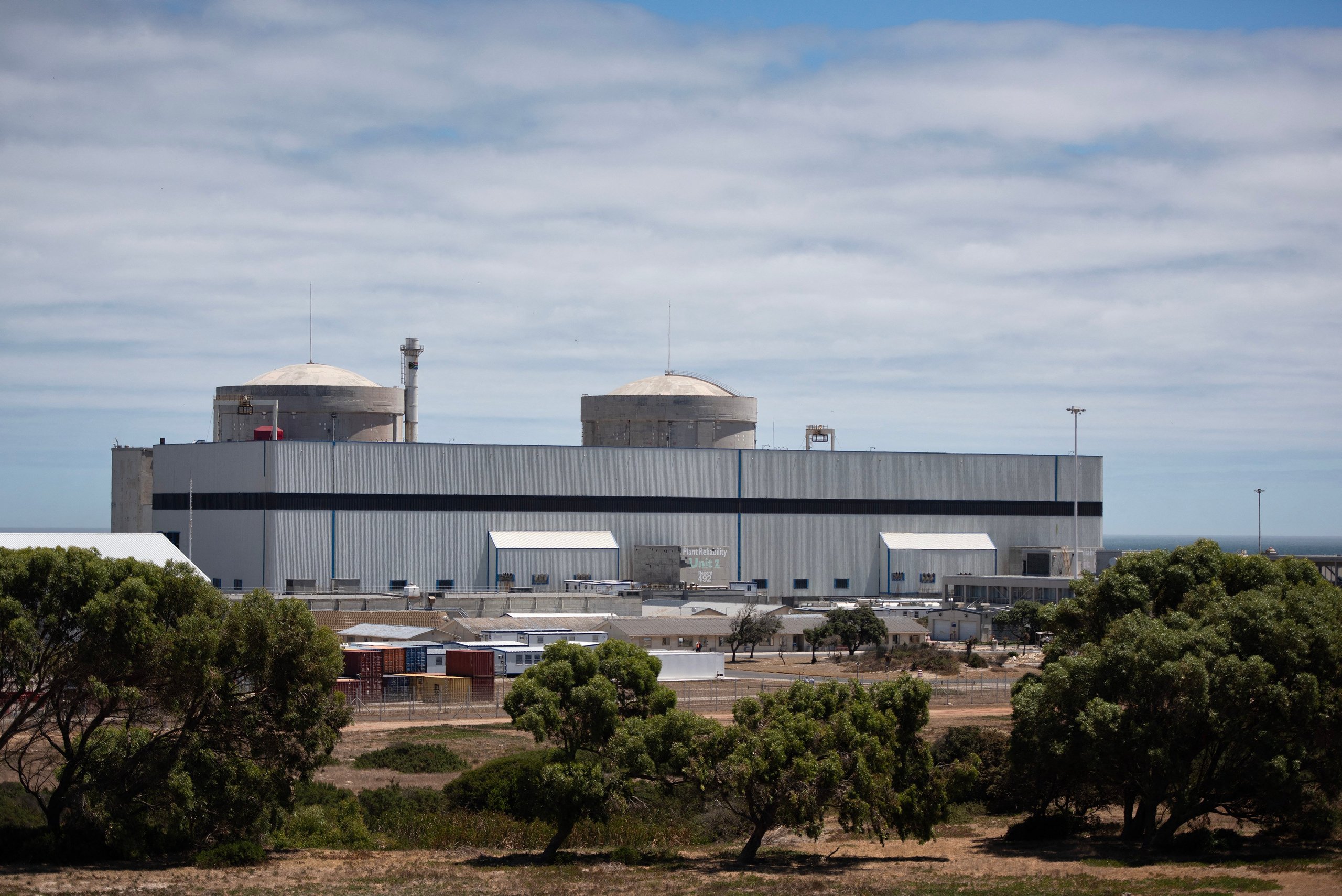
 Nuclear Powers Compete to Build Reactors in Africa for Energy and Industrialization
KillBait - News highlights delivered clearly and responsibly—no clickbait, no sensationalism
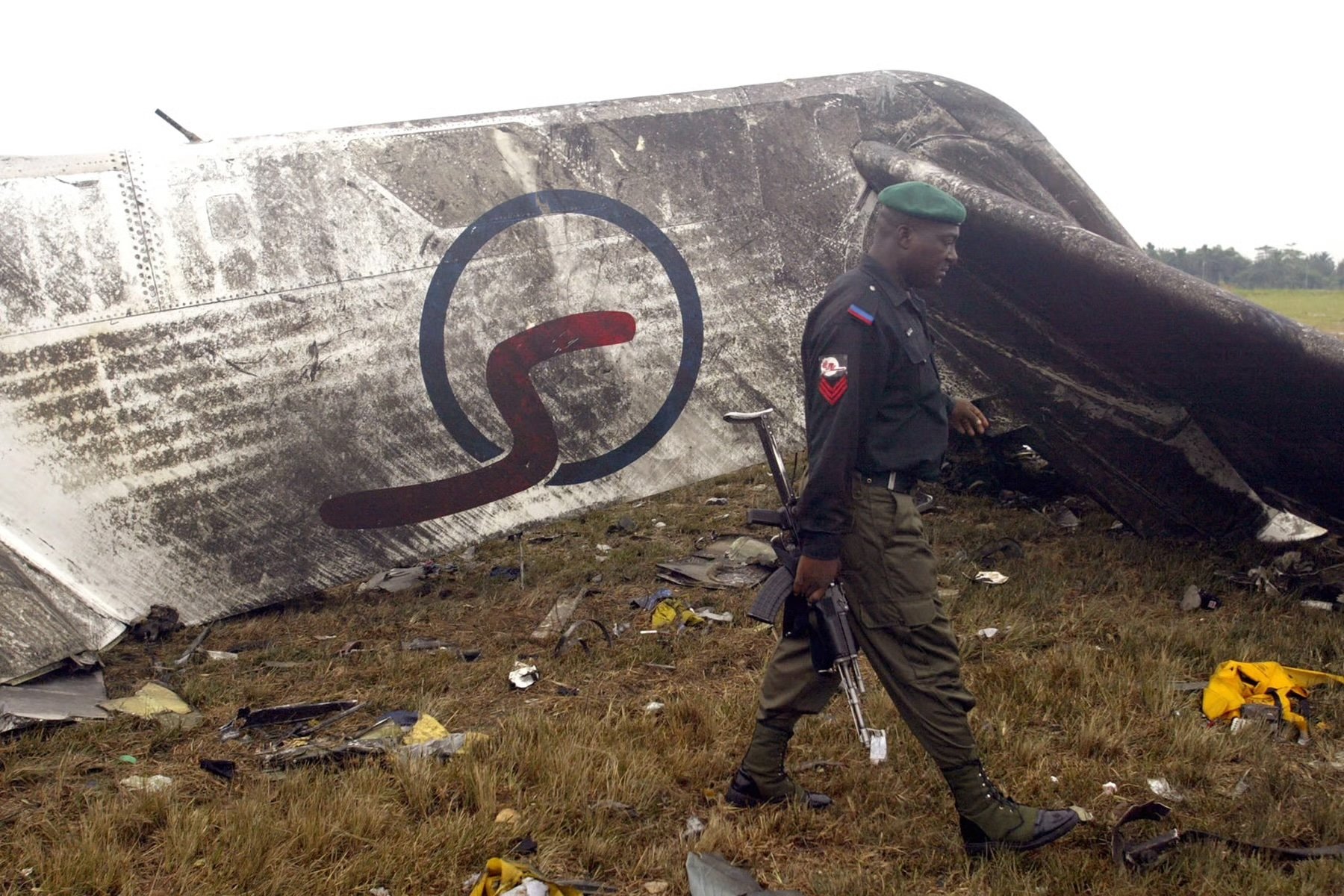
Photo: The Africa Report
2026-07-22 14:18 Geopolitics 10


EU Blacklist's 20-Year Impact on African Aviation Safety and Regulations
The European Union's airline blacklist, established in 2006, has significantly influenced African aviation over two decades.Initially created to address safety concerns following a series of air accidents that claimed 713 lives globally, the blacklist aimed to improve oversight and standards.While safety protocols have advanced, more than half of the airlines banned from European airspace remain African.The article highlights the EU's sustained pressure on African carriers, emphasizing both progress and ongoing challenges.Despite improvements, the blacklist continues to shape African aviation's trajectory, reflecting broader geopolitical and regulatory dynamics.
The piece underscores the complex interplay between international safety standards and regional aviation development, revealing how decades of EU intervention have left a lasting mark on African airlines' operations and compliance.This analysis provides insight into the long-term effects of such regulatory measures on a continent striving to meet global aviation benchmarks.
Full reading at The Africa Report
2186
Original title: EU blacklist: 20 years of pressure on African airlines
The AI system has determined that this news is clickbait/sensationalist: : The original title uses dramatic language about 'reshaping African aviation' and 'pressure,' which exaggerates the impact to attract attention. This has coincided with the opinion of the majority of users.
You may also be interested in...
Nuclear Powers Compete to Build Reactors in Africa for Energy and Industrialization
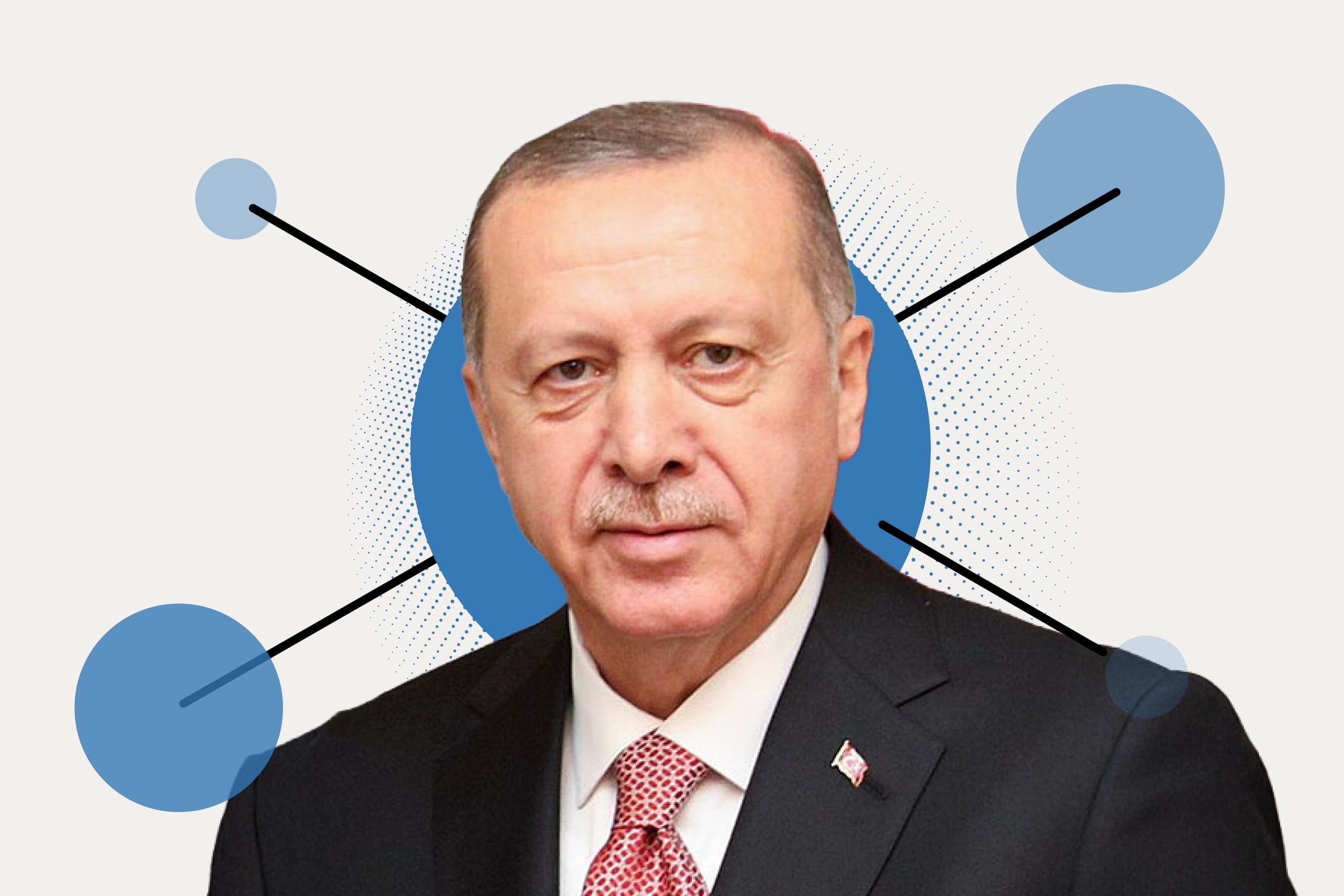 Turkiye's Growing Influence in Africa Through Strategic Alliances and Infrastructure Projects
 Fattah's Visit Promotes Tanzania-Egypt Relations and Infrastructure Projects