
 Scottish Nationalism and Historical Imperialism: A Reevaluation
KillBait - News highlights delivered clearly and responsibly—no clickbait, no sensationalism
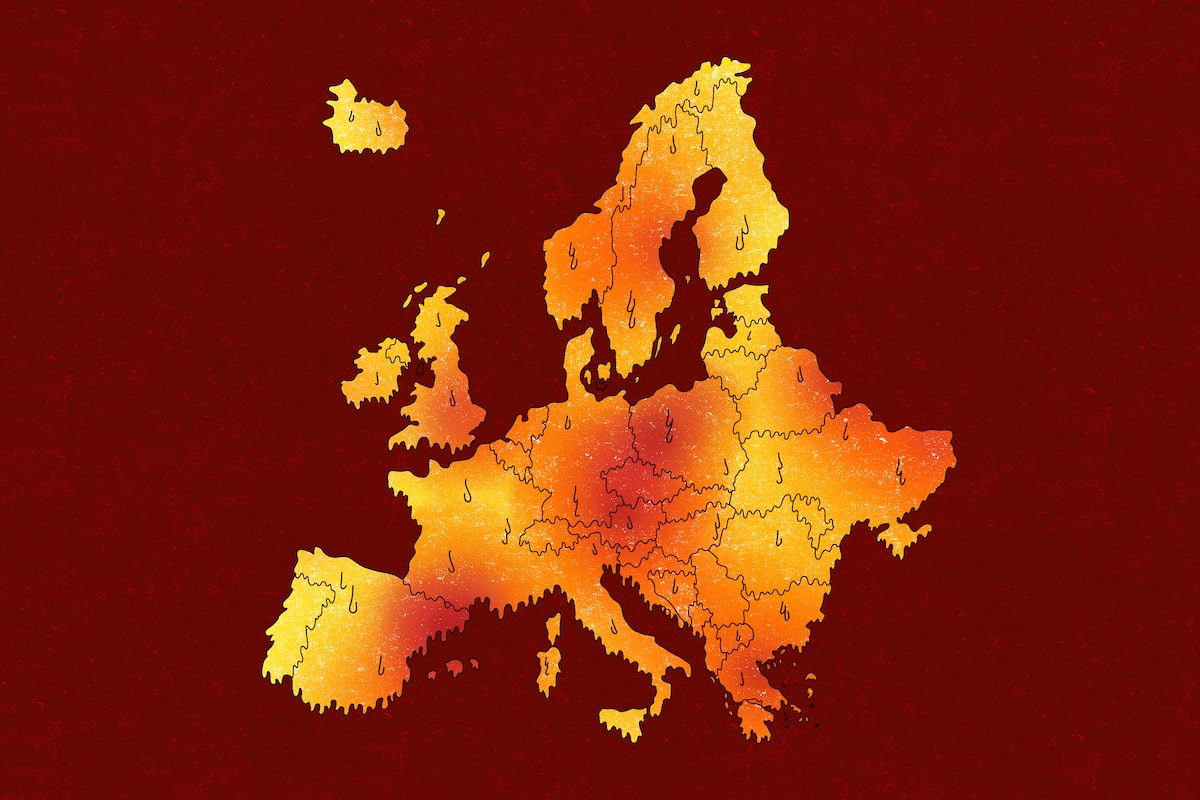
Photo: The Globe and Mail
2026-07-19 14:52 Opinion 10


Europe’s Heat Waves Are Reshaping the Debate Over Air Conditioning and Public Safety
This editorial examines how repeated and increasingly severe heat waves across France and western Europe are forcing governments and the public to reconsider the role of air conditioning as a public health necessity rather than a luxury.
Three major heat waves struck France before mid-July, contributing to tens of thousands of suspected excess deaths across Europe, unprecedented wildfires, and record-breaking temperatures.
Traditionally, much of Europe has resisted widespread air conditioning because of environmental concerns, architectural preservation, and the belief that it was largely unnecessary in temperate climates.However, the growing frequency and intensity of extreme heat are challenging these long-held views.In France, political parties are divided over the issue.
Right-wing politicians are proposing large investments to install air conditioning in schools, hospitals, and homes, while many left-wing leaders argue that improving insulation, building design, and passive cooling measures should remain the priority to reduce energy consumption and greenhouse gas emissions.
Even so, the French government has begun supporting efficient heat pumps and supplying mobile cooling units to hospitals, signalling that mechanical cooling will increasingly form part of climate adaptation strategies.
The editorial also draws comparisons with Canada, where most households already have access to air conditioning or heat pumps, although lower-income households remain less likely to do so.It highlights evidence that access to cooling saves lives during extreme heat, referencing the 2021 British Columbia heat dome.
The editorial concludes that governments in countries such as France and Canada should treat adequate cooling as an essential public health issue while balancing environmental concerns through better building standards, energy-efficient technologies, and practical adaptation policies rather than ideological debates.
Full reading at The Globe and Mail
2186
Original title: Europe’s burning question
The AI system has determined that this news is not clickbait/sensationalist: : The original title is descriptive rather than sensational. It introduces the central issue discussed in the editorial—the debate over adapting to increasingly severe heat waves in Europe—without exaggerating or misleading readers. This has coincided with the opinion of the majority of users.
You may also be interested in...
Scottish Nationalism and Historical Imperialism: A Reevaluation
 Anxiety Over Viral Fitness Moments
 Trump's Global Impact: Shifting Alliances and Energy Transition