
 Tanzania SOEs achieve record Sh1.3 trillion dividend following efficiency reforms
KillBait - News highlights delivered clearly and responsibly—no clickbait, no sensationalism
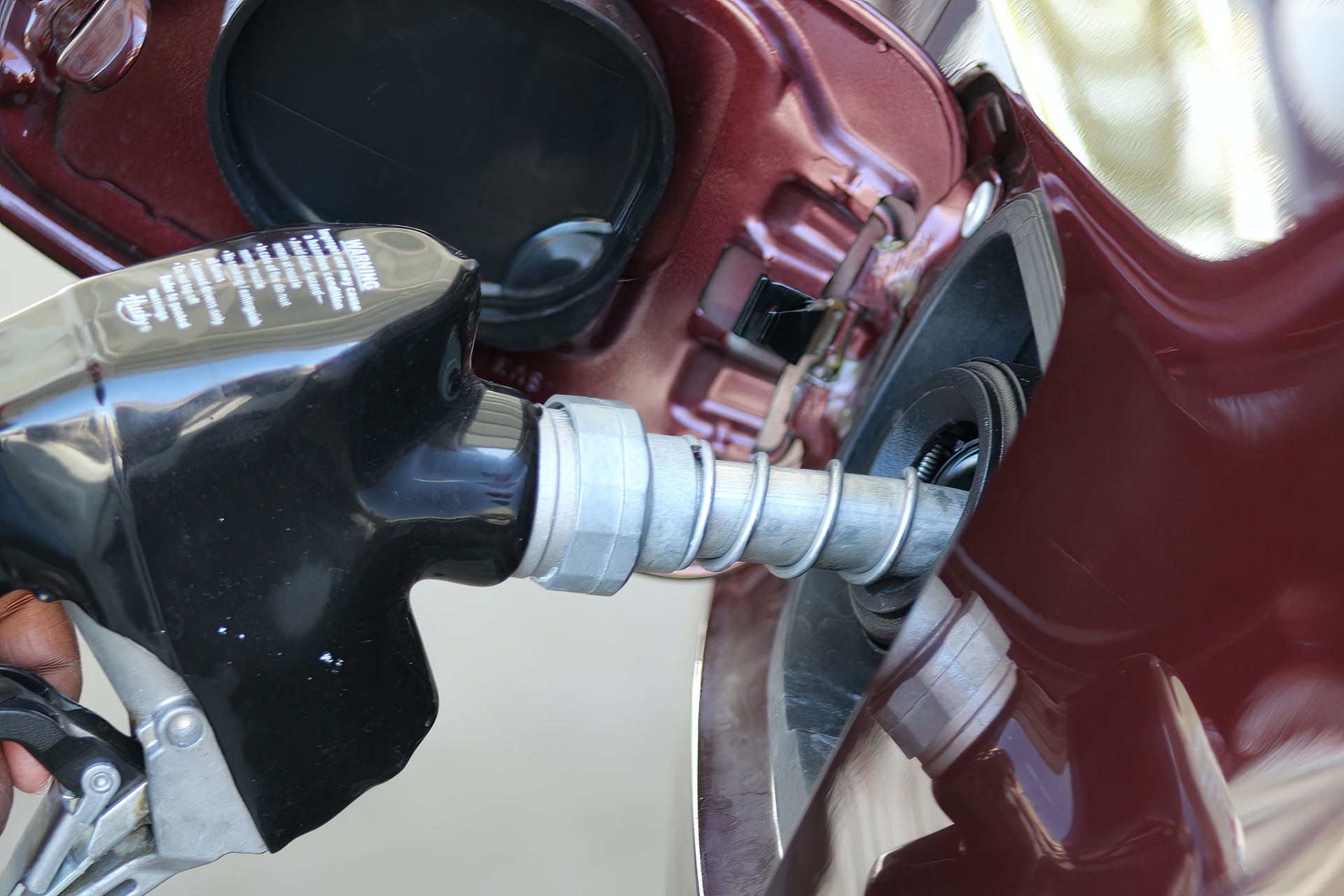
Photo: The Chanzo Inititative
2026-07-02 10:25 Economy 10 


EWURA Announces Slight Reduction in Fuel Prices Across Tanzania for July 2026
Motorists and households in Tanzania are receiving a small relief at the pump after the Energy and Water Utilities Regulatory Authority (EWURA) announced a reduction in retail fuel prices effective July 1, 2026.
This marks the first notable drop since the global fuel crisis that started earlier in the year, although prices are still much higher compared to the beginning of 2026.In Dar es Salaam, petrol has been reduced to Sh3,990 per litre, diesel to Sh4,182, and kerosene to Sh4,443.These changes represent decreases of Sh96 for petrol, Sh151 for diesel, and Sh242 for kerosene compared to June prices.
The drop in prices has been linked to improved global supply conditions following a ceasefire between the United States and Iran, which allowed the reopening of the Strait of Hormuz and eased shipping routes for crude oil transport.Brent crude prices also fell significantly from about US$112.9 per barrel in April to around US$87.3 in late May and June.Despite the relief, fuel costs remain heavily elevated compared to January 2026 levels, with petrol up by 43.6%, diesel by 53.4%, and kerosene by 60.8%.The crisis continues to affect households and businesses, especially transport operators who rely heavily on diesel.
Regional disparities also persist, with consumers outside Dar es Salaam paying more, such as Sh4,241 in Kagera (Bukoba) and up to Sh4,263 in remote districts like Kyerwa.
Tanzania’s opposition party ACT Wazalendo has raised concerns that the public is not fully benefiting from global price declines, questioning fuel import structures and subsidy effectiveness.The government, however, maintains that recent reductions align with its efforts to stabilise the market and ease pressure on citizens.
With Tanzania importing 100% of its petroleum products, and about 61% coming through the volatile Middle East route, the country remains exposed to geopolitical shocks affecting global oil supply.
Full reading at The Chanzo Inititative
2186
Original title: Tanzania Sees Modest Relief at the Pump as Fuel Prices Decline in July
The AI system has determined that this news is not clickbait/sensationalist: : The original title is straightforward and factual, clearly describing a change in fuel prices without exaggeration or emotional wording, so it is not clickbait. This has coincided with the opinion of the majority of users.
You may also be interested in...
Tanzania SOEs achieve record Sh1.3 trillion dividend following efficiency reforms
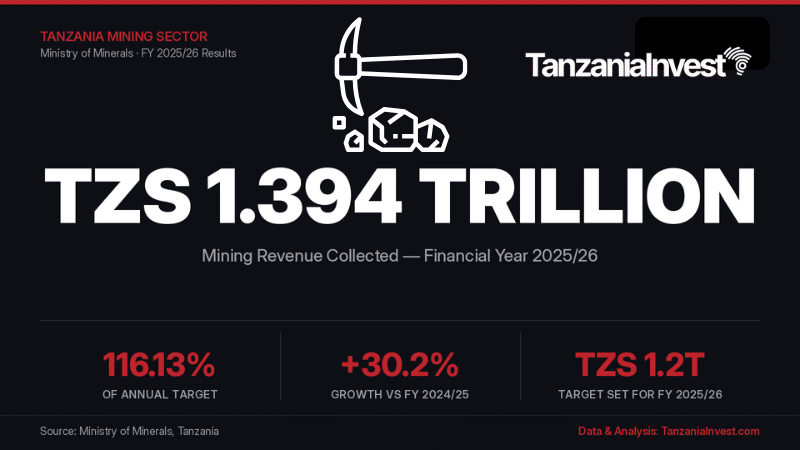 Tanzania mining revenue reaches TZS 1.39 trillion in 2025/26, surpassing government target
 Government restarts Sinza redevelopment plan following resident inclusion concerns