
 Health workers in Congo's Ebola-affected region protest unpaid wages amid outbreak surge
KillBait - News highlights delivered clearly and responsibly—no clickbait, no sensationalism

Photo: ScienceDaily
2026-07-14 17:38 Health 12


Exercise Redefines Heart Nerve Networks, Offering New Treatment Insights
A groundbreaking study published in Autonomic Neuroscience reveals that regular aerobic exercise remodels the heart's nerve network in a left-right asymmetric manner.
Researchers from the University of Bristol, in collaboration with institutions in Brazil and the UK, discovered that 10 weeks of moderate exercise significantly alters the size and density of neurons in the cardiovascular nerve clusters on the left and right sides of the body.
Rats undergoing exercise training showed four times more neurons on the right side compared to the left, with left-side neurons nearly doubling in size while right-side neurons shrank slightly.These structural changes suggest exercise creates side-specific adaptations in the heart's autonomic control system.
The findings could revolutionize treatments for arrhythmias, angina, and stress-induced 'broken-heart' syndrome by enabling more precise targeting of nerve clusters.Dr.
Augusto Coppi, lead author of the study, emphasized that understanding these left-right differences may allow personalized therapies for heart rhythm disorders.
While the research is currently limited to rat models, the implications for human medicine are significant, with plans to investigate functional impacts and validate findings in larger animals and humans using non-invasive markers.
2224
Original title: Exercise doesn't just strengthen the heart. It rewires it
The AI system has determined that this news is not clickbait/sensationalist: : The original title uses 'rewires' as a metaphor, which is somewhat sensational but not misleading. The summary provides sufficient context to clarify the scientific findings without exaggeration. This has coincided with the opinion of the majority of users.
You may also be interested in...
Health workers in Congo's Ebola-affected region protest unpaid wages amid outbreak surge
 The Science Behind Winter Fatigue and Daylight Saving Time
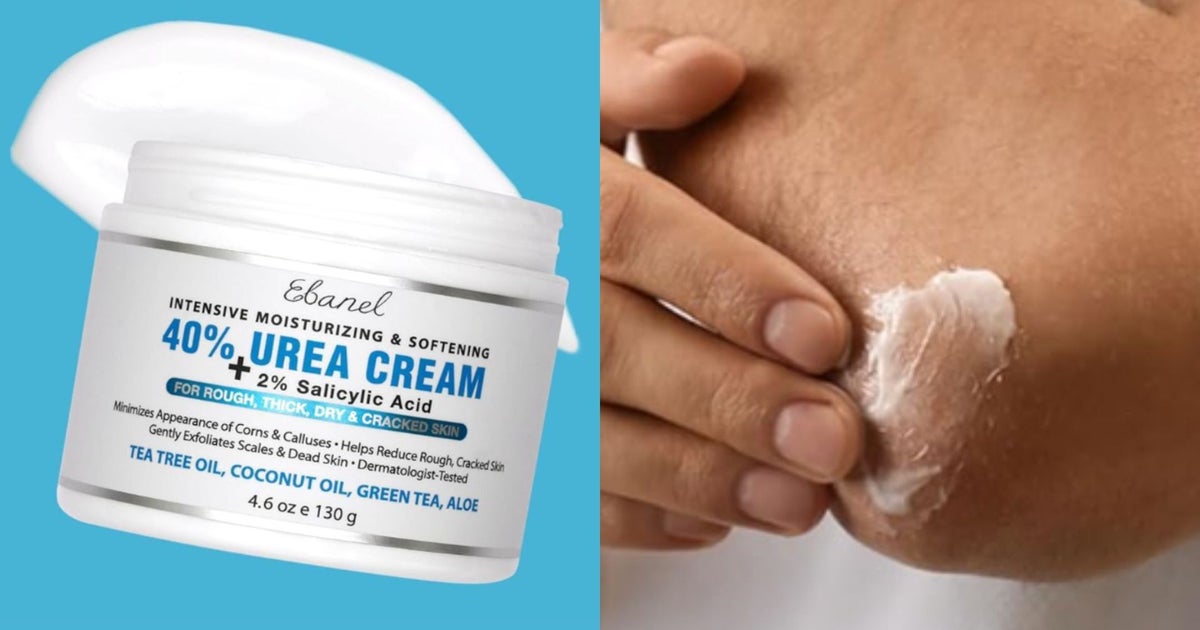 Ebanel Urea Cream: A High-Concentration Solution for Treating Rough and Cracked Skin