
 Federal Judge Questions DOJ Arguments in Lawsuit Challenging Proposed Trump Gold Coin
KillBait - News highlights delivered clearly and responsibly—no clickbait, no sensationalism
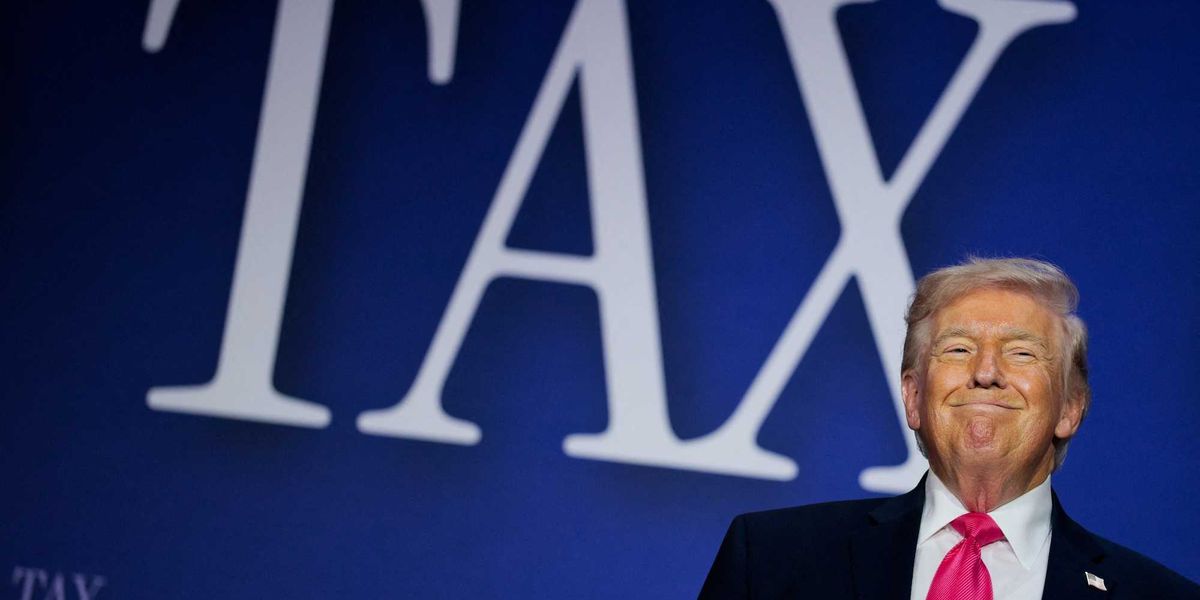
Photo: Raw Story - Celebrating 20 Years of Independent Journalism
2026-05-30 19:14 Justice 35 


Experts question durability of Trump IRS settlement granting tax protections and ending audits
According to reporting cited from The Wall Street Journal, President Donald Trump has reached an unusual agreement with the U.S.Department of Justice that effectively halts ongoing IRS audits of his tax returns, his family, and his businesses.
In exchange for dropping a $10 billion lawsuit related to the alleged leaking of his tax records in 2019, Trump reportedly secured a settlement that includes a $1.8 billion taxpayer-funded allocation to an “anti-weaponization fund.
” The fund is intended to compensate individuals who claim they were unfairly targeted by federal investigations, including some participants in the January 6 Capitol riot.However, legal and tax experts have raised serious doubts about the durability and enforceability of the agreement.
Former Justice Department tax litigator Stuart Bassin described the deal as effectively meaningless once a future administration takes office, noting that it may only restrain current government personnel.
Experts also pointed out that while federal audits may be paused or ended under the agreement, state-level tax authorities retain independent authority to investigate and audit tax matters, meaning Trump could still face scrutiny at the state level.Additionally, tax law scholars highlighted potential complications involving gift tax rules and reporting requirements.
Some argue that the structure of the settlement could be reinterpreted in the future as taxable income or taxable gifts, particularly if the IRS under a future administration revisits the transaction.
Although standard IRS audit limitations typically restrict review to three years, exceptions such as substantial underreporting or fraud could extend the window significantly, potentially allowing future investigations into older tax filings.
Overall, while the agreement currently provides significant protections for Trump and his businesses, experts emphasize that its legal durability is uncertain and could be challenged or revisited in future political and administrative contexts.
Full reading at Raw Story - Celebrating 20 Years of Independent Journalism
2446
Original title: Trump could face tax reckoning as IRS deal ‘not worth the paper it’s written on’: expert
The AI system has determined that this news is clickbait/sensationalist: : The original title uses dramatic framing such as ‘tax reckoning’ and a quoted dismissive phrase (‘not worth the paper it’s written on’), which heightens emotional impact and suggests controversy, making it more sensational than a neutral description of the legal issue. This has coincided with the opinion of the majority of users.
You may also be interested in...
Federal Judge Questions DOJ Arguments in Lawsuit Challenging Proposed Trump Gold Coin
 New lawsuit challenges Trump-era $1.8B anti-weaponization fund linked to January 6 prosecutions
 Trump claims coercion in witness testimony and seeks dismissal of New York cases