
 Attendee at political state fair uses baptismal pool for relief during extreme heatwave
KillBait - News highlights delivered clearly and responsibly—no clickbait, no sensationalism
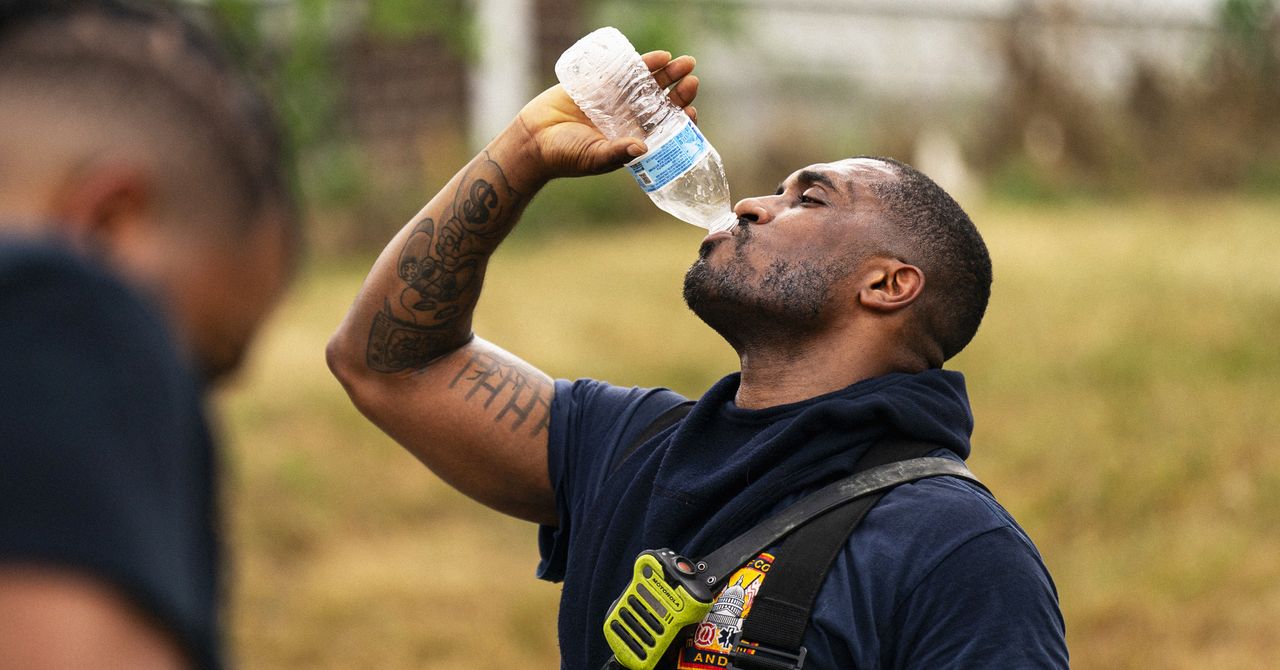
Photo: WIRED
2026-07-03 05:23 Climate change 19 


Extreme Heat Across U.S. Cities Raises Health Risks During July 4th Events and Crowds
The article examines how an extreme heat wave affecting major U.S.cities, particularly in the Northeast, is coinciding with July Fourth celebrations and large public events such as World Cup matches, increasing the risk of heat-related illnesses.
Temperatures in cities like New York are expected to reach around 100°F, with heat index values potentially between 105°F and 110°F, creating unusually dangerous conditions.
Local authorities and hospitals are activating emergency heat response plans, including opening hundreds of cooling centers in libraries, recreation centers, and other public facilities, as well as deploying cooling vans that provide water, electrolytes, medical assistance, and transportation to safer locations.
City governments are also taking additional measures such as sending alerts, offering outreach to unhoused populations, and adjusting public infrastructure like digital kiosks to direct residents to cooling sites.Businesses are encouraged to reduce indoor cooling demands by setting thermostats to around 78°F to help reduce strain on the electrical grid.
Philadelphia, which is hosting a World Cup match during this period, is also implementing heat safety strategies such as evening fan festivals, shaded areas, water stations, and medical support.
Medical experts warn that extreme heat significantly increases risks of heat exhaustion and heat stroke, particularly for vulnerable populations such as older adults, infants, and people with chronic illnesses.
Symptoms range from heavy sweating, nausea, and cramps in mild cases to confusion, unconsciousness, and dangerously high body temperatures in severe cases.Hospitals are preparing for increased emergency visits and emphasize rapid cooling techniques like evaporative cooling and cold water immersion.
Experts also highlight prevention strategies, including hydration before feeling thirsty, avoiding alcohol consumption in hot conditions, and limiting prolonged outdoor exposure during peak heat hours.The article also notes research indicating that heat-related deaths in the U.S.have increased significantly over the past two decades, underscoring the growing public health threat posed by intensifying heat waves linked to climate change.
2323
Original title: Heat Domes Are Dangerous. July Fourth Activities Will Make Things Worse
The AI system has determined that this news is not clickbait/sensationalist: : The original title is attention-grabbing but remains descriptive and grounded in the article's content. It highlights real risks associated with heat waves and holiday activities without exaggerating or making unsupported sensational claims. This has coincided with the opinion of the majority of users.
You may also be interested in...
Attendee at political state fair uses baptismal pool for relief during extreme heatwave
 Melania Trump Pushes Foster Care Legislation Through Congress Independently
 Usha Vance's Question to Trump Sparks Online Debate on His Reading Habits