
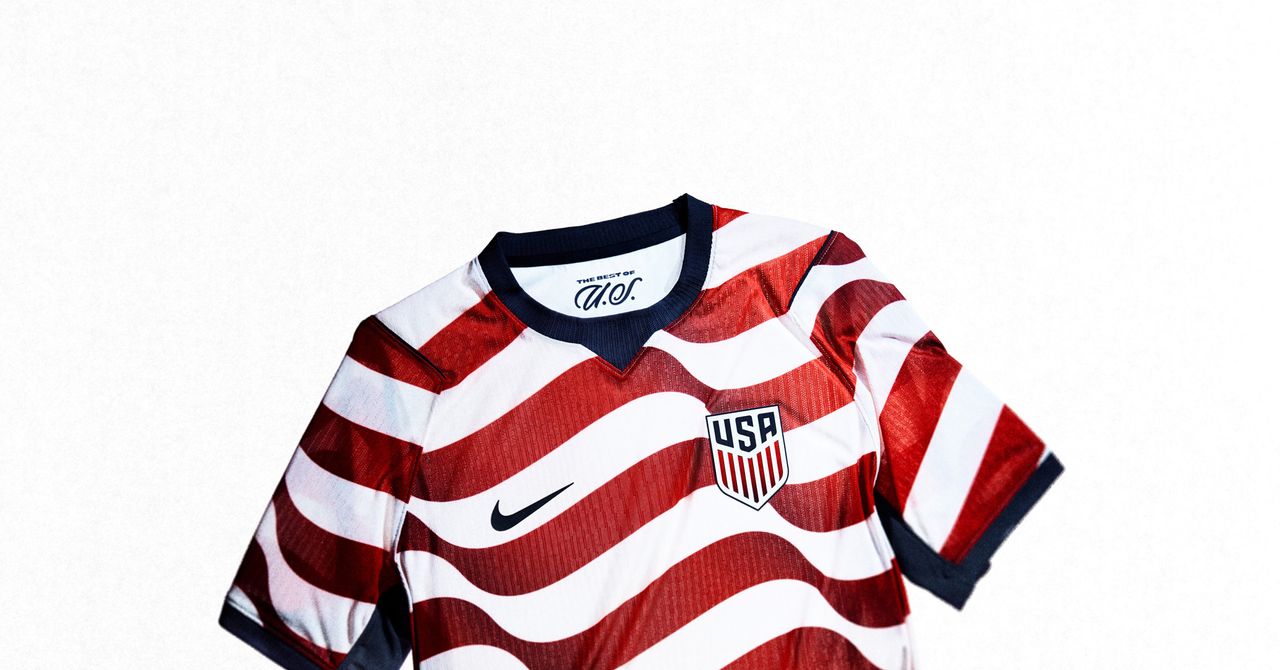
 Concerns Over Nike’s Recycled World Cup Uniforms and the Limits of Chemical Recycling
KillBait - News highlights delivered clearly and responsibly—no clickbait, no sensationalism
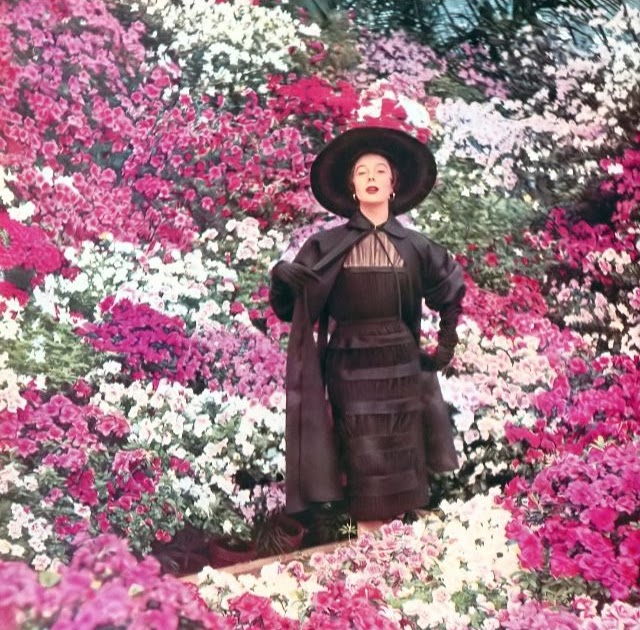
Photo: vintag.es
2026-05-25 17:32 Fashion 16 


Fashion Photography of Arik Népo in the Early 1950s
Arik Népo (1913–1961) was a highly influential fashion and portrait photographer whose work helped shape the visual identity of mid-20th century fashion imagery.
Born in Moscow, he later became active in major fashion hubs such as Paris and New York, where he developed a distinguished career spanning from the 1930s through the 1950s.
His photographs frequently appeared in leading publications like Vogue, showcasing haute couture designs from prominent fashion houses including Maggy Rouff, Lucien Lelong, Hermès, Lanvin-Castillo, Schiaparelli, and Jacques Fath.
Népo was recognized for his refined photographic style, characterized by dramatic yet elegant posing, careful composition, and a strong emphasis on texture and garment structure.
His black-and-white gelatin silver prints are especially valued today for their ability to capture both the sophistication of post-war fashion and the cultural aesthetics of the era.
He often worked with well-known models such as Bettina Graziani, Jackie Stoloff, Carmen Dell’Orefice, and others, photographing them in carefully staged environments like Parisian streets, gardens, and studios.
The featured works from the early 1950s highlight a wide range of couture pieces, including mink coats, silk dresses, velvet hats, and tailored ensembles that reflect the luxury and creativity of post-war European fashion.His images not only documented clothing but also conveyed a sense of lifestyle, elegance, and aspirational beauty that defined the period.
Through his editorial work for Vogue Paris and Harper’s Bazaar, Népo contributed significantly to the evolution of fashion photography into a sophisticated artistic discipline.
Today, his body of work is regarded as an important historical record of haute couture and continues to be appreciated for its artistic precision and timeless aesthetic.
2293
Original title: Impressive Fashion Photography by Arik Népo in the Early 1950s
The AI system has determined that this news is not clickbait/sensationalist: : The original title is straightforward and descriptive, accurately reflecting the subject of the article without sensational language or clickbait elements. This has coincided with the opinion of the majority of users.
You may also be interested in...
Concerns Over Nike’s Recycled World Cup Uniforms and the Limits of Chemical Recycling
 Karseell Collagen and Argan Oil Hair Mask Available at Discount for Frizz Control
 Jeanne Klein, 1950s Fashion Model and Muse of Mid-Century Couture Photography