
 Annual CUSMA Reviews Create Uncertainty for North American Businesses
KillBait - News highlights delivered clearly and responsibly—no clickbait, no sensationalism
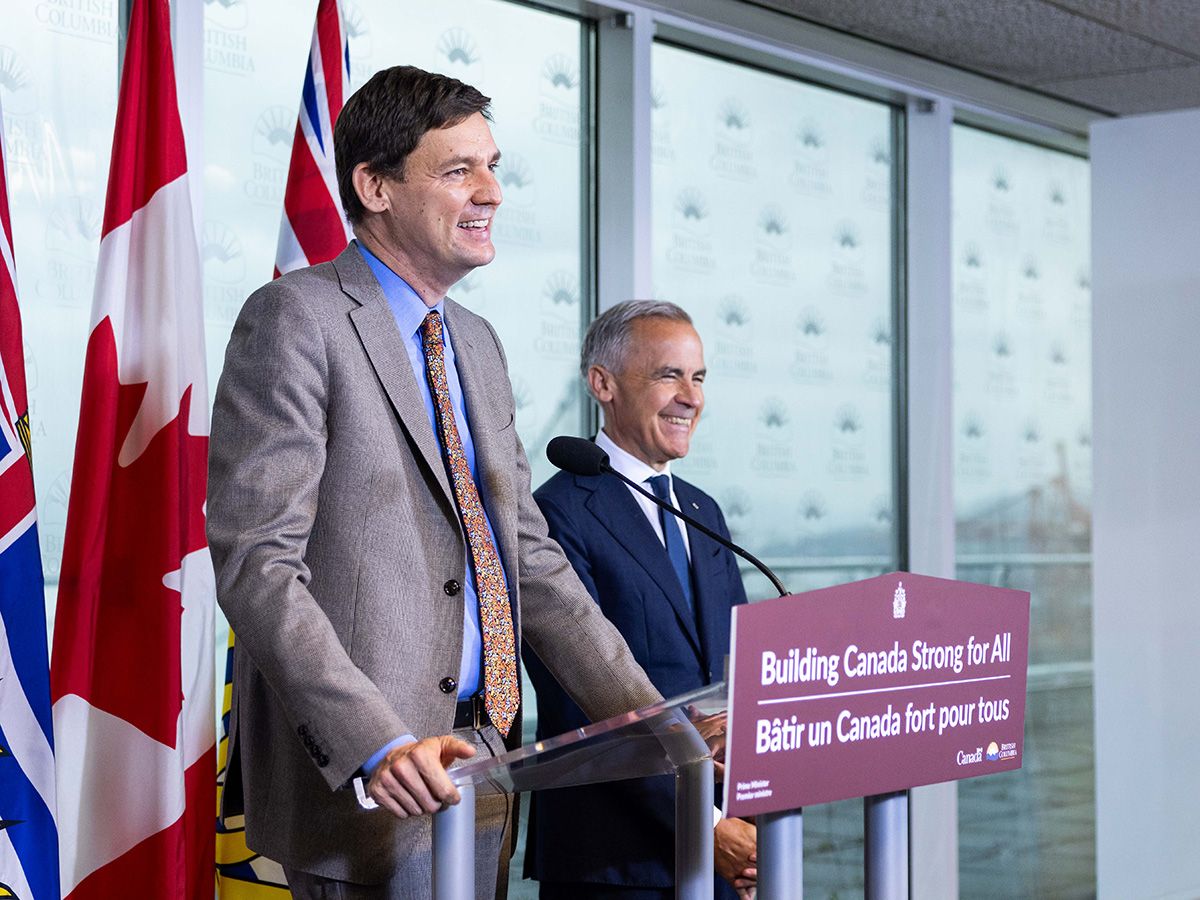
Photo: nationalpost
2026-07-13 11:30 Trade 10


Federal-Provincial Pipeline Deal Sparks Debate Over Trade Barriers and Economic Impact
The Canadian federal government has reached a deal with British Columbia (B.C.) and Alberta to construct a new crude oil pipeline from Alberta to the Pacific Coast, with B.C.receiving compensation for allowing the project to cross its territory.
The agreement includes federal investments in infrastructure projects like an eight-lane tunnel, expanded transmission lines, and LNG facilities, as well as commitments to maintain the tanker ban on the northwest coast.
Critics, including economists and constitutional experts, argue that the deal creates new trade barriers by introducing royalty payments for goods transported through provincial jurisdictions, contradicting Ottawa's stated goal of reducing interprovincial trade restrictions.
The pipeline, expected to cost between $35 billion and $44 billion, would follow a route similar to the existing Trans Mountain pipeline, ending at Roberts Bank terminal in B.C.
While proponents highlight economic benefits like job creation and energy exports, opponents warn that such compensation models could set a precedent for other provinces demanding fees for goods passing through their regions, potentially harming national trade efficiency.The project faces environmental scrutiny and requires federal approval, with concerns about its impact on ecosystems and climate goals.
This deal underscores tensions between federal authority over interprovincial infrastructure and provincial demands for economic concessions, raising questions about the future of Canadian federalism and trade policy.
2186
Original title: Letting B.C. charge tolls on new Alberta pipeline is trade barriers ‘on steroids,’ say critics
The AI system has determined that this news is clickbait/sensationalist: : The original title uses hyperbolic language ('Warn of Trade Barriers') to sensationalize the deal, implying immediate negative consequences rather than presenting a balanced view of economic and political complexities. This has coincided with the opinion of the majority of users.
You may also be interested in...
Annual CUSMA Reviews Create Uncertainty for North American Businesses
 Alberta Referendum: Carney Urges Albertans to Support Provincial Leadership Over Exit
 Prime Minister Carney Promotes Pipeline Development Amid Alberta Energy Discussions