
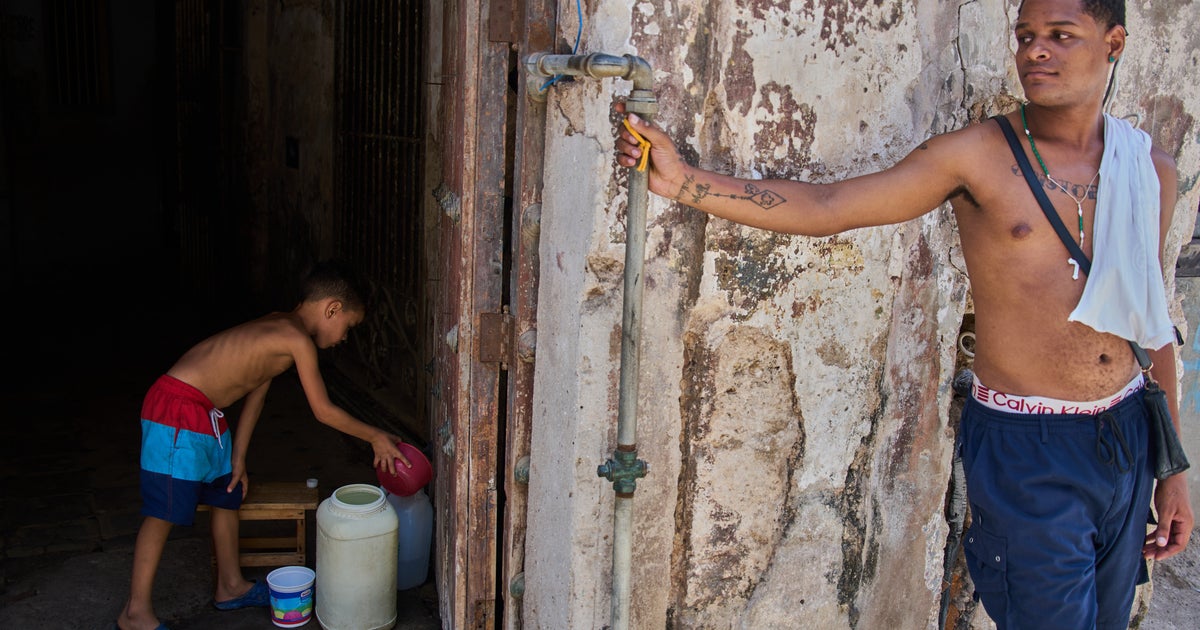
 Cuba Faces Ongoing Power Crisis Amid Fuel Shortages and U.S. Embargo
KillBait - News highlights delivered clearly and responsibly—no clickbait, no sensationalism
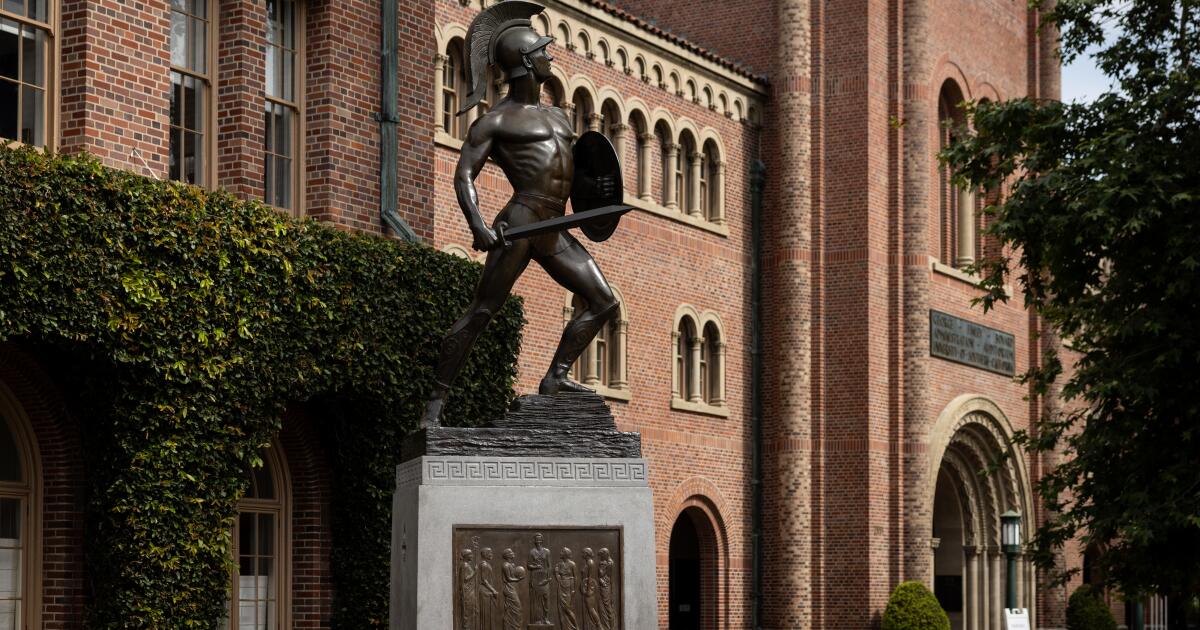
Photo: Los Angeles Times
2026-07-17 17:09 Current affairs 10


Federal Rule Limits Foreign Student Visas to Four Years, Impacting California Campuses
A new federal rule limits most international student stays in the U.S.to four years, ending the previous policy that allowed students to remain for the duration of their degree.
This change, effective this fall, requires students to apply for visa extensions with rigorous checks, including biometric screening and background verification.
The policy also halves the post-graduation grace period to 30 days and restricts Optional Practical Training (OPT) work authorization, which previously allowed science, tech, engineering, and math graduates to work for up to three years.California, home to the largest international student population in the U.S.
, faces significant disruption, with universities like UC, USC, and Cal State expressing concerns over the impact on research, education, and global ties.
The rule, part of broader Trump-era immigration restrictions, aims to address perceived abuses of the visa system but has raised alarms about potential declines in international enrollment and increased uncertainty for students.Advocates warn of a processing backlog exceeding 11 million cases, which could exacerbate challenges for students seeking extensions or work permits.
The policy marks a shift from the 1978 'duration of status' policy, which allowed indefinite stays, and reflects heightened scrutiny of foreign students' immigration status.
Full reading at Los Angeles Times
2187
Original title: New rule caps foreign student visas at four years, jolting California campuses
The AI system has determined that this news is not clickbait/sensationalist: : The original title uses 'jolting' to emphasize disruption, but it remains factual without sensationalism. This has coincided with the opinion of the majority of users.
You may also be interested in...
Cuba Faces Ongoing Power Crisis Amid Fuel Shortages and U.S. Embargo
 U.S. Imposes 21-Day Quarantine on Congo Citizens Due to Ebola Outbreak
 Strategies for Securing Pre-Seed Funding Without a Product: Insights from Disrupt 2026 Panel