
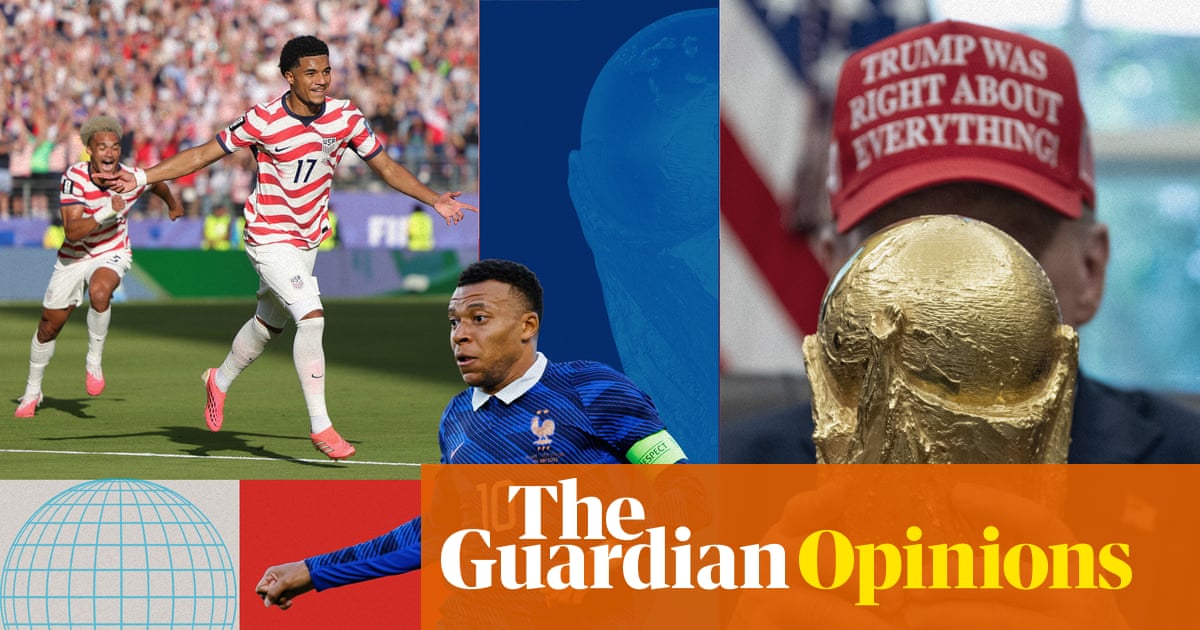
 Analysis of Donald Trump’s absence from the 2026 World Cup and its political implications
KillBait - News highlights delivered clearly and responsibly—no clickbait, no sensationalism
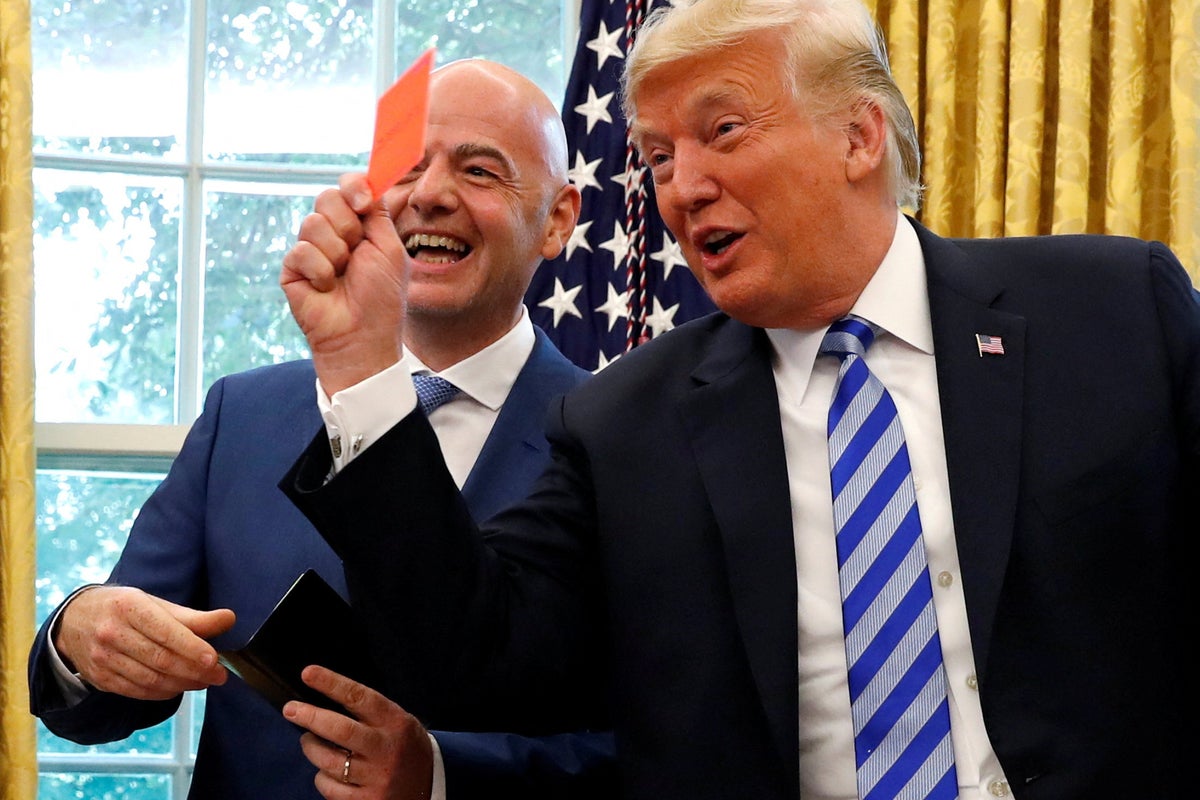
Photo: The Independent
2026-07-06 00:36 Opinion 14


FIFA faces criticism after suspending Folarin Balogun's World Cup ban ahead of Belgium match
The article argues that FIFA's decision to suspend Folarin Balogun's one-match suspension ahead of the United States' World Cup last-16 fixture against Belgium has raised serious concerns about sporting integrity and consistency in the tournament.
Balogun had been sent off against Bosnia and Herzegovina and was initially ruled out of the Belgium match, with FIFA confirming there was no formal appeals process available.
However, less than two days before kick-off, FIFA invoked Article 27 of its Disciplinary Code, allowing the implementation of the suspension to be postponed, effectively making the striker eligible to play while placing him under a probationary period.
The decision has been welcomed by the United States but strongly criticised by Belgium, whose football association described it as astonishing and questioned whether it conflicts with the tournament regulations.
The article also highlights comments from US Secretary of State Marco Rubio, who had criticised the original red card and the absence of an appeals process, as well as a social media post from US President Donald Trump thanking FIFA for correcting what he described as an injustice.
The commentary suggests that Trump's close relationship with FIFA president Gianni Infantino may fuel further scrutiny, although no evidence is presented that political influence affected the ruling.
The article recalls a similar controversy involving Cristiano Ronaldo, whose suspension before the tournament was also partially suspended, arguing that FIFA has failed to learn from previous criticism.
It concludes that the episode risks undermining confidence in FIFA's governance, creates uncertainty over the consistent application of disciplinary rules, and may damage perceptions of fairness during one of football's biggest competitions.
Full reading at The Independent
2257
Original title: Trump finally arrives at World Cup – but Balogun decision shows Fifa hasn’t learned its lesson
The AI system has determined that this news is clickbait/sensationalist: : The title is somewhat sensationalist because it links Donald Trump to the story despite the main focus being FIFA's disciplinary decision regarding Folarin Balogun. It also uses emotionally charged wording ('hasn't learned its lesson') to encourage readers to click. This has coincided with the opinion of the majority of users.
You may also be interested in...
Analysis of Donald Trump’s absence from the 2026 World Cup and its political implications
 Government Reforms to ISAs Pose Challenges for First-Time Homebuyers
 Panel Show 'Unacceptable' Criticized for Unnecessary and Controversial Content