
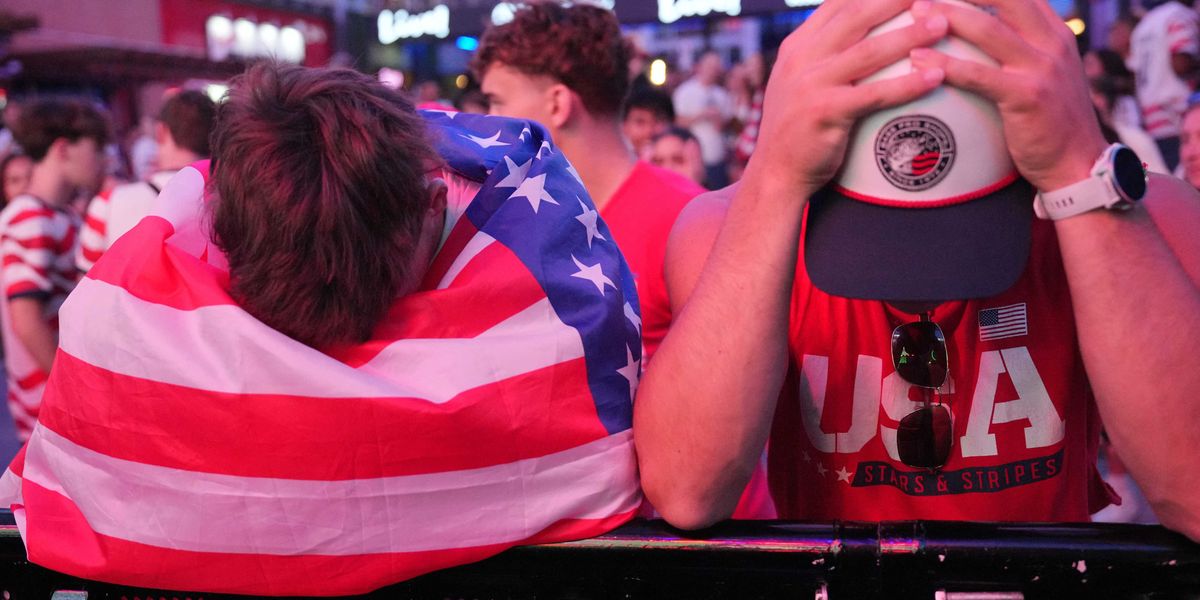
 Belgian Football Team Mocks Trump in Locker Room Celebration After Victory Over U.S.
KillBait - News highlights delivered clearly and responsibly—no clickbait, no sensationalism

Photo: Al Jazeera
2026-07-07 20:37 Sports 10


FIFA overturns red card suspension for Folarin Balogun amid political controversy
FIFA's decision to suspend the red card for Folarin Balogun following a controversial incident during the 2026 World Cup has ignited widespread debate.The incident occurred after a high-speed collision between Balogun and an opponent, which referees initially deemed a foul.Trump's intervention, citing his belief that the play was not a foul, led FIFA to review the decision.
The governing body cited Article 27 of its Disciplinary Code to suspend the automatic one-match ban, but critics argue this violates its own rules, particularly Article 66.4, which mandates automatic suspension for red cards.
The Belgian Football Association (RBFA) has condemned FIFA's handling of the case, claiming the organization failed to provide explanations for its decision and omitted key regulations during match coordination.
This controversy highlights the growing tension between political influence and sports governance, raising questions about the integrity of football's decision-making processes.
Coaches and pundits have expressed concern over the precedent set by allowing political figures to override refereeing decisions, potentially undermining the sport's fairness and transparency.
The incident underscores the complex interplay between sports, politics, and international governance, with far-reaching implications for the future of football's regulatory framework.
2186
Original title: Why FIFA’s Balogun red card suspension after Trump call is so controversial
The AI system has determined that this news is clickbait/sensationalist: : The original title uses hyperbolic language like 'controversial' and 'sparks global debate' to sensationalize the event, which is already inherently contentious. This framing prioritizes drama over factual reporting, typical of clickbait tactics. This has coincided with the opinion of the majority of users.
You may also be interested in...
Belgian Football Team Mocks Trump in Locker Room Celebration After Victory Over U.S.
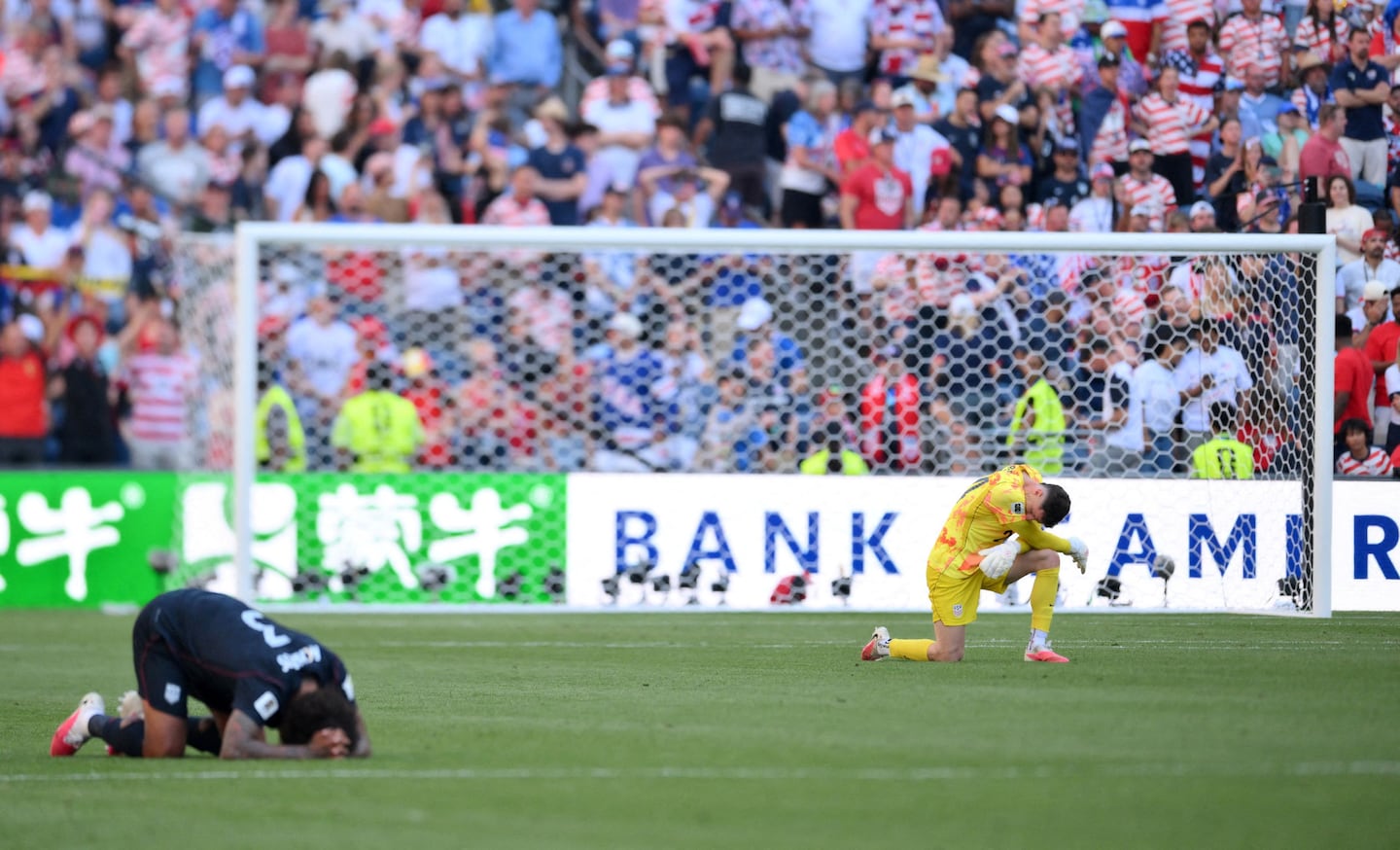 U.S. Goalkeeper's World Cup Ends in Heartbreaking Loss
 World Cup Round-of-32 Highlights: Norway Defeats Brazil, England Faces Mexico in High-Stakes Match