
 Rising Bow River levels cause flooding in Banff region
KillBait - News highlights delivered clearly and responsibly—no clickbait, no sensationalism
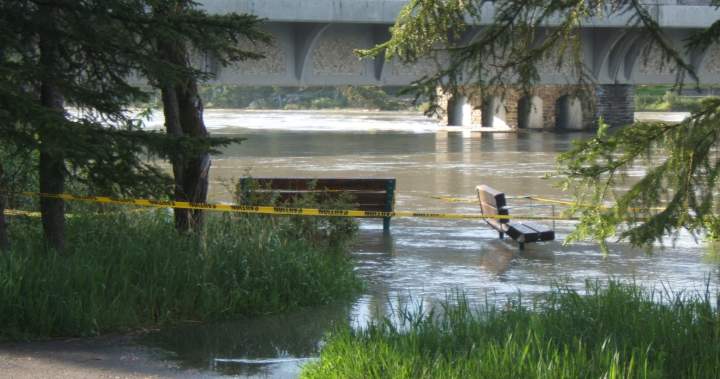
Photo: Global News
2026-05-29 09:23 Environment 10 


Flood watch issued for Banff National Park as snowmelt raises river levels
Authorities have issued a flood watch and high streamflow advisories for parts of Banff National Park in Alberta due to rapid snowmelt driving rising river levels.
The advisories affect the Pipestone River flowing through the Lake Louise area and into the Bow River, as well as sections of the Bow River near the community of Lake Louise.
Officials have reported that low-lying trails and picnic areas near the Lake Louise Visitors Centre are already experiencing impacts from the rising waters.Areas around the Post Hotel may also be at risk as water levels continue to increase.
A broader high streamflow advisory has also been issued for the Bow River, extending from upstream of the town of Banff, through the town itself, and downstream toward the Ghost Reservoir, approximately 60 kilometres west of Calgary.Increased debris has been observed in the river, raising additional safety concerns for residents and visitors.
Local authorities are urging the public to avoid riverbanks, waterways, and any flooded or low-lying areas, warning that fast-moving and muddy water may conceal hazards such as sinkholes or exposed infrastructure.Water levels in the Bow River are expected to rise by approximately 30 centimetres through Friday.
The situation is being driven by unseasonably warm temperatures, with daytime highs around 25°C in Banff and Lake Louise, roughly 10 degrees above seasonal norms.
Although temperatures are expected to cool into the mid-teens by the weekend, they will be accompanied by several days of rain, which may further influence river conditions and prolong elevated water levels in the region.
2191
Original title: Flood watch, high streamflow advisories issued in Banff National Park
The AI system has determined that this news is not clickbait/sensationalist: : The original title is factual and clearly describes the situation without sensational language or exaggeration, so it is not clickbait. This has coincided with the opinion of the majority of users.
You may also be interested in...
Rising Bow River levels cause flooding in Banff region
 Saskatoon riverboat halts cruises amid low river levels and questions water management decisions
 British Columbia man sets two Guinness World Records for tree planting in 24 hours