
 Red Blood Cell Parameters Show Potential in Differentiating Parkinsonian Syndromes
KillBait - News highlights delivered clearly and responsibly—no clickbait, no sensationalism
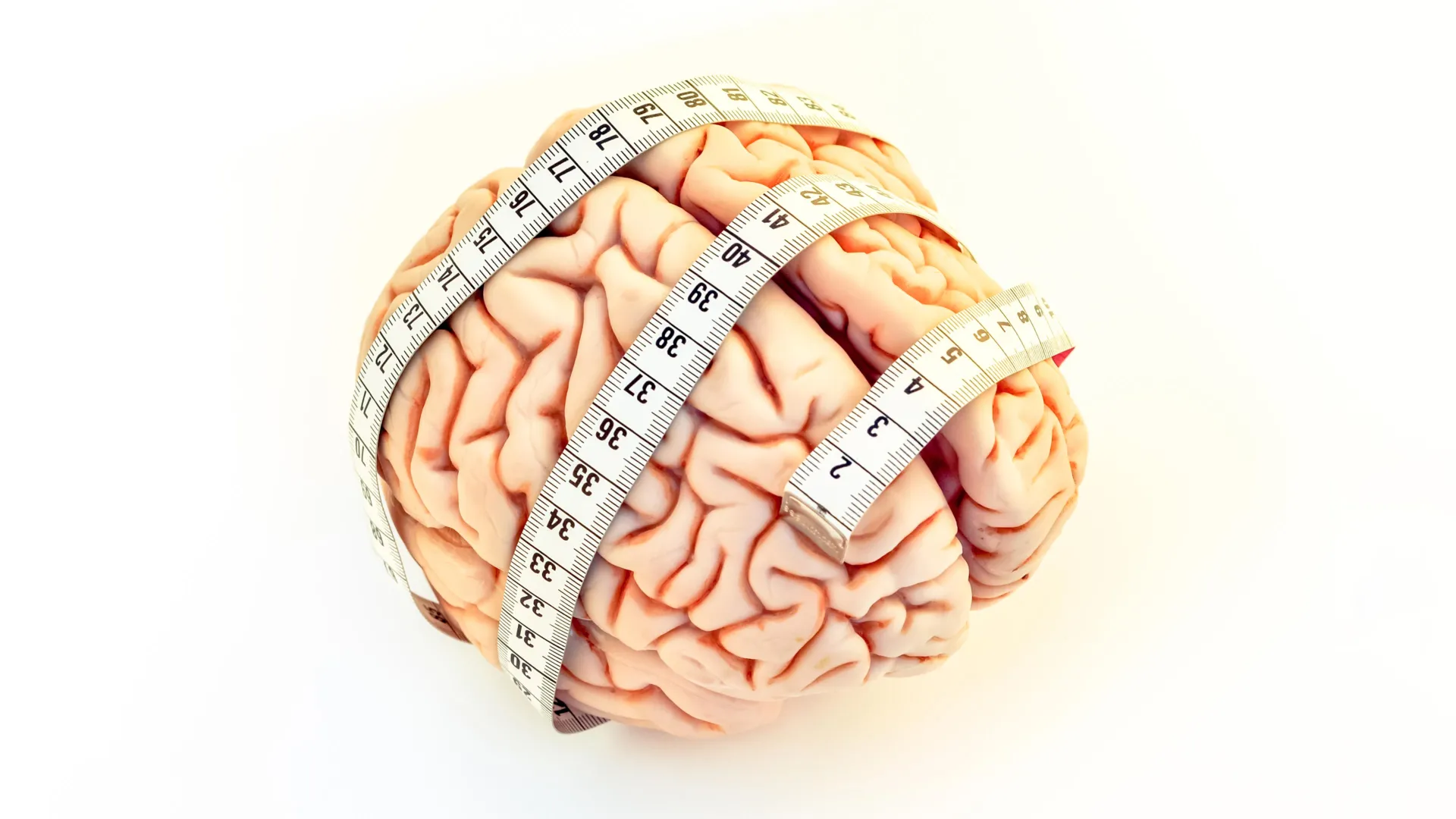
Photo: ScienceDaily
2026-07-22 09:07 Neuroscience 10


Frequent TV Viewing in Midlife Linked to Brain Structural Changes
A study published in *Alzheimer's* journal reveals that excessive television consumption during midlife is associated with measurable changes in brain structure.
Researchers analyzed data from 1,700 participants over a 20-year period, finding that individuals who watched more than three hours of TV daily experienced reduced gray matter volume in regions critical for memory and executive function.
The study, conducted using data from the ARIC study, also noted that mentally engaging sedentary activities—such as reading or puzzles—did not produce similar negative effects.
Key findings include: 1) Frequent TV viewers showed 12% less hippocampal volume compared to peers with lower viewing habits; 2) White matter integrity in the prefrontal cortex declined by 8% in heavy viewers; 3) The risk of cognitive decline increased by 25% for those exceeding 4 hours of daily TV.While the study does not establish causation, it highlights a correlation between passive screen time and neurodegenerative markers.Experts caution that the results should not discourage TV entirely but emphasize the importance of active leisure activities.The research underscores the need for further longitudinal studies to determine if these structural changes precede or result from cognitive decline.
2186
Original title: Watching too much TV in midlife may shrink the brain
The AI system has determined that this news is clickbait/sensationalist: : The original title uses hyperbolic language ('shrink the brain') to sensationalize a study showing correlation, not causation. The phrase 'may shrink' implies direct causation, which the article clarifies is not definitively proven. This has coincided with the opinion of the majority of users.
You may also be interested in...
Red Blood Cell Parameters Show Potential in Differentiating Parkinsonian Syndromes
 Prenatal Estrogen and Finger Lengths May Link to Human Brain Evolution
 Scientists Discover Brain Cell Structure That May Help Combat Alzheimer's