
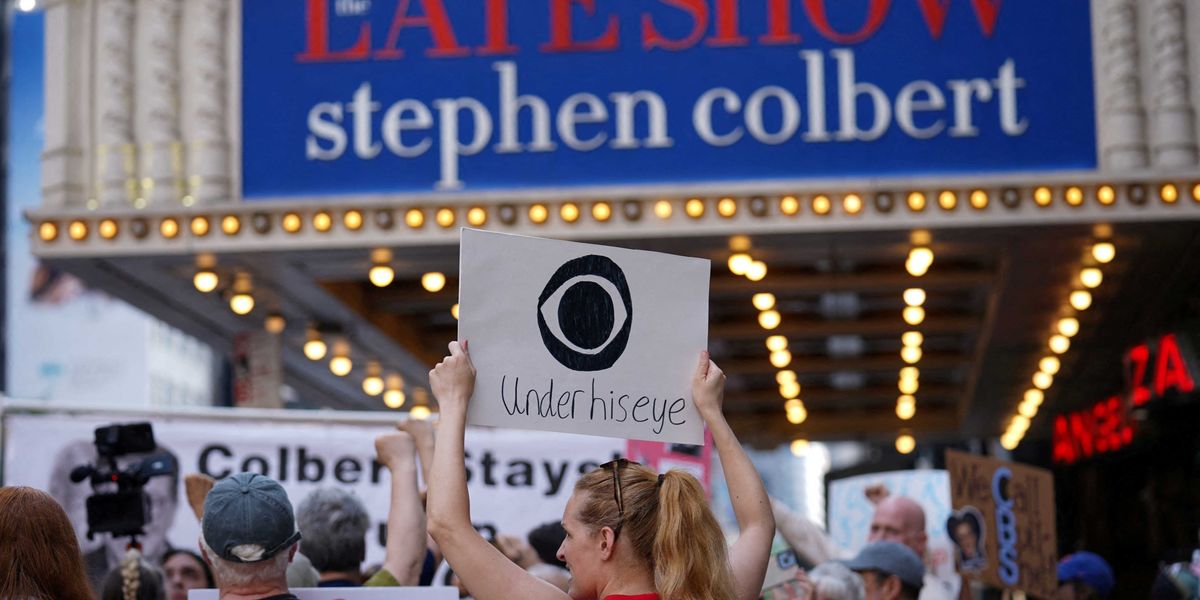
 Ratings Drop Sharply as CBS Replaces Stephen Colbert with Byron Allen Show
KillBait - News highlights delivered clearly and responsibly—no clickbait, no sensationalism
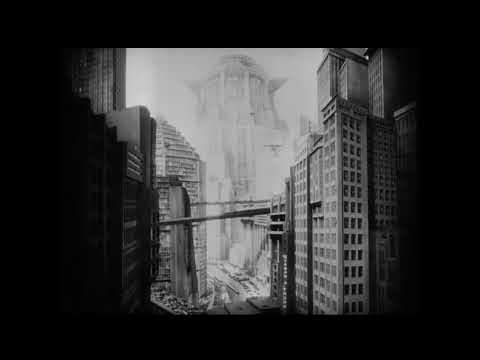
Photo: vintag.es
2026-05-22 16:49 Cinema 37 


Fritz Lang’s Vision of 2026 in Metropolis: A Century-Old Sci-Fi Prediction of Urban Life
In Fritz Lang’s 1927 cinematic masterpiece Metropolis, the year 2026 is depicted as a highly structured, futuristic city where architecture mirrors social hierarchy.
Lang envisioned a towering metropolis where the elite, referred to as the 'Head,' reside in skyscrapers filled with pleasure gardens, lecture halls, and stadiums, while the working class, or 'Hands,' labor in vast underground machine halls.
Inspired by Lang’s visit to New York City in 1924, the film’s architecture merges Art Deco elegance, Italian Futurist industrial energy, and Gothic shadows, creating a city that is both dazzling and oppressive.
Multi-level skyways, bridges, and buzzing aircraft indicate a congested, interconnected urban landscape, where neon lights and floodlit buildings transform the skyline into a hypnotic spectacle.Lang’s vertical design symbolizes control rather than a solution to urban planning, emphasizing the stark division between social classes.
Today, Metropolis remains influential, recognized as a cinematic classic, earning critical acclaim and inclusion on UNESCO’s Memory of the World Register in 2001.
Its vision of inequality, technological dominance, and urban spectacle continues to resonate nearly a century later, highlighting the ongoing relevance of its social commentary.
2459
Original title: A City of 2026 Imagined in the Sci-Fi Classic “Metropolis” (1927), Directed by Fritz Lang
The AI system has determined that this news is not clickbait/sensationalist: : The original title accurately reflects the article’s content, describing both the film and its 2026 setting, without exaggeration or sensationalism. This has coincided with the opinion of the majority of users.
Comments :
You may also be interested in...
Ratings Drop Sharply as CBS Replaces Stephen Colbert with Byron Allen Show
 Curated List of Recommended Movies to Stream Across Major Platforms This Month
 Diane Cilento, Australian Actress Known for Film, Theatre, and Independent Spirit
#1 numbers
Crazy how Lang nailed urban inequality nearly 100 years ago. Makes you think about who really controls our cities today.