
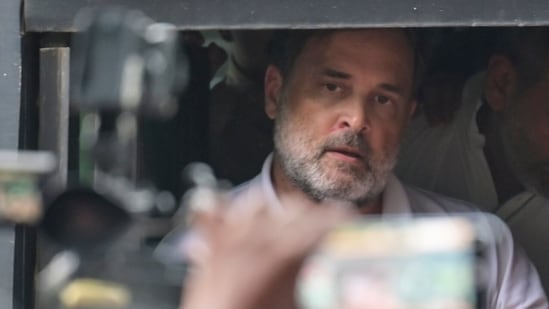
 Rahul's Protest Sparks AAP Jibe, CJP Focuses on Jantar Mantar
KillBait - News highlights delivered clearly and responsibly—no clickbait, no sensationalism
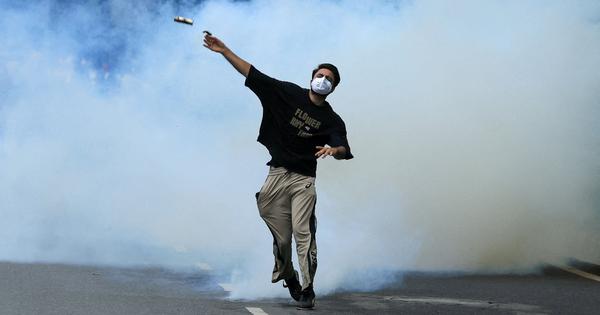
Photo: Scroll.in
2026-07-22 06:50 Politics 11


Gen Z Movements and Youth-led Protests in South Asia: A Comparative Analysis
The article explores the four key factors driving youth-led protests that ousted leaders in Sri Lanka, Bangladesh, and Nepal, while questioning India's unique position.Educated unemployment at scale is a major issue, with India producing five million graduates annually but only employing 2.8 million.
Inequality visible on social media amplifies frustration as privileged backgrounds of politicians' children contrast with commoners' struggles.Failed institutions—delayed courts, ignored voters, and suppressed protests—push citizens to the streets.State humiliation, like Nepal's social media shutdowns, sparks mass mobilization.India differs sharply as its military hasn't taken power, but political missteps by ruling parties risk escalating tensions.
The movement against Education Minister Dharmendra Pradhan evolved into a broader challenge against Prime Minister Modi, highlighting systemic issues in education and governance.
2206
Original title: Four factors explain why Gen Z toppled rulers in Lanka, Bangladesh and Nepal. Is India different?
The AI system has determined that this news is clickbait/sensationalist: : The original title uses sensationalist phrasing like 'toppled rulers' and 'Is India different?' to grab attention, which is more clickbaity than informative. This has coincided with the opinion of the majority of users.
You may also be interested in...
Rahul's Protest Sparks AAP Jibe, CJP Focuses on Jantar Mantar
 Bangladesh's Controversial Spokesperson Appointments Spark Diplomatic Concerns
 Modi Government Appoints Sikh Leader to Head Minorities Panel