
 Palestinians Preserve History Through Digital Archive Amid Conflict
KillBait - News highlights delivered clearly and responsibly—no clickbait, no sensationalism
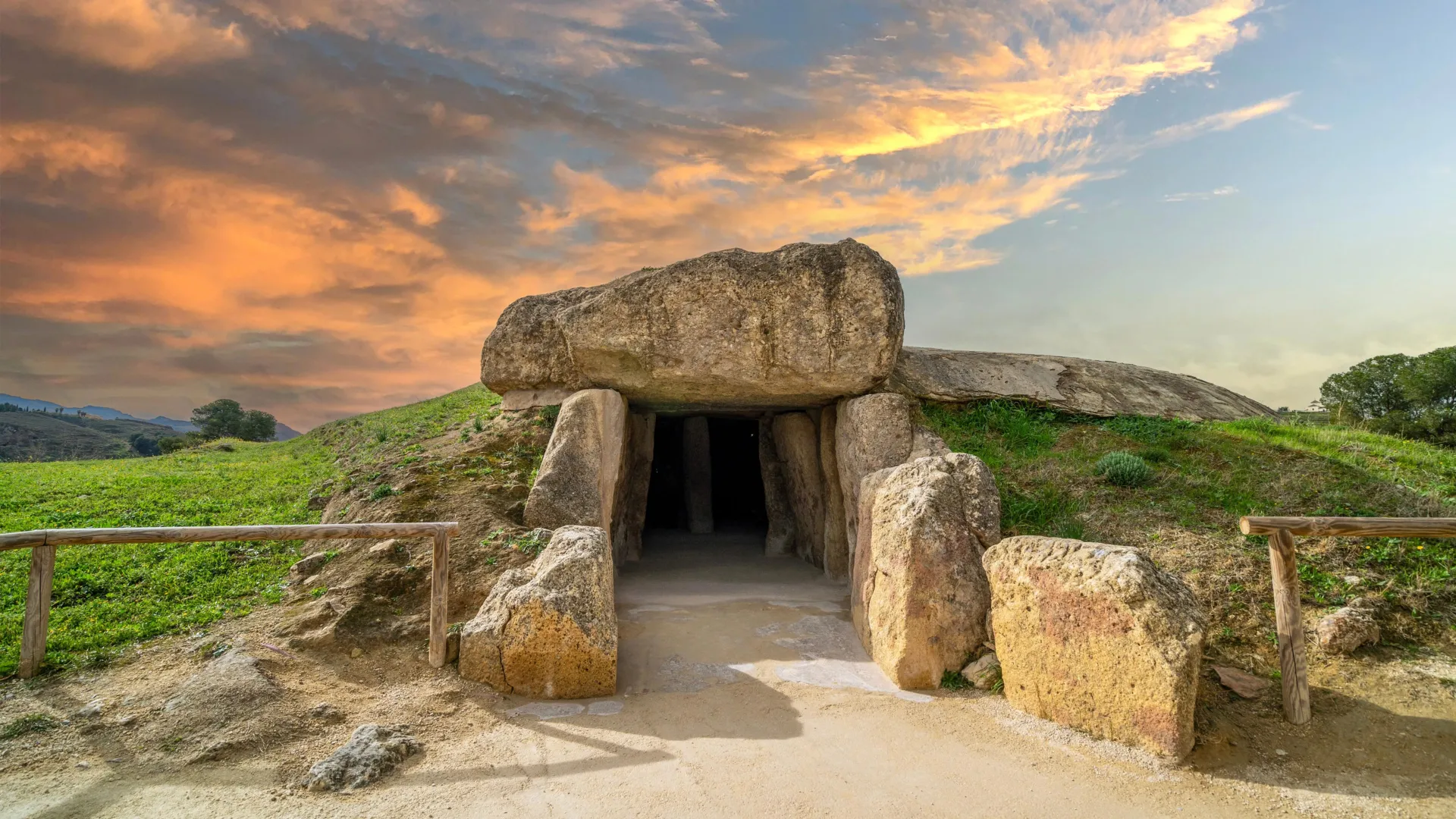
Photo: ScienceDaily
2026-07-08 17:36 Archeology 10


Genetic Evidence Suggests Major Migration After Stone Age Population Collapse in Europe
A genetic study of 132 individuals buried in a megalithic tomb near Bury, France, has uncovered evidence of a dramatic population collapse around 3000 BC.
The research, published in Nature Ecology & Evolution, reveals that the tomb was used in two distinct periods separated by a major demographic shift.DNA analysis shows that the people buried before and after the collapse were genetically unrelated, indicating a significant migration event.
The findings suggest that the original population, resembling Stone Age farming communities from northern France and Germany, was largely replaced by newcomers from southern France and the Iberian Peninsula.
Researchers identified traces of pathogens like Yersinia pestis and Borrelia recurrentis, though these diseases likely contributed to the decline alongside environmental stress and other disruptive factors.
The study also highlights social changes, including shifts from extended family burials to more selective practices dominated by a single male lineage.
These findings align with broader evidence of Neolithic population decline across northern and western Europe, potentially explaining the end of megalithic tomb construction during this period.
The research, led by the University of Copenhagen, provides insights into the complex interplay of genetic, environmental, and societal factors that shaped prehistoric Europe.
2187
Original title: Ancient DNA reveals the mysterious collapse of Europe's megalith builders
The AI system has determined that this news is not clickbait/sensationalist: : The original title is informative and avoids sensationalism by focusing on scientific discovery rather than dramatic language. This has coincided with the opinion of the majority of users.
You may also be interested in...
Palestinians Preserve History Through Digital Archive Amid Conflict
 FBI Director Kash Patel Attends Exclusive MAGA Party and Comments on Work Challenges
 Trump's Legal Misstep in Avoiding Payment to E. Jean Carroll