
 Oyinkansola Badejo-Okusanya Elected NBA President With Record Votes
KillBait - News highlights delivered clearly and responsibly—no clickbait, no sensationalism
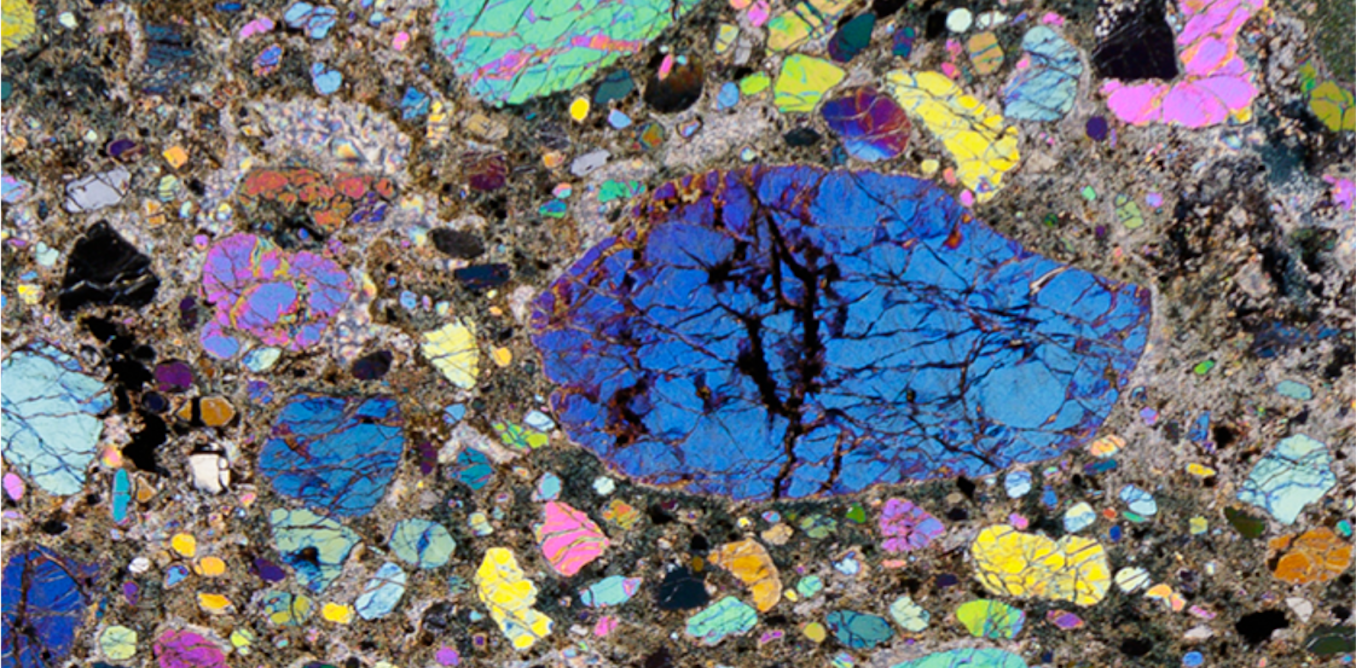
Photo: The Conversation
2026-07-19 13:47 Geology 10


Geological Journey of the World's Largest Diamonds Revealed
The article explores the origins of CLIPPIR diamonds, a rare class of diamonds formed over 400km beneath the Earth's surface in the mantle transition zone.These diamonds, including the Cullinan, Lesedi La Rona, and Motswedi, provide insights into Earth's deep interior processes.
Research by geologists at the University of Cape Town reveals that CLIPPIR diamonds originate from recycled ancient oceanic crust, transformed into diamonds under extreme heat and pressure.Kimberlite magmas carry these diamonds to the surface, with iron-rich olivine in kimberlites indicating potential for CLIPPIR diamonds.
The study highlights the complex journey of these diamonds from seafloor to mantle to continental roots, offering new clues for diamond exploration in regions like Sierra Leone and Angola.
The findings underscore the role of mantle plumes in transporting diamond-bearing material and the importance of understanding deep Earth recycling processes.
Full reading at The Conversation
2186
Original title: Where do the world's biggest diamonds come from? Geology now has answers
The AI system has determined that this news is clickbait/sensationalist: : The original title uses sensational language like 'world’s biggest diamonds' and 'Geology now has answers' to attract attention, which is typical of clickbait headlines. This has coincided with the opinion of the majority of users.
You may also be interested in...
Oyinkansola Badejo-Okusanya Elected NBA President With Record Votes
 SERAP urges lawmakers to withdraw social media regulation bill over human rights concerns
 Long-term political violence impacts child safety in nine African nations