
 Rat Eradication on Palau Island Leads to Rapid Recovery of Seabirds, Fish, and Coral Reefs
KillBait - News highlights delivered clearly and responsibly—no clickbait, no sensationalism
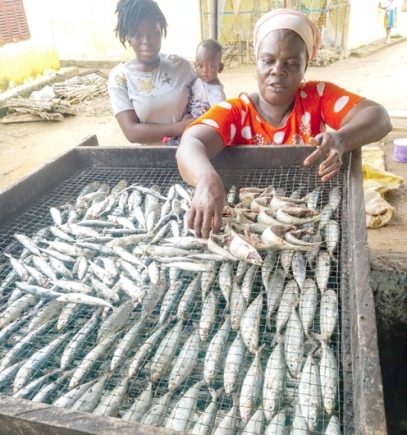
Photo: com.gh
2026-06-14 03:29 Environment 10 


Ghana Fisheries Leaders Call for Stronger Law Enforcement to Protect Marine Resources and Coastal Livelihoods
The article examines the growing challenges facing Ghana’s fishing communities and highlights calls for stronger enforcement of fisheries laws to ensure the long-term sustainability of marine resources.
Across Ghana’s coastal regions, fishing remains a vital source of income, food security, and cultural identity, with generations of families depending on the ocean for their livelihoods.However, many fishermen and fish traders report declining fish catches, longer fishing trips, and increasing economic uncertainty.
According to the report, overfishing, climate variability, illegal fishing practices, and environmental degradation are placing significant pressure on fish stocks.
Fisherfolk identified harmful activities such as light fishing, the use of illegal chemicals, and destructive fishing gear as major contributors to the depletion of marine resources.These challenges affect not only fishermen but also fish processors, traders, and coastal households that rely on the fishing value chain.
The President of the National Fisheries Association of Ghana (NAFAG), Nana Joojo Solomon, emphasized during World Oceans Day activities that the ocean supports far more than fishing, contributing to transportation, telecommunications, tourism, security, oil and gas operations, and the broader blue economy.
He warned that increasing population growth, unrestricted access to fishing activities, pollution, and climate change are intensifying pressure on marine ecosystems.Solomon argued that Ghana already has fisheries regulations in place, but weak and inconsistent enforcement allows illegal practices to continue.
He called for stronger implementation of existing laws, coordinated action among government agencies and stakeholders, and a 'just transition' that protects fishing communities as other marine industries expand.
The article concludes with an appeal for collective efforts to reduce pollution, promote sustainable fishing, and preserve Ghana’s oceans for future generations.
2187
Original title: Unlocking the blue economy: Strengthening fisheries law enforcement for sustainability
The AI system has determined that this news is not clickbait/sensationalist: : The original title accurately reflects the article's subject matter and focuses on fisheries law enforcement, sustainability, and the blue economy without using sensational, misleading, or exaggerated language. This has coincided with the opinion of the majority of users.
You may also be interested in...
Rat Eradication on Palau Island Leads to Rapid Recovery of Seabirds, Fish, and Coral Reefs
 Solar Generates More Electricity Than Coal in the U.S. for the First Time on Record
 Epstein Survivors Use Trump's 80th Birthday to Highlight His Past Association With Jeffrey Epstein