
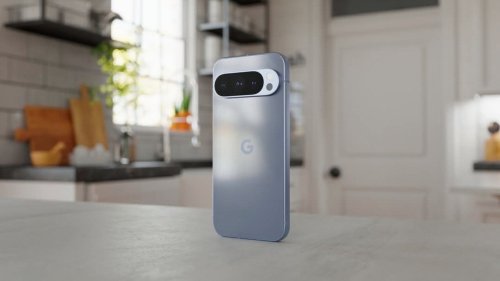
 Google Enhances Pixel Voicemail with Custom Greeting Features and Smarter Controls
KillBait - News highlights delivered clearly and responsibly—no clickbait, no sensationalism

Photo: WIRED
2026-06-03 00:43 Technology 13 


Google introduces Android caller verification feature to reduce spoofed calls and phone scams
Google is rolling out a new anti-scam feature for Android phones designed to verify the authenticity of incoming calls and reduce caller ID spoofing.Built into the Google Dialer and available on devices running Android 12 and later, the system uses the RCS communication standard to send a silent, real-time “confirmation signal” between devices when a call is placed.
This signal helps confirm whether the caller is genuinely using their registered smartphone or attempting to spoof a number through VoIP or other methods.When a call is verified, it proceeds normally with the contact’s name and photo displayed as expected.However, if the system detects that the expected hardware-based confirmation is missing, the call may be flagged as suspicious.
In these cases, Android can display a warning overlay such as “This may not be [contact name],” remove the contact’s photo from the call screen, and change the recent call log entry to “Unknown caller.” The feature is intended to be simple and actionable, giving users the option to hang up if a call appears unsafe.
The feature comes as scam calls increasingly use AI-powered voice cloning and advanced impersonation tactics to trick victims into believing they are speaking with trusted contacts.
While existing spam detection systems already filter many robocalls, sophisticated scams still slip through, especially those that mimic familiar numbers.
Google says its approach focuses on a high-confidence verification method rather than relying solely on AI-based detection, which can produce errors and contribute to an arms race with attackers.
Because the system relies on RCS and is integrated into Android’s calling infrastructure, it could potentially work across platforms, though widespread adoption would be required for maximum effectiveness, including support from Apple devices.
For now, the rollout will gradually expand to compatible Android phones, aiming to provide stronger protection against increasingly convincing phone scams.
2246
Original title: Android Is Fighting Phone Scams With a New Feature to Prove Who’s Calling
The AI system has determined that this news is not clickbait/sensationalist: : The original title is descriptive and accurately reflects the content of the article, explaining a new Android feature aimed at preventing phone scams without exaggeration or sensational language. This has coincided with the opinion of the majority of users.
You may also be interested in...
Google Enhances Pixel Voicemail with Custom Greeting Features and Smarter Controls
 Security and AI Updates: Chinese Peptide Labs, Meta AI Hacks, and NSA Collaborations
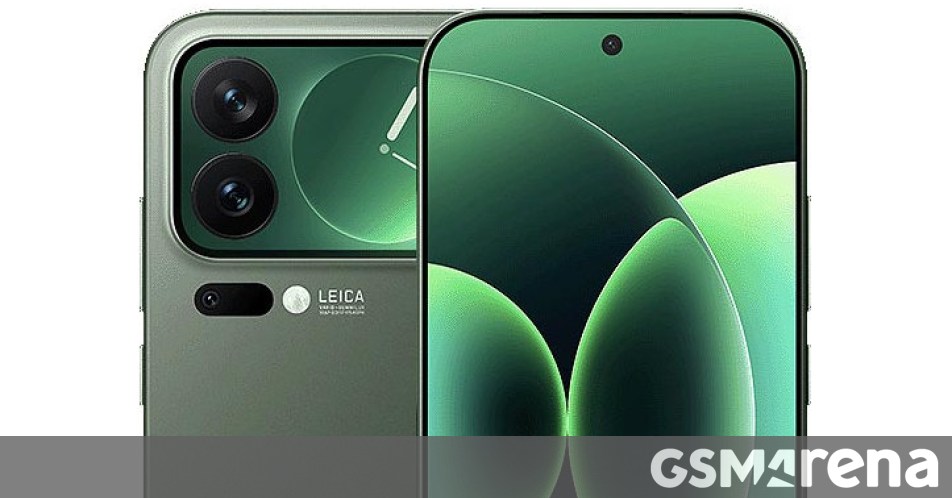 Xiaomi 18 Pro rumored to feature larger 4-inch rear display with higher brightness and resolution