
 Cross River State Passes Same-Sex Marriage Ban Bill Amid Legal Challenge
KillBait - News highlights delivered clearly and responsibly—no clickbait, no sensationalism
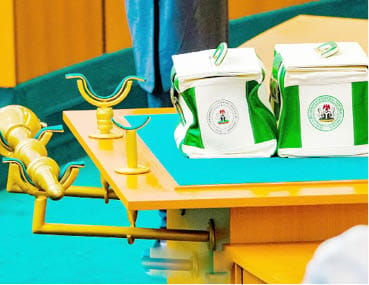
Photo: Daily Trust
2026-07-23 09:25 Politics 10


Government Allocates N30bn for Palaces and Religious Projects Amid Budget Concerns
The Nigerian government has allocated N30.15 billion in the 2026 budget for constructing, renovating, and furnishing palaces and religious institutions like churches and mosques.This allocation has sparked debates over spending priorities, especially as critical sectors like health and education face funding gaps.A report by Tracka, a public accountability group, revealed that N22.15 billion is earmarked for palace renovations and N8 billion for religious projects.Concerns arise due to the country's N31.45 trillion budget deficit and rising debt.The allocation includes projects like solar power installations, musical equipment for churches, and imam residences.
However, many MDAs (Ministries, Departments, and Agencies) tasked with these projects lack the legal mandate to execute them, leading to accountability issues.Critics argue that funds could be better used for healthcare infrastructure, as the N8 billion could equip hundreds of primary healthcare centers.
Political analysts also question the focus on religious projects over public welfare, suggesting it reflects political patronage rather than national priorities.
2186
Original title: Questions over N30bn for palaces, places of worship
The AI system has determined that this news is not clickbait/sensationalist: : The original title is factual and straightforward, focusing on the allocation of funds rather than using exaggerated language to attract clicks. This has coincided with the opinion of the majority of users.
You may also be interested in...
Cross River State Passes Same-Sex Marriage Ban Bill Amid Legal Challenge
 Tinubu's administration faces scrutiny over fake agency and abuse of power
 APM Condemns Tinubu's Adviser For Disparaging Makinde's Political Profile