
 Fuel and Oil Prices to Rise in Metro Manila Starting July 7, 2026
KillBait - News highlights delivered clearly and responsibly—no clickbait, no sensationalism
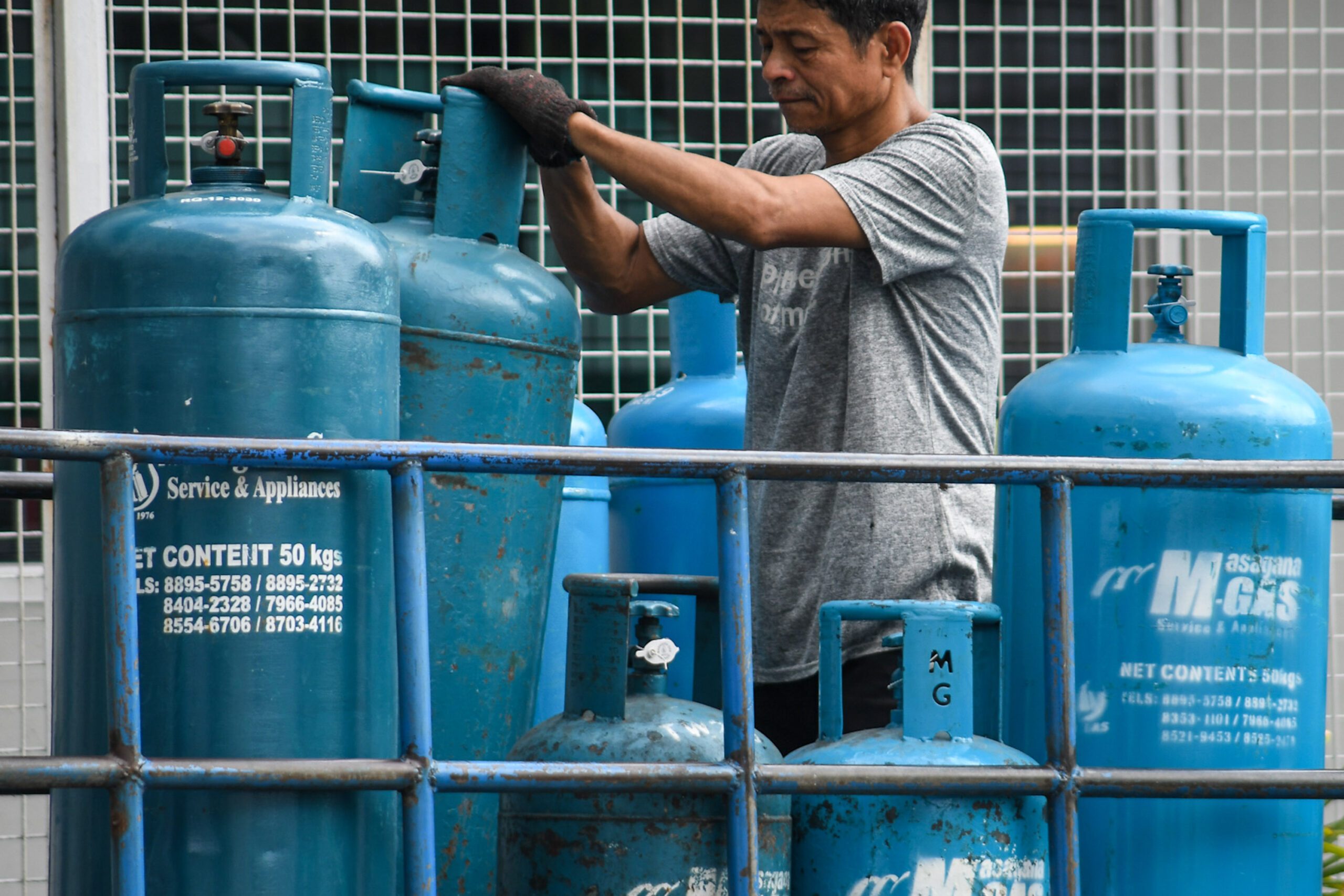
Photo: RAPPLER
2026-07-09 13:10 Economy 10


Government ends tax breaks on kerosene and LPG as fuel prices adjust
The temporary tax suspension on kerosene and liquefied petroleum gas (LPG) in the Philippines has ended after Dubai crude prices fell below the $80-per-barrel threshold.The Bureau of Internal Revenue (BIR) reinstated excise taxes on these fuels, which could increase prices for consumers.
The tax break, introduced to shield citizens from rising oil costs during the Middle East crisis, was set to expire once crude prices dropped below $80.However, local fuel prices are influenced by regional petroleum product prices, not just taxes.While the government lost around P4.1 billion in revenue during the suspension, consumers previously saved P5.65 per liter on kerosene and P37 per LPG tank.Now, with taxes restored, these savings are gone.Fuel prices also depend on international markets, exchange rates, and import costs.Although Dubai crude has become cheaper, the Philippines relies on imported refined fuels, so price adjustments may take time.
The Department of Energy (DOE) noted that MOPS diesel prices remain elevated, and pump prices may normalize within one to two months if global supply routes remain stable.
2186
Original title: Tax breaks on kerosene, LPG end. How will this affect prices?
The AI system has determined that this news is clickbait/sensationalist: : The original title uses a direct question and implies a dramatic impact, which is more attention-grabbing than factual. It lacks neutrality and emphasizes uncertainty to attract clicks. This has coincided with the opinion of the majority of users.
You may also be interested in...
Fuel and Oil Prices to Rise in Metro Manila Starting July 7, 2026
 DOE forecasts diesel and kerosene price increases in July
 Fuel Price Adjustments and Regional Benchmark Influence