
 U.S. Citizen in Congo Tests Positive for Ebola as Outbreak Escalates
KillBait - News highlights delivered clearly and responsibly—no clickbait, no sensationalism
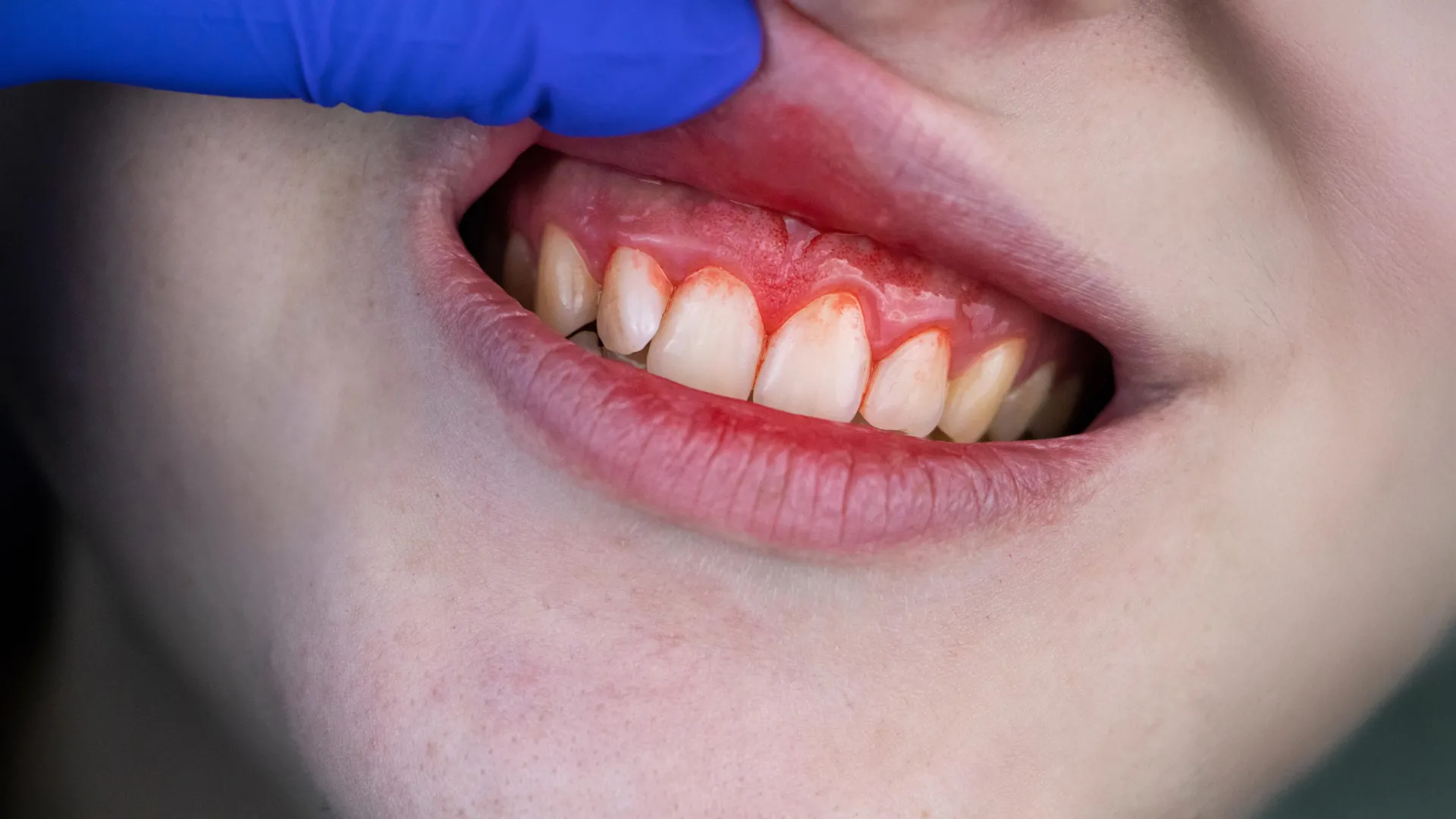
Photo: ScienceDaily
2026-07-13 11:36 Health 10


Gum Disease Bacteria Linked to Heart Valve Damage Risk
A new study suggests that bacteria associated with gum disease, specifically Porphyromonas gingivalis, may contribute to calcific aortic valve stenosis (CAVS) by triggering inflammation and calcium buildup in heart valves.Researchers analyzed bacterial levels in heart valve tissue from patients undergoing surgery and found higher presence of P.gingivalis in CAVS cases compared to other valve conditions.Mouse experiments showed that live P.gingivalis exposure led to valve calcification and aortic stenosis symptoms, while antibiotics and genetic removal of the IL-1β pathway reduced these effects.
The findings highlight a potential biological mechanism connecting periodontal disease to cardiovascular issues, though the results are preliminary and require human confirmation.
The American Heart Association emphasizes the importance of oral health in overall cardiovascular wellness, noting that dental professionals could play a key role in early detection of periodontal disease.
While no medications exist to prevent CAVS progression, the study suggests future research may explore gum health as a preventive strategy for this common and potentially life-threatening heart condition.
2186
Original title: Scientists discover a hidden heart valve risk linked to gum disease
The AI system has determined that this news is clickbait/sensationalist: : The original title uses sensational language like 'hidden heart valve risk' and 'linked to gum disease' which may overstate the connection, implying a direct causation rather than a potential association requiring further research. This has coincided with the opinion of the majority of users.
You may also be interested in...
U.S. Citizen in Congo Tests Positive for Ebola as Outbreak Escalates
 Common Causes of Nighttime Urination and How to Manage Them
 15 Korean Skincare Products That Have Gone Viral on TikTok