
 Russia and Ukraine escalate rhetoric after deadly Kyiv missile and drone strikes kill 25
KillBait - News highlights delivered clearly and responsibly—no clickbait, no sensationalism

Photo: SBS Australia
2026-07-08 04:09 Conflict 10


Hamas' political shift and ongoing ceasefire challenges in Gaza
Hamas has announced the dissolution of its governing body in Gaza, marking a significant political change after nearly two decades of civilian rule.The move aims to facilitate the transfer of administrative responsibilities to a United States-backed committee of Palestinian technocrats under a ceasefire plan brokered by former President Donald Trump.
However, experts emphasize that this does not resolve the core issue preventing a lasting peace: Hamas' refusal to disarm unless Israel halts its military operations.Israel maintains that any agreement requires Hamas to fully demilitarize Gaza and end its control over security in the region.
Analysts argue that Hamas' pledge offers little comfort to civilians enduring harsh living conditions, with many still residing in temporary shelters.The ceasefire remains stalled, as Israeli forces continue to expand their presence in Gaza, controlling over 60% of the territory.Meanwhile, Palestinian health officials report ongoing violence, with at least 1,072 Palestinians killed since the ceasefire took effect.
International criticism persists regarding alleged targeting of civilians and restricted aid access, though Israel rejects these claims as propaganda.
The political shift by Hamas is viewed as a symbolic gesture rather than a substantive step toward peace, with experts highlighting the persistent threat posed by the group's retained weapons.
2187
Original title: Hamas says it will step aside. Here's what it means for Gaza — and what obstacles remain
The AI system has determined that this news is clickbait/sensationalist: : The original title uses 'Watch FIFA World Cup LIVE' as a sensational hook, which is unrelated to the actual content about Hamas and Gaza. This creates a misleading clickbait effect by prioritizing entertainment over news relevance. This has coincided with the opinion of the majority of users.
You may also be interested in...
Russia and Ukraine escalate rhetoric after deadly Kyiv missile and drone strikes kill 25
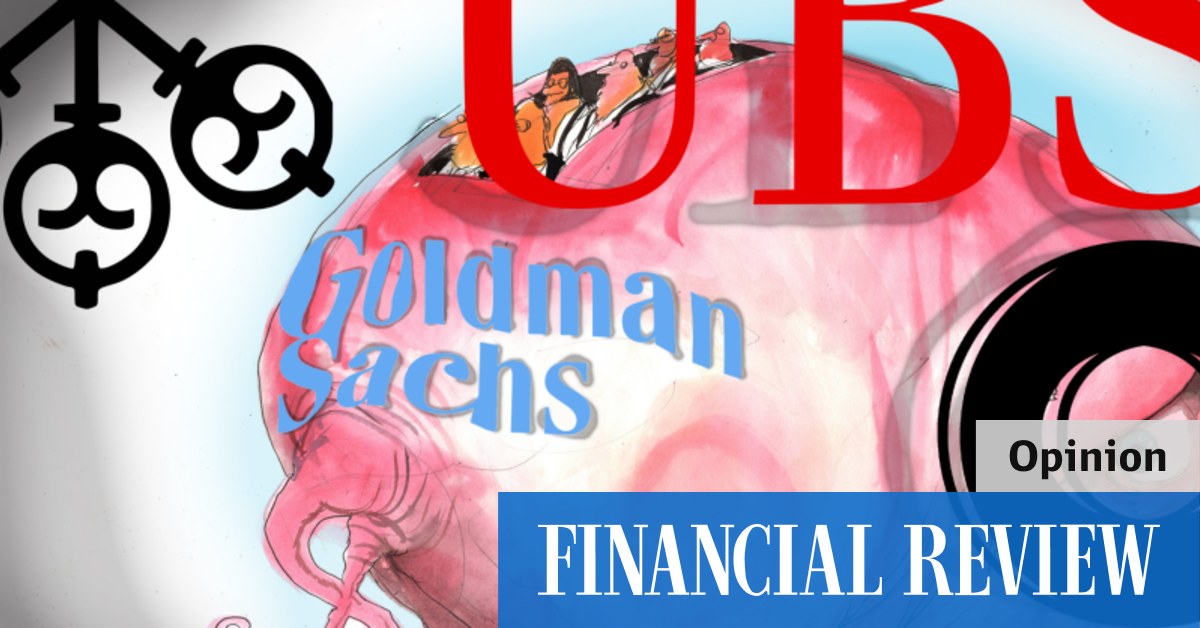 Investment banks face criticism for overwhelmingly positive support of SpaceX's planned IPO
 Feminism's Backlash Evolves: From #NotAllMen to Accusations of 'Man-Hating'