
 Rising Cases of Anaplasmosis Highlight Growing Public Health Concern in Canada
KillBait - News highlights delivered clearly and responsibly—no clickbait, no sensationalism
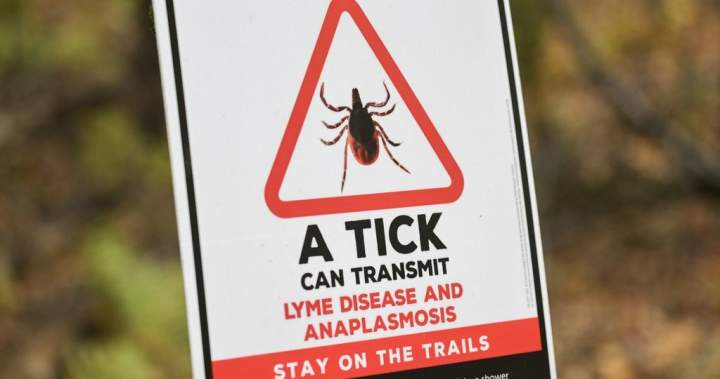
Photo: Global News
2026-07-13 17:27 Health 10


Health experts warn of rising anaplasmosis cases and urge early treatment
A new study published in the Canadian Medical Association Journal highlights the growing threat of anaplasmosis, a tick-borne illness often mistaken for Lyme disease.Dr.
Michael Quon, an internal medicine specialist at The Ottawa Hospital, shares the case of a 79-year-old man who developed severe symptoms including fever, weakness, and myocarditis after a tick bite.Although the patient didn’t recall being bitten, he lived in an area with high tick activity.Doctors treated him with doxycycline, which proved effective, and later confirmed anaplasmosis.
The study emphasizes that early treatment is critical, as untreated cases can lead to serious complications like kidney failure or brain inflammation.Public health officials note that blacklegged ticks, which carry both anaplasmosis and Lyme disease, are becoming more prevalent in eastern Canada.While tick-borne diseases remain relatively rare, experts urge caution with outdoor activities and recommend regular tick checks.The article also outlines proper tick removal techniques and highlights the importance of reporting ticks to monitoring programs.
Overall, the piece underscores the need for medical professionals to consider anaplasmosis in patients presenting with flu-like symptoms and outdoor exposure.
2187
Original title: Ticks are spreading anaplasmosis, not just Lyme disease, CMA warns
The AI system has determined that this news is not clickbait/sensationalist: : The original title uses 'warns' to emphasize urgency, but the content is factual and informative rather than sensationalist. This has coincided with the opinion of the majority of users.
You may also be interested in...
Rising Cases of Anaplasmosis Highlight Growing Public Health Concern in Canada
 Nova Scotia donor faces financial strain due to lack of companion support
 Nova Scotia Woman Diagnosed with Alpha-Gal Syndrome Faces Dietary Restrictions