
 Sonam Wangchuk's hospital transfer after 20 days of treatment
KillBait - News highlights delivered clearly and responsibly—no clickbait, no sensationalism

Photo: The Hindu
2026-07-18 10:16 Health 10


Health Impacts of Prolonged Fasting: A Scientific Overview
The article explores the physiological changes in the human body during prolonged fasting, citing studies that show significant shifts in energy sources and organ functions.It highlights weight loss, muscle breakdown, and risks like electrolyte imbalances and metabolic acidosis.The case of Sonam Wangchuk's hunger strike is used to illustrate real-world implications, emphasizing the need for medical monitoring.Experts warn of long-term effects such as reduced strength, immune dysfunction, and increased illness risks.The piece also discusses refeeding challenges and the importance of gradual nutrient reintroduction to avoid complications.Key findings include the body's shift to fat metabolism, decreased blood pressure, and potential cardiovascular risks.The article underscores the balance between fasting benefits and health hazards, advising caution for individuals with pre-existing conditions.
2187
Original title: What prolonged fasting can do to the human body | Explained
The AI system has determined that this news is clickbait/sensationalist: : The original title uses 'can do' and 'Explained' to sensationalize the topic, making it more attention-grabbing than informative. This has coincided with the opinion of the majority of users.
You may also be interested in...
Sonam Wangchuk's hospital transfer after 20 days of treatment
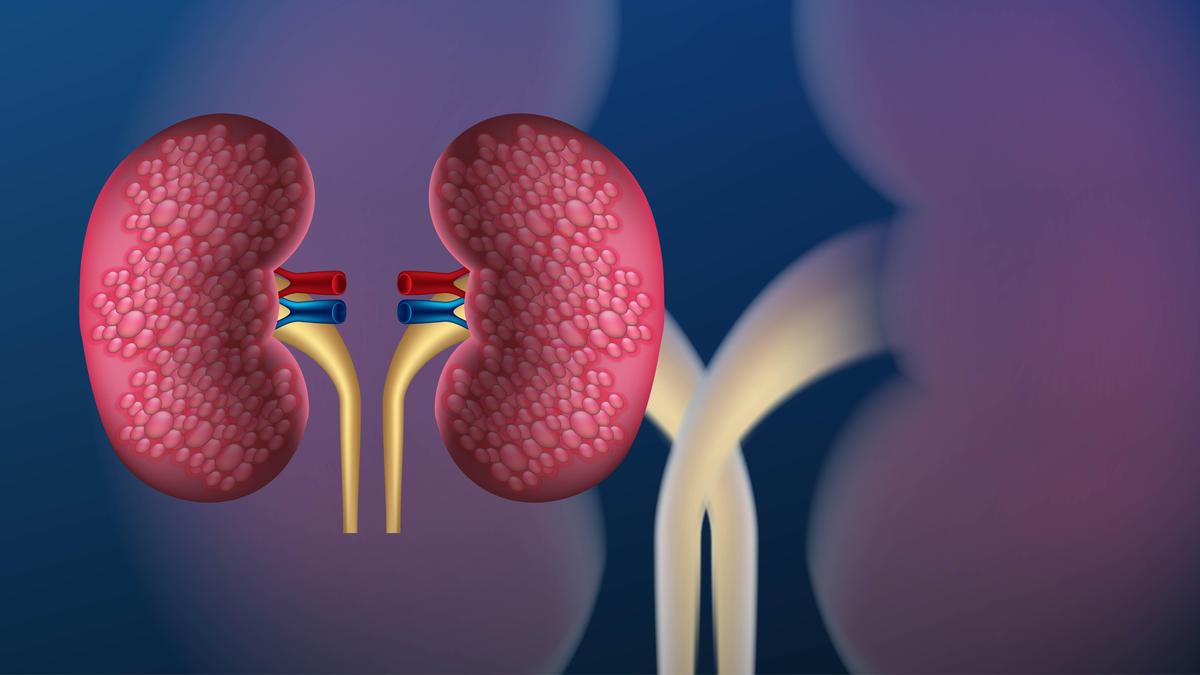 Global CKD Diagnosis Crisis: Over 400 Million Cases Remain Undiagnosed, Warns Lancet Study
 Understanding Stress-Induced Exhaustion and Mental Overdrive