
 Three Astronauts Successfully Return from Space Station After 241 Days in Orbit
KillBait - News highlights delivered clearly and responsibly—no clickbait, no sensationalism
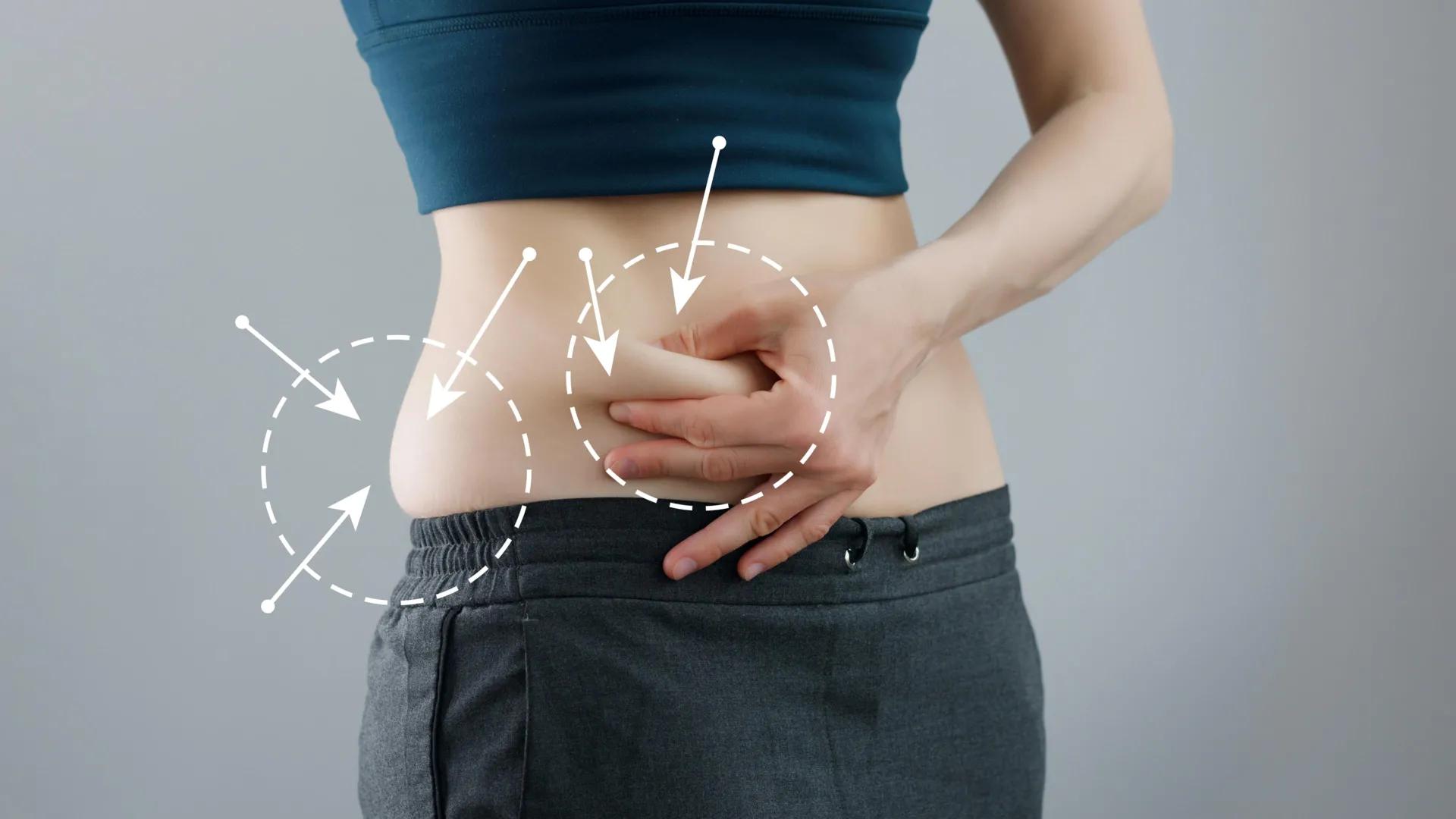
Photo: ScienceDaily
2026-07-26 21:43 Science 12


Healthy Fat Loss Linked to Diabetes Risk
Scientists discovered that losing healthy fat tissue can disrupt metabolism and increase diabetes risk.Fat cells, once damaged, become inflamed, lose their ability to store lipids, and eventually vanish, leading to metabolic disorders.
This study, led by researchers at Michigan Medicine, found that pathological fat loss, as seen in conditions like familial partial lipodystrophy type 2 (FPLD2), can cause diabetes and metabolic diseases.
The research combined patient tissue samples with a mouse model to show that fat cells undergo genetic changes, leading to inflammation, mitochondrial dysfunction, and lipid processing issues.These findings challenge the common view of fat as purely harmful, emphasizing its role in hormone production and metabolic regulation.
The study highlights the need for therapies targeting adipose tissue preservation and underscores the collaboration between clinicians and scientists in advancing treatments for fat-related metabolic diseases.
2226
Original title: Why losing the wrong fat can trigger diabetes
The AI system has determined that this news is clickbait/sensationalist: : The original title uses 'trigger diabetes' as a dramatic phrasing, which is more sensational than factual, suggesting a direct cause-effect relationship rather than explaining the complex metabolic processes involved. This has coincided with the opinion of the majority of users.
You may also be interested in...
Three Astronauts Successfully Return from Space Station After 241 Days in Orbit
 Understanding Entropy Through Probability and Thermodynamics
 New Study Reveals How Oral GLP-1 Drugs Affect Brain's Food Craving Circuit