
 Egypt Calls for FIFA Investigation Following World Cup Match Controversy
KillBait - News highlights delivered clearly and responsibly—no clickbait, no sensationalism

Photo: WIRED
2026-07-10 17:31 Sports 10


Heat Stress and Climate Challenges Threaten World Cup Match in Miami
The upcoming World Cup quarter-final between England and Norway in Miami faces extreme heat stress due to a combination of high temperatures, humidity, and Saharan dust.
Scientists warn that the Wet Bulb Globe Temperature (WBGT) is expected to reach nearly 90°F (32°C), far exceeding the 82°F (28°C) threshold recommended by the American College of Sports Medicine for ceasing athletic activities.FIFA guidelines suggest 30-minute breaks for players and referees when WBGT exceeds 90°F, but researchers argue these measures are insufficient.
The match, set in South Florida, will expose European players to conditions rarely experienced in their home countries, potentially leading to heat exhaustion.Matt Maley, an environmental ergonomics expert, predicts reduced sprinting and distance covered by players due to the extreme environment.
The article also highlights broader concerns about the 2026 World Cup's heat stress risks, with scientists urging FIFA to extend hydration breaks and consider postponing matches in dangerously high WBGT conditions.Fans are also at risk of heat-related illnesses, particularly older individuals and those with pre-existing health conditions.
The piece underscores the intersection of climate change, sports, and public health, raising questions about the future of major international events in increasingly extreme climates.
2186
Original title: Sunshine and Saharan Dust Make Miami’s World Cup Quarter-Final a Dangerous Game
The AI system has determined that this news is clickbait/sensationalist: : The original title uses hyperbolic language like 'dangerous game' and emphasizes dramatic elements to attract attention, which aligns with clickbait tactics. This has coincided with the opinion of the majority of users.
You may also be interested in...
Egypt Calls for FIFA Investigation Following World Cup Match Controversy
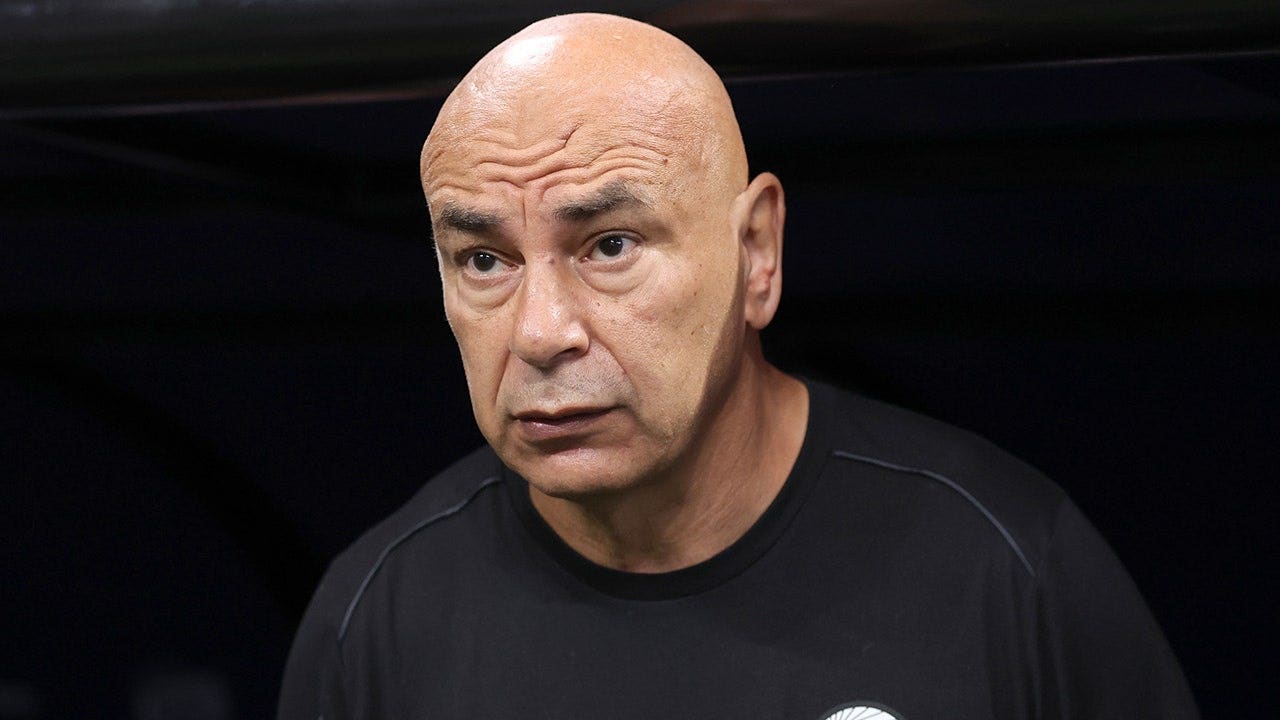 Egyptian Team Criticizes Officiating After World Cup Loss to Argentina
 England's World Cup Triumph and Key Moments in Mexican Campaign