
 Report Examines Israeli Plans Affecting Bedouin Communities in the Jerusalem Wilderness Area
KillBait - News highlights delivered clearly and responsibly—no clickbait, no sensationalism
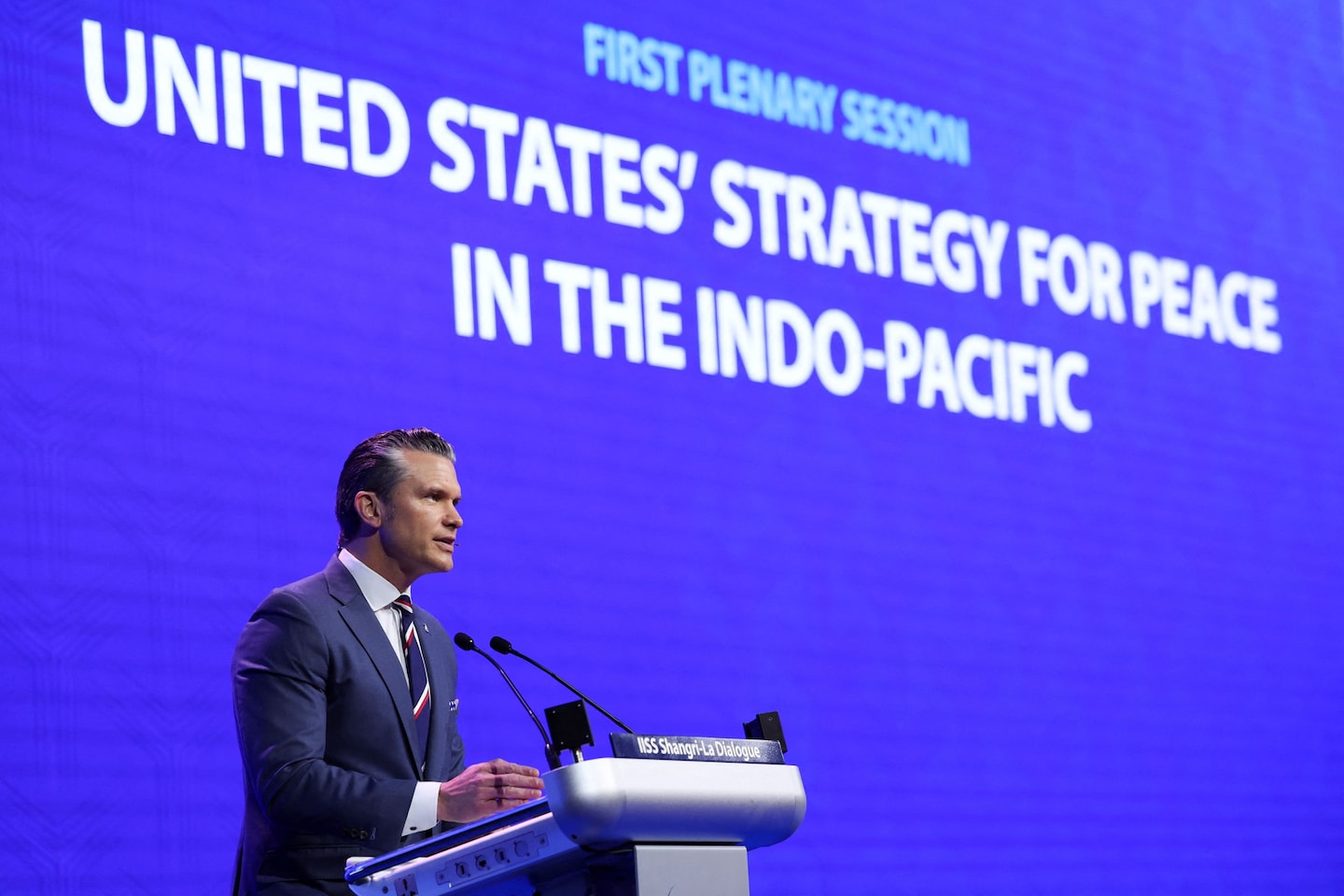
Photo: washingtonpost.com
2026-05-30 11:05 Geopolitics 10 


Hegseth urges quieter U.S. defense posture in Asia after Trump China visit amid allied security concerns
Following a recent visit by former President Trump to China, U.S.Defense Secretary Pete Hegseth has signaled a shift in tone regarding Washington’s approach to Beijing and broader Indo-Pacific defense strategy.
Speaking at an annual Asia security summit, Hegseth emphasized improved relations with China and suggested the need for a more restrained or “quiet” defense posture in the region.
This represents a notable contrast with his earlier remarks at the same forum the previous year, when he adopted a strongly hawkish stance toward Beijing.
At that time, he referenced China nearly two dozen times and warned that “Beijing is credibly preparing to potentially use military force to alter the balance of power in the Indo-Pacific.” The latest comments have sparked concern among critics and regional observers, who argue that a softer rhetorical approach could signal reduced U.S.commitment to deterring Chinese military assertiveness.
Some analysts and allies worry that the administration’s emphasis on improved ties with Beijing may come at the expense of addressing the security needs and expectations of Asian partners.These allies rely heavily on clear signals of U.S.deterrence in the face of ongoing geopolitical tensions in the Indo-Pacific.The shift in tone highlights an ongoing debate within U.S.foreign policy circles over how to balance diplomatic engagement with China and the need to reassure regional allies.
While Hegseth’s remarks suggest a desire to lower tensions and promote stability, critics caution that ambiguity or reduced emphasis on deterrence could be interpreted as strategic uncertainty at a time of heightened regional competition.
Full reading at washingtonpost.com
2186
Original title: Following Trump’s China visit, Hegseth calls for ‘quiet’ defense plan in Asia
The AI system has determined that this news is clickbait/sensationalist: : The original title uses dramatic framing (“Democracy Dies in Darkness”) and bundles multiple claims together, including Trump’s China visit and policy shifts, which can feel sensational and attention-grabbing rather than neutral. This structure is designed to increase emotional impact rather than clearly and succinctly describe the event. This has coincided with the opinion of the majority of users.
You may also be interested in...
Report Examines Israeli Plans Affecting Bedouin Communities in the Jerusalem Wilderness Area
 U.S. Southern Command Chief Holds Security Talks with Cuban Military Amid Rising Tensions
Opinion: Calls to Reduce US-China Tensions Over Taiwan Amid Historical and Strategic Debate
U.S. Southern Command Chief Holds Security Talks with Cuban Military Amid Rising Tensions
Opinion: Calls to Reduce US-China Tensions Over Taiwan Amid Historical and Strategic Debate