
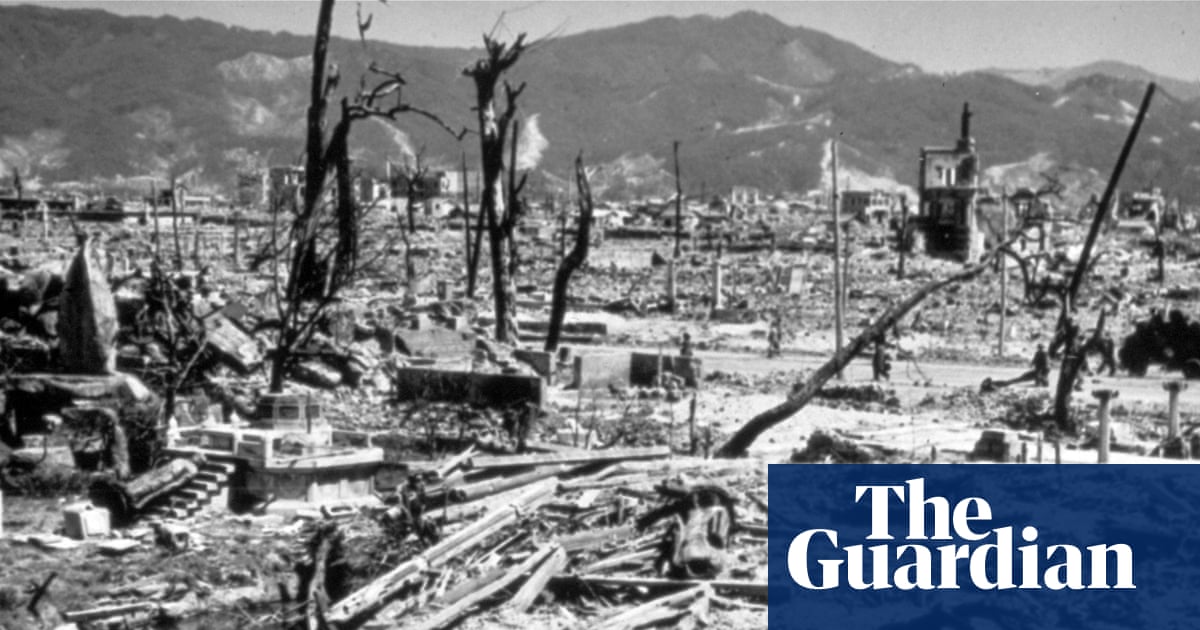
 A survivor's account of resilience during World War II's aftermath
KillBait - News highlights delivered clearly and responsibly—no clickbait, no sensationalism

Photo: theguardian.com
2026-07-26 03:49 History 10


Historical Witchcraft Accusations Against Women with Financial Independence
The article explores the historical persecution of women like Katherine Harrison, a 17th-century widow in Connecticut, who faced witchcraft accusations due to her financial independence and unconventional lifestyle.Harrison inherited wealth, ran a farm, and engaged in crafts like beekeeping and brewing, which were seen as threats to patriarchal norms.
Her trial in 1668 highlighted how women who defied societal expectations—particularly those who inherited property or pursued economic autonomy—were vulnerable to witchcraft allegations.
The piece connects this to broader patterns in European witch trials, where 80% of accused were women, often linked to their roles in healthcare, dairying, or other trades.
Scholars like Carol F Karlsen and Philippa Carter argue that women’s economic power and traditional skills, when monetized, made them targets of superstition and patriarchal control.
The article also references Agnes Sampson, a healer accused in the North Berwick witch trials, illustrating how female expertise was demonized as witchcraft.Modern parallels are drawn to contemporary debates about women’s power and the lingering stigma of the 'witch' label.
The narrative underscores how historical witchcraft accusations were not just about supernatural beliefs but also about systemic oppression of women’s autonomy.
Full reading at theguardian.com
2186
Original title: What makes a woman a witch? Financial independence
The AI system has determined that this news is clickbait/sensationalist: : The original title uses sensationalist language ('witch') and provocative juxtaposition ('Financial independence') to attract attention, which aligns with clickbait tactics. This has coincided with the opinion of the majority of users.
You may also be interested in...
A survivor's account of resilience during World War II's aftermath
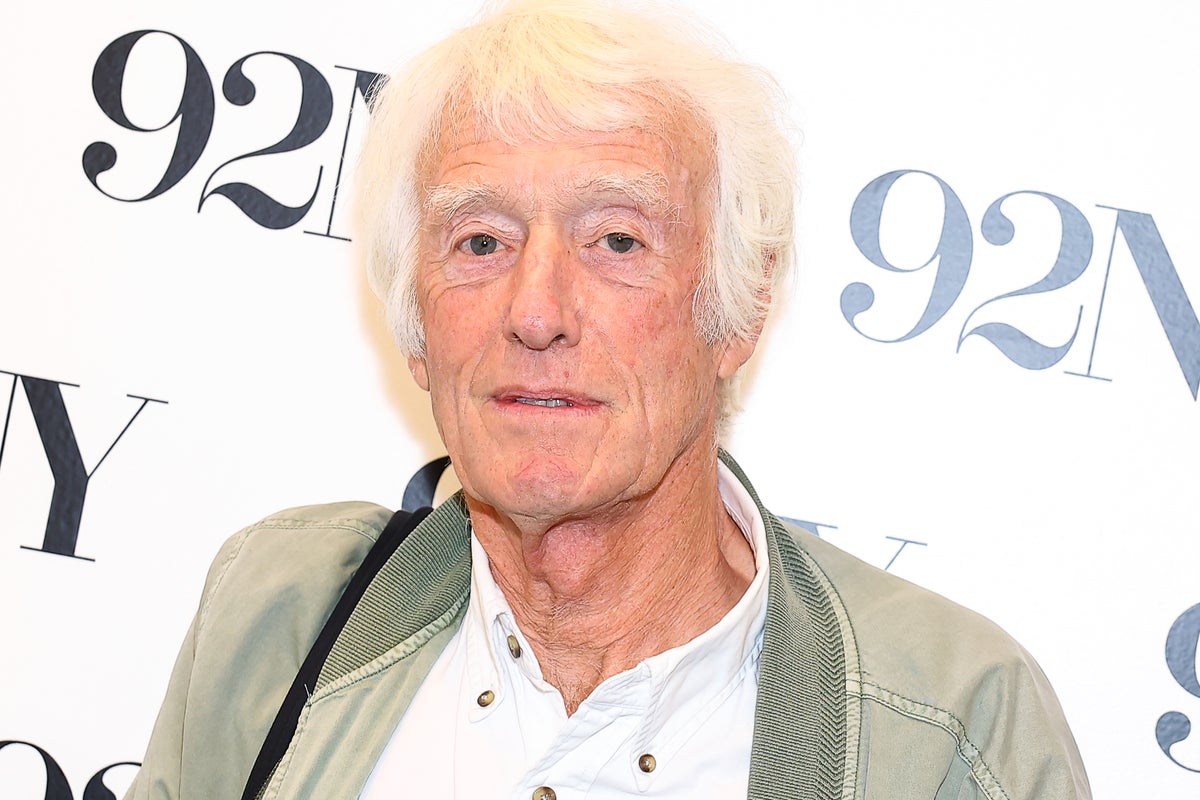 Roger Deakins Reflects on Career and Personal Loss
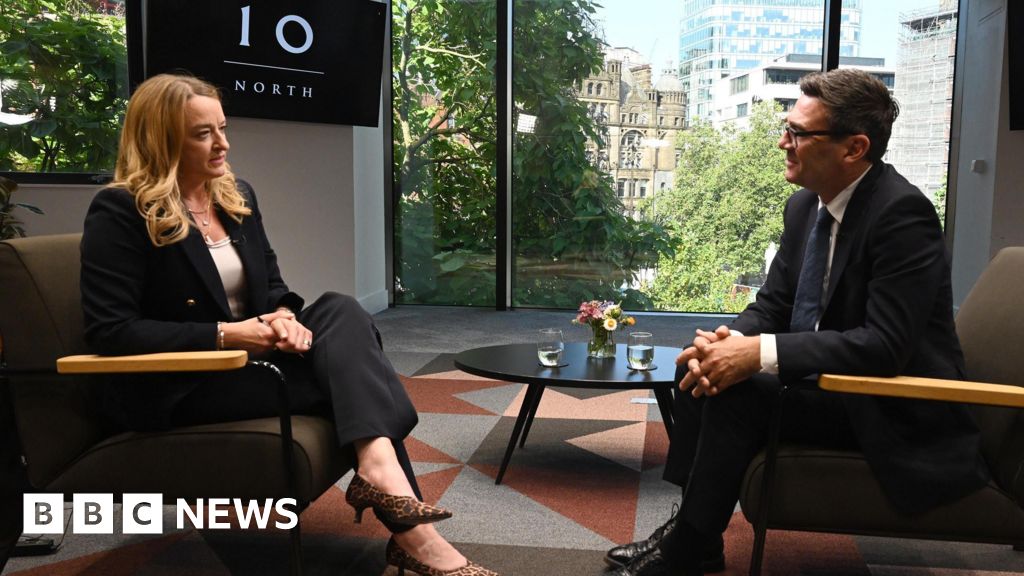 Andy Burnham's First Week as Prime Minister: Behind-the-Scenes Insights