
 SpaceX shares surge after record IPO, lifting Elon Musk’s net worth above US$1 trillion
KillBait - News highlights delivered clearly and responsibly—no clickbait, no sensationalism
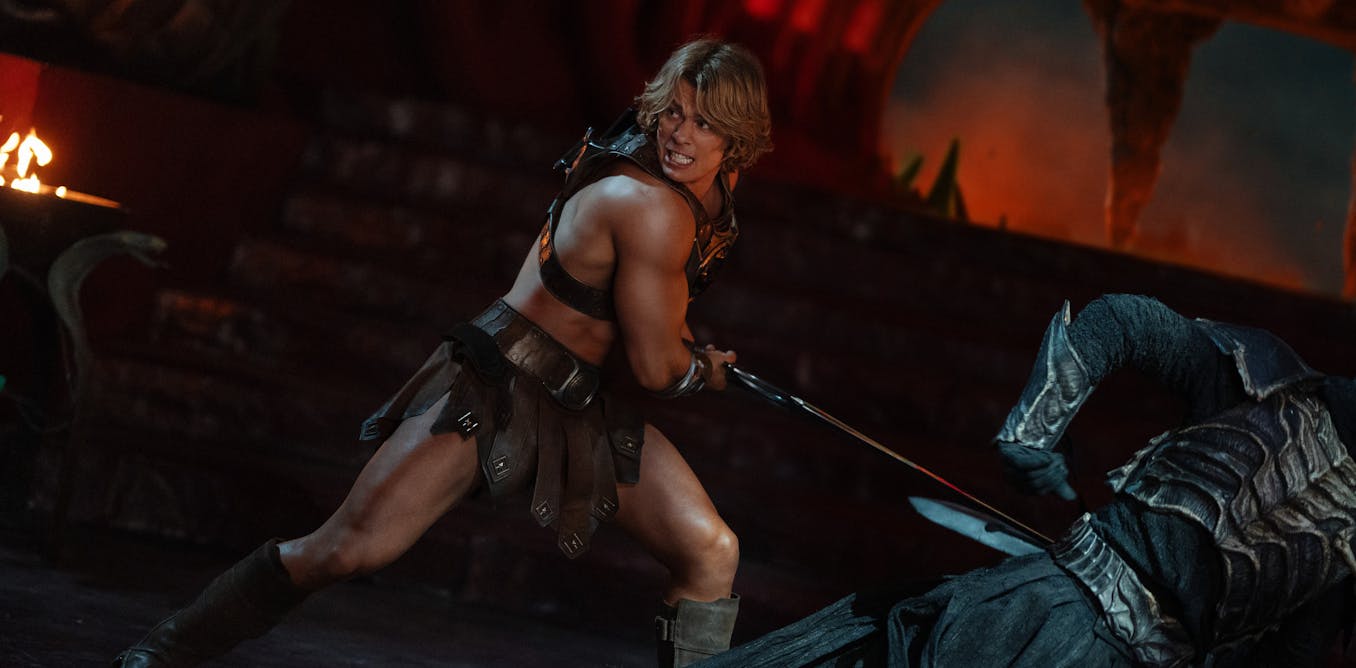
Photo: The Conversation
2026-06-08 11:33 Business 42 


How 1980s Toy Franchises Created the Modern Transmedia Entertainment Business
The release of a new Masters of the Universe film nearly four decades after the original cartoon and 1987 movie highlights the enduring commercial power of childhood franchises.
While many viewers may be drawn to the cinema by nostalgia, the article argues that nostalgia is only one part of a much larger business strategy that emerged during the 1980s.
During that decade, companies increasingly designed characters and stories not merely as entertainment but as intellectual property that could generate revenue across toys, television, films, games and merchandise for many years.The success of the original Star Wars film and its merchandising boom demonstrated the financial potential of character-based franchises.
Inspired by this model, toy and media companies developed integrated commercial ecosystems around properties such as Transformers, Care Bears, Rainbow Brite, Strawberry Shortcake and Masters of the Universe.
Regulatory changes in the United States during the early 1980s also helped accelerate this trend by easing restrictions that had previously limited children's television programs from functioning as promotional vehicles for toys.Mattel's Masters of the Universe became a leading example of this approach.
The company launched toys before the television series and carefully managed the brand through licensing agreements and detailed guidelines governing how characters could appear across different media.
This strategy, now commonly described as transmedia storytelling, allowed a single intellectual property to expand into numerous products and platforms.
Although later regulations, including the Children's Television Act of 1990, reduced the prevalence of toy-driven children's programming, the core intellectual property model survived.
Today, major entertainment companies such as Disney, Mattel, Universal and Hasbro continue to build interconnected franchises spanning films, streaming, games, toys and consumer products.As a result, many popular 1980s properties continue to be revived and adapted for new generations of audiences.
Full reading at The Conversation
2484
Original title: Masters of the Universe shows how companies learned to monetise childhood forever
The AI system has determined that this news is not clickbait/sensationalist: : The title accurately reflects the article's central argument about how companies developed long-term strategies to commercialise childhood brands and intellectual property. It is descriptive and analytical rather than sensationalist or misleading. This has coincided with the opinion of the majority of users.
You may also be interested in...
SpaceX shares surge after record IPO, lifting Elon Musk’s net worth above US$1 trillion
 Moonlight Resources extends gold mineralisation at Clermont project and strengthens potential for a larger Queensland resource
 Bain Capital submits non-binding takeover proposal for oOh!media amid growing private equity interest