
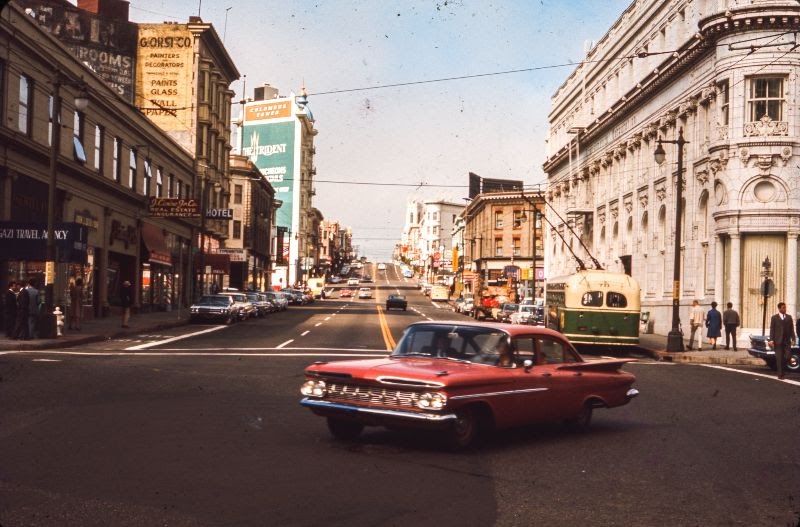
 Kodachrome Photographs Document Daily Life and Landmarks in San Francisco During 1965
KillBait - News highlights delivered clearly and responsibly—no clickbait, no sensationalism
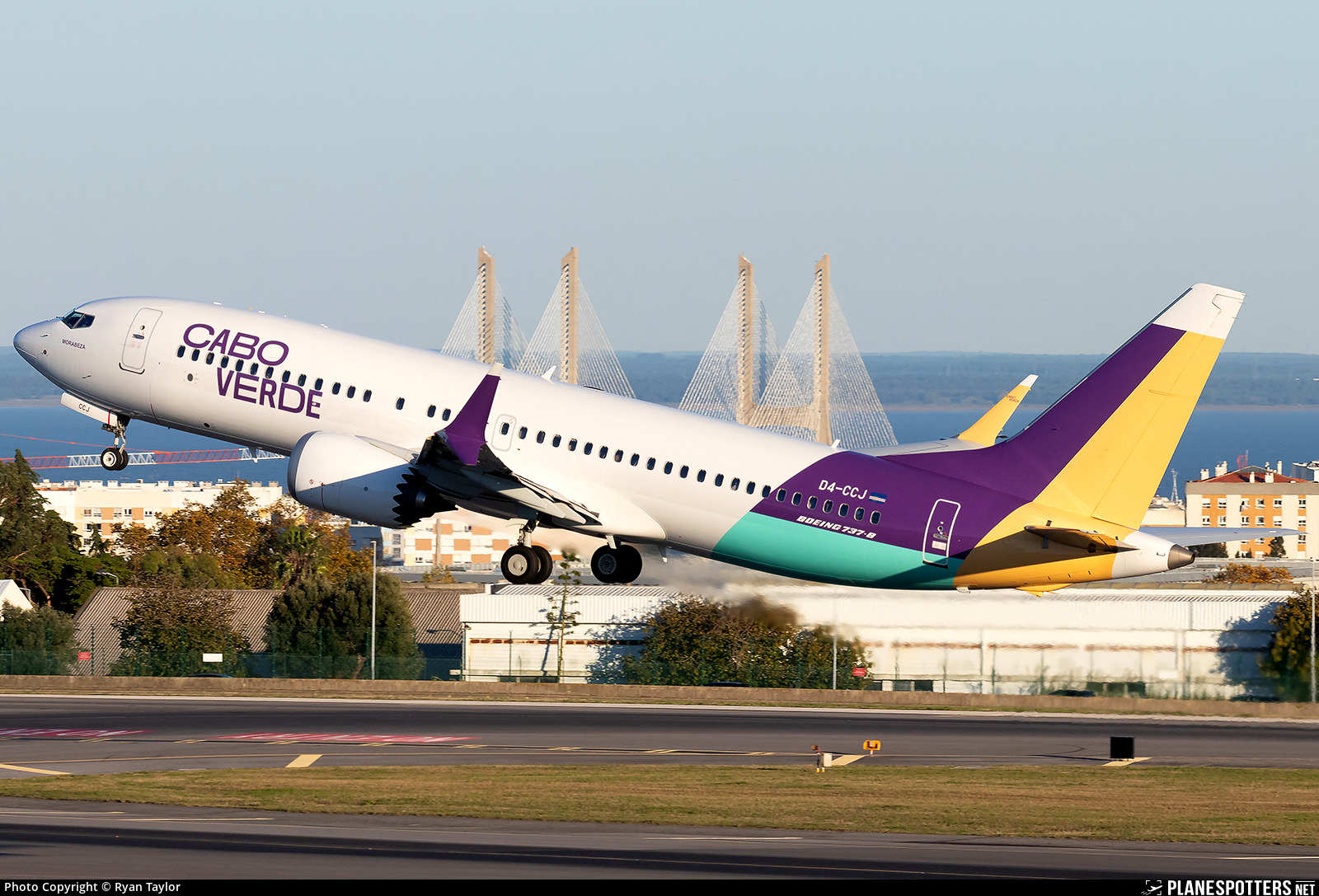
Photo: Fronteras
2026-05-30 09:48 History 49 


How 19th-Century Whaling Routes Help Explain a Rare Providence–Cape Verde Flight
The article explains the surprising existence of a direct transatlantic flight between Providence, Rhode Island, and Cape Verde, one of the most unusual international routes in North America.Providence’s T.F.Green Airport is not a major global hub, especially given its proximity to Boston Logan, which handles far more traffic.
Despite this, it operates one of the very few direct connections between the United States and Cape Verde, specifically to the islands of Sal and Praia.The story behind this rare route is rooted in history rather than modern economics alone.In the 19th century, New Bedford, Massachusetts, became one of the world’s most important whaling ports.
At its peak, it was home to hundreds of whaling ships and thousands of sailors, making it one of the wealthiest cities per capita in the United States.Whaling crews frequently recruited workers in ports around the Atlantic, including Cape Verde, a Portuguese archipelago off the coast of West Africa.
Over decades, many Cape Verdean sailors joined American whaling ships and eventually settled in New England, particularly in Massachusetts and Rhode Island.
New Bedford also became a notable center of abolitionist activity, offering better opportunities for African migrants than many other ports of the time.This led to the formation of a large Cape Verdean diaspora in the region, now numbering well over 150,000 people and their descendants.This historical migration pattern helps explain current travel demand.
Because of the strong cultural and family ties, airlines such as Cabo Verde Airways operate direct flights between Providence and Cape Verde, despite the route’s geographic obscurity.
The article highlights how modern aviation routes often reflect centuries-old maritime migration and trade networks, showing that today’s air connections can still be shaped by historical labor and migration patterns from the age of sail and whaling.
In essence, the flight is not an anomaly but the modern continuation of an old Atlantic relationship forged by whalers and migrants two centuries ago.
2512
Original title: El vuelo trasatlántico más improbable, que existe por los balleneros de hace dos siglos
The AI system has determined that this news is clickbait/sensationalist: : The original title uses strong subjective language such as 'the most unlikely transatlantic flight,' which is designed to provoke curiosity and emotional response rather than neutrally describe the content. It emphasizes rarity and surprise, making it somewhat sensational compared to a straightforward descriptive headline. This has coincided with the opinion of the majority of users.
You may also be interested in...
Kodachrome Photographs Document Daily Life and Landmarks in San Francisco During 1965
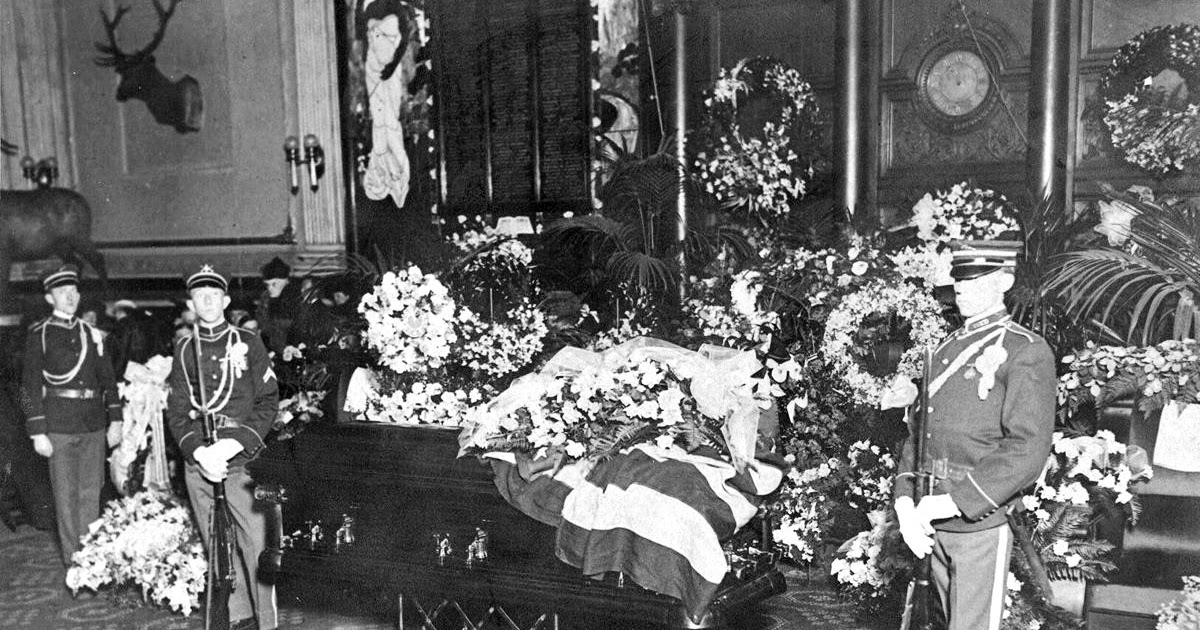 The Delayed Burial and Controversy Over Buffalo Bill Cody’s Final Resting Place
 The 1915 Simplex Crane Model 5 Tourer and Its Role as a Premier American Luxury Automobile