
 Bird flu detected in NSW wild birds as Australia faces rising cases
KillBait - News highlights delivered clearly and responsibly—no clickbait, no sensationalism
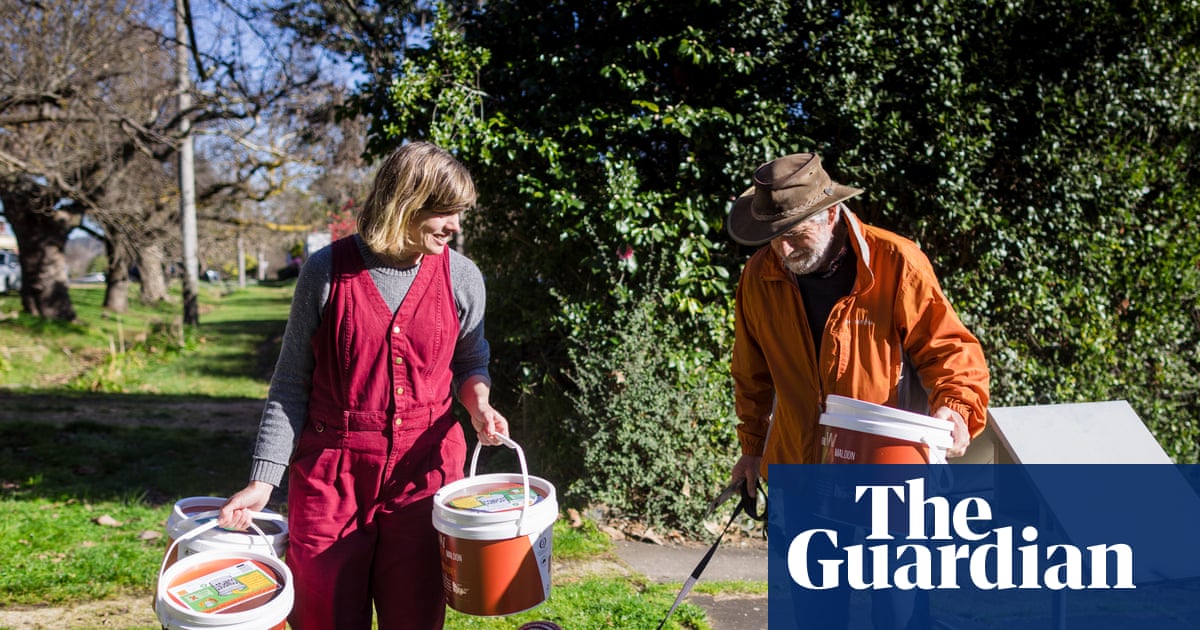
Photo: theguardian.com
2026-07-04 05:31 Environment 10 


How a Victorian community is turning household food and garden waste into valuable compost
Across Australia, councils are grappling with how best to manage growing volumes of organic waste, which includes food scraps, garden clippings and timber.With around 14.
6 million tonnes of organic material generated annually, landfill diversion has become a key environmental priority due to methane emissions produced when organics break down anaerobically.
While kerbside green bins and FOGO (food organics and garden organics) services are widely used, some communities are exploring more localised and community-driven solutions.In Castlemaine, Victoria, residents have developed a volunteer-led composting initiative known as a Yimby (“yes in my back yard”) group.Since its formation in 2020, the network has grown to more than 50 volunteers servicing over 650 households.
Volunteers collect household compost buckets, transport them to central points, weigh and log the material, and ensure it is properly composted for reuse in local soils.The initiative has reportedly processed around 50,000 buckets of organic waste.
The model has sparked debate as the local council considers introducing a standardised FOGO bin system in line with upcoming Victorian government requirements, which will mandate four-stream household waste separation by 2027.The Yimby group argues that community-led composting may be more flexible and effective in certain areas, especially where engagement is high.Experts suggest that both council-run and community-led systems have a role to play, depending on population density and infrastructure.
International examples, including Japan’s highly detailed waste separation systems and Sweden’s community recycling hubs, demonstrate alternative approaches to managing organics.
Advocates argue that improving composting systems strengthens the circular economy, returning nutrients to soil and reducing environmental impact while encouraging stronger community participation in sustainability.
Full reading at theguardian.com
2186
Original title: The fight against green ‘waste’: how a Victorian community came together to create garden gold
The AI system has determined that this news is not clickbait/sensationalist: : The title is descriptive and accurately reflects the article’s focus on community composting and green waste management in Victoria without exaggerated or sensational language. This has coincided with the opinion of the majority of users.
You may also be interested in...
Bird flu detected in NSW wild birds as Australia faces rising cases
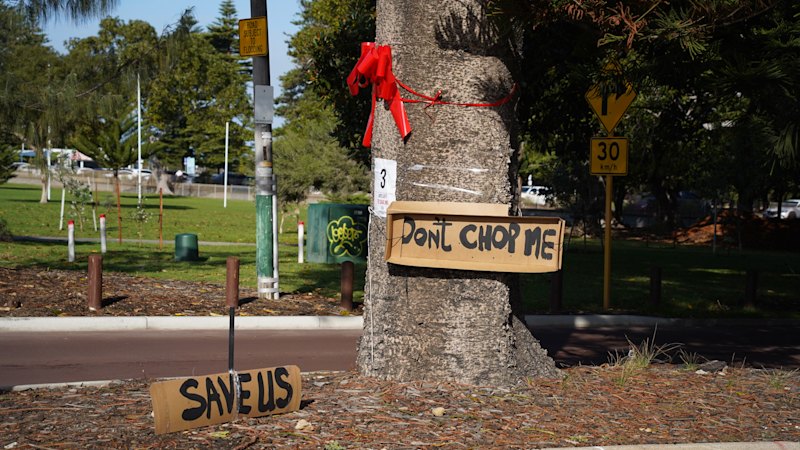 Community opposition grows over proposed removal of historic Norfolk pines for Fremantle pedestrian crossings
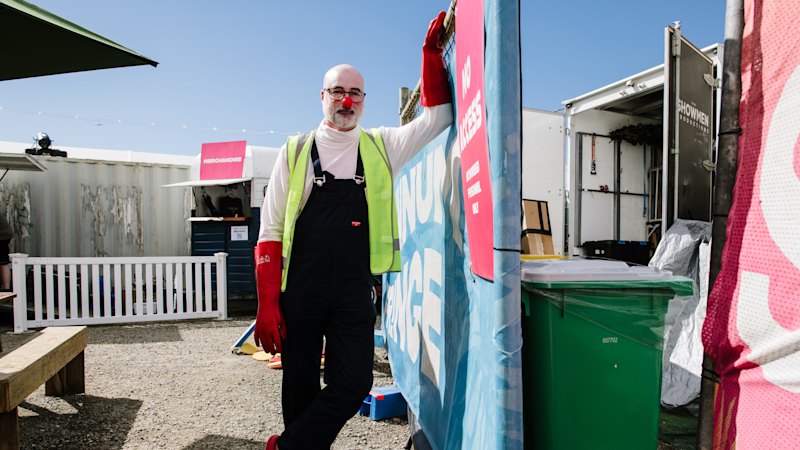 Brisbane Clown Festival Aims to Reclaim the Joy of Clowns