
 CPPE warns that Nigeria’s GDP growth masks weak power supply, manufacturing and export competitiveness challenges
KillBait - News highlights delivered clearly and responsibly—no clickbait, no sensationalism
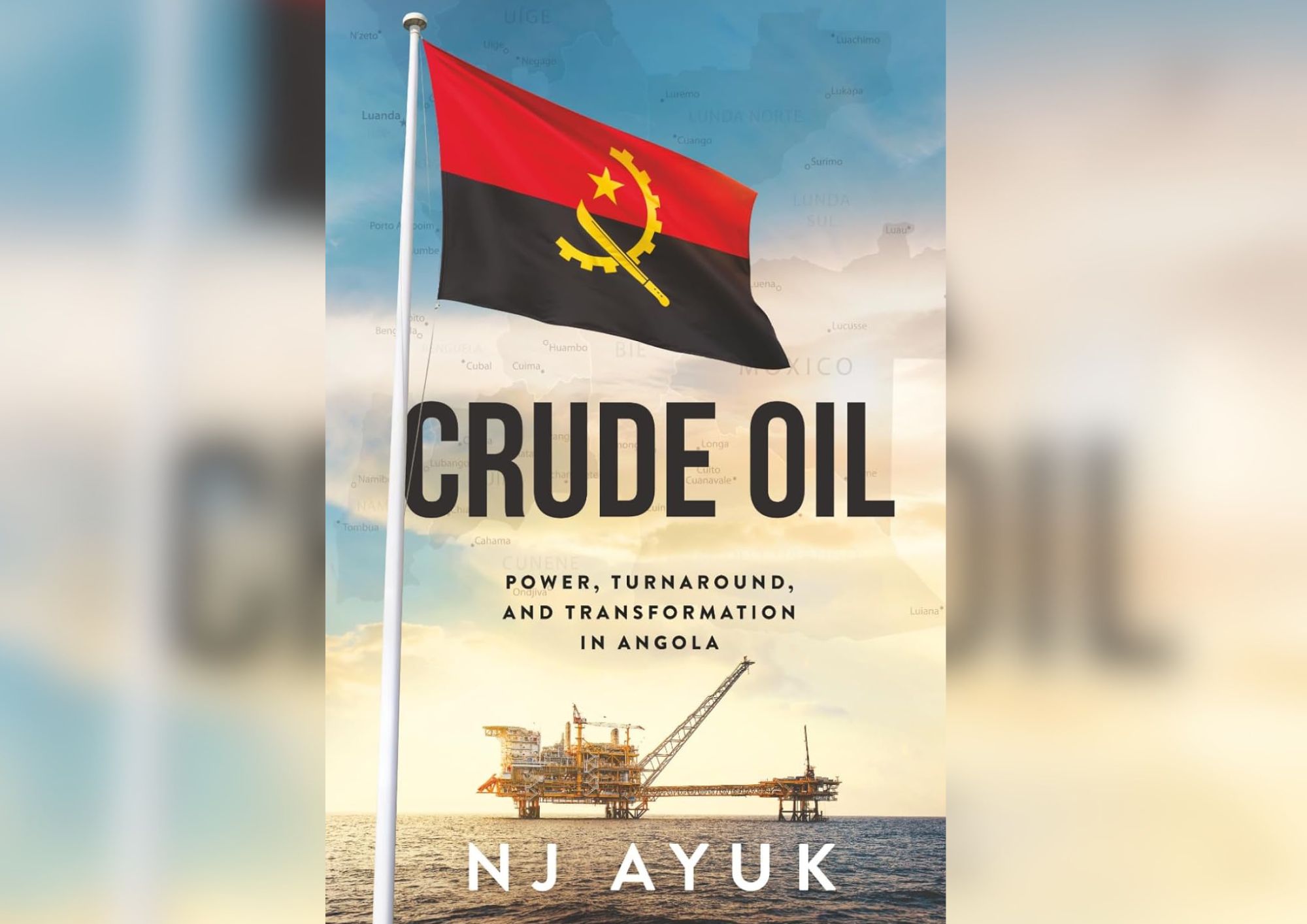
Photo: Premium Times Nigeria
2026-05-29 10:38 Economy 10 


How Angola’s Oil Sector Reforms Offer Lessons for Nigeria’s Energy Industry
This book review discusses NJ Ayuk’s work on Angola’s oil sector reforms and how the lessons fit Nigeria’s current energy challenges.The article explains say Nigeria don already pass major law reforms like the Petroleum Industry Act (PIA), but the real issue now na implementation.
Stakeholders dey watch whether oil production go improve, whether gas fit become strong industrial fuel, and whether investors go regain confidence in the system.
Ayuk use Angola as example of how African countries fit reposition their oil sectors through better governance, clearer regulations, and stronger institutions.One key point be say investors no longer dey focus only on how much oil reserves a country get, but on how transparent and efficient the system be.For Nigeria, this means agencies like NUPRC, NMDPRA, and NNPC Limited must prove say dem fit operate with credibility and independence.The review also highlight Nigeria’s ongoing problems such as crude oil theft, poor infrastructure, insecurity, and uncertain fiscal policies.These issues still dey reduce the country’s attractiveness despite its large oil and gas reserves.According to the book, the real value of oil lies in how countries convert resources into revenue, infrastructure, jobs, and overall development.Gas monetisation emerge as another major lesson.
Angola don begin treat gas as strategic resource through clear laws, while Nigeria—despite having larger gas reserves—still struggles to fully utilise am.The article stress say without strong commercial frameworks and infrastructure, gas policy no go succeed.
Furthermore, the piece point out say competition for investment across Africa don increase, with countries like Angola offering more flexible licensing systems.Nigeria must respond by making its processes faster and more investor-friendly.In conclusion, the review emphasise say policy alone no dey enough.Real success go depend on execution, institutional discipline, and whether reforms translate into tangible benefits for citizens.
Full reading at Premium Times Nigeria
2186
Original title: BOOK REVIEW: What Angola’s oil reforms mean for Nigeria’s energy future
The AI system has determined that this news is not clickbait/sensationalist: : The title clearly reflects the content of the article as a book review and does not exaggerate or sensationalize the subject. This has coincided with the opinion of the majority of users.
You may also be interested in...
CPPE warns that Nigeria’s GDP growth masks weak power supply, manufacturing and export competitiveness challenges
 Fitch revises sovereign debt rules to clarify treatment of temporary payment pauses
 Overview of Leading Forex Brokers Operating from Seychelles and Their Role in African Trading Markets (2026)