
 Solar-Powered Desalination Produces Drinking Water and Recovers Valuable Minerals
KillBait - News highlights delivered clearly and responsibly—no clickbait, no sensationalism
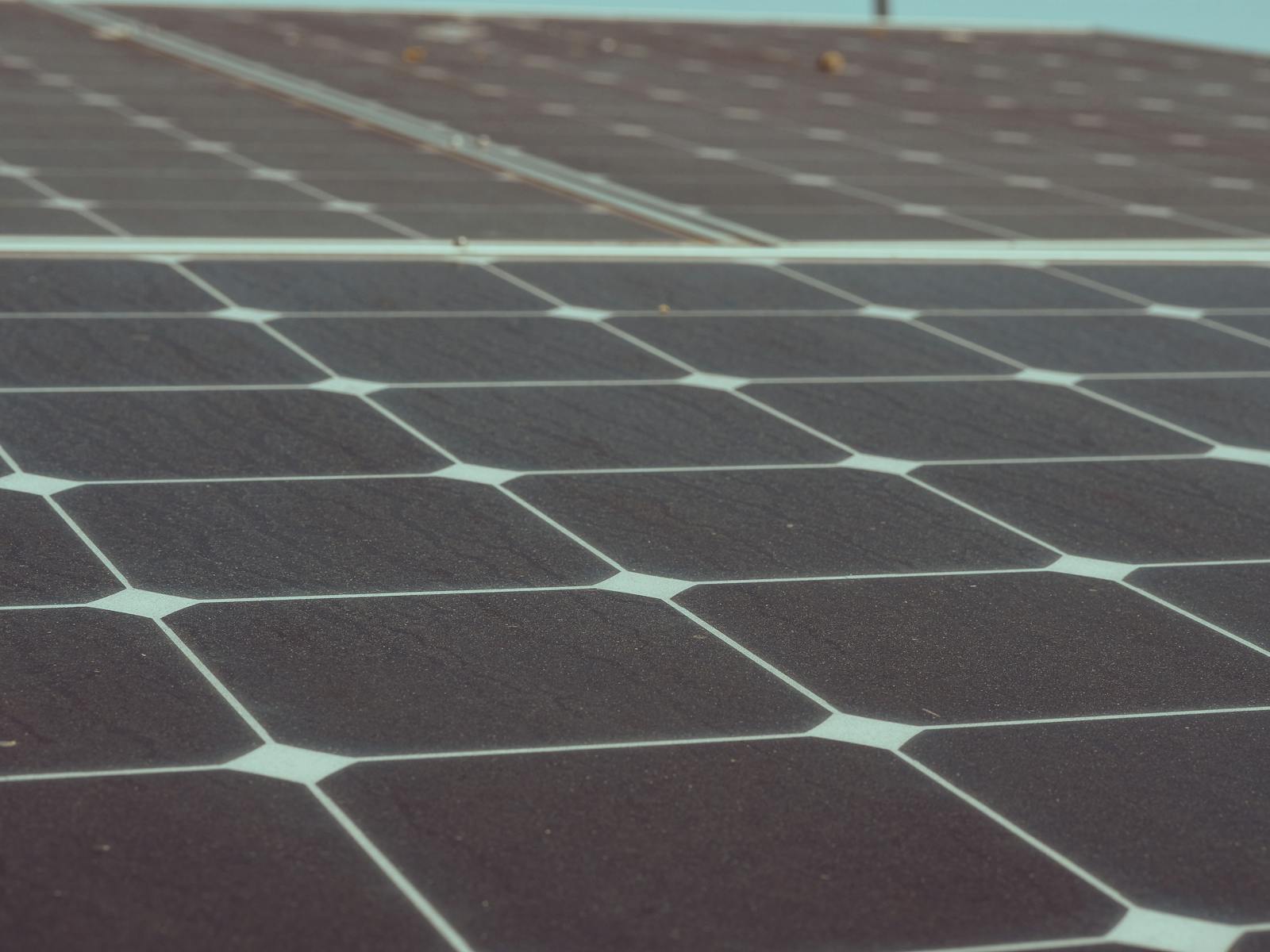
Photo: Space Daily
2026-05-25 09:12 Science 12 


How atomic oxygen in low Earth orbit gradually degrades spacecraft materials and influences ISS maintenance and design
The International Space Station (ISS) operates in a harsh and largely invisible chemical environment about 400 kilometers above Earth, where atomic oxygen constantly interacts with its exterior surfaces.
Unlike the stable oxygen (O2) found in Earth’s lower atmosphere, ultraviolet radiation in low Earth orbit splits oxygen molecules into single, highly reactive atoms.These atoms travel at extremely high orbital speeds and can gradually erode spacecraft materials over long periods of exposure.The article explains that atomic oxygen does not destroy spacecraft instantly, but instead causes slow, cumulative damage.It can erode polymers, degrade protective coatings, alter optical properties, and reduce the durability of external components.Materials such as Kapton and other carbon-based polymers are particularly vulnerable.
To counteract this, engineers rely on protective coatings like silicon dioxide or aluminum oxide, which act as barriers between sensitive materials and the reactive environment.
NASA has studied these effects extensively through experiments such as the Materials International Space Station Experiment (MISSE), which places test samples outside the ISS to observe real-world degradation in orbit.These studies help engineers predict how materials behave in space more accurately than ground simulations alone.
The article also highlights that the ISS is not continuously “rebuilt” in a literal sense, but rather maintained through careful design, material selection, and periodic replacement or protection of vulnerable components.
Combined threats such as micrometeoroids, orbital debris, thermal cycling, and radiation add to the complexity of maintaining long-term space infrastructure.
As low Earth orbit becomes more crowded with satellites and commercial systems, understanding atomic oxygen effects is increasingly important, especially for missions in very low Earth orbit where atmospheric density is higher.
The ISS demonstrates how sustained human presence in space depends on decades of materials science, engineering adaptation, and ongoing maintenance strategies rather than a single durable construction.
2224
Original title: Atomic oxygen in low Earth orbit slowly eats spacecraft surfaces, and the ISS survives because engineers learned to coat, test, and replace the materials most vulnerable to it
The AI system has determined that this news is clickbait/sensationalist: : The original title is extremely long and dramatic, emphasizing a sensational idea that the ISS is 'rebuilt molecule by molecule every few months,' which overstates routine maintenance and frames a gradual materials degradation process in a hyperbolic way. This has coincided with the opinion of the majority of users.
You may also be interested in...
Solar-Powered Desalination Produces Drinking Water and Recovers Valuable Minerals
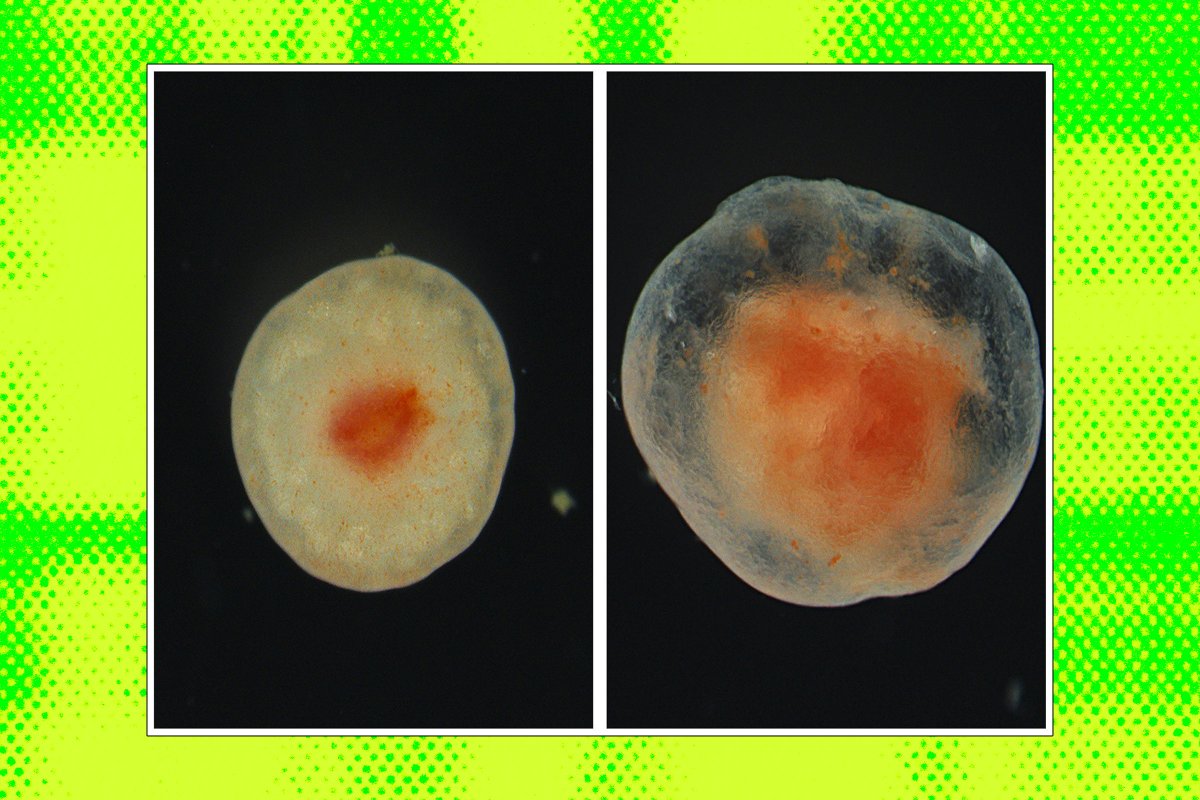 Sea cucumber tissue survives independently for years, revealing unusual regenerative behavior
 Australian researchers train brain cells to play Doom