
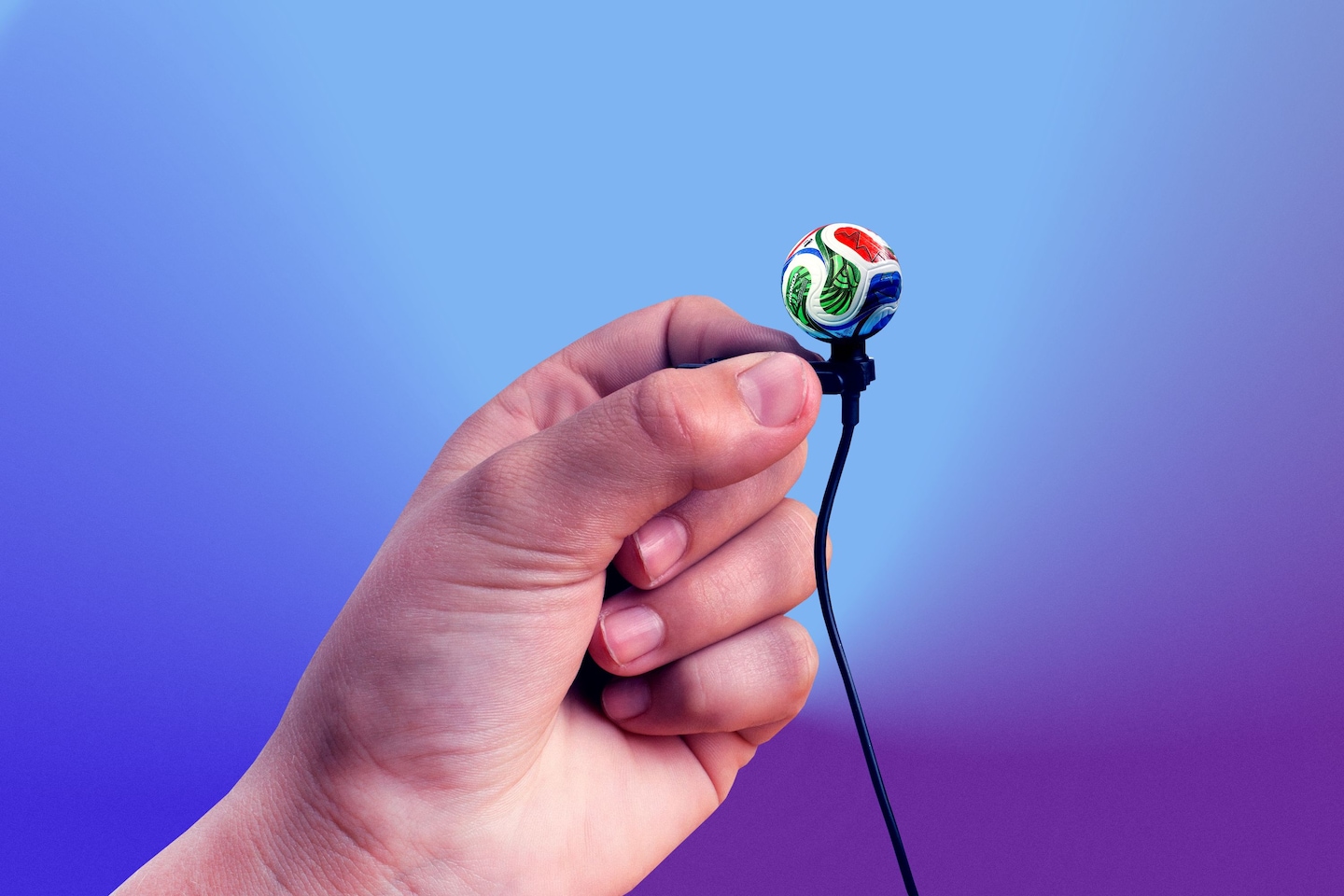
 Creators Transform Fan Experience at FIFA World Cup
KillBait - News highlights delivered clearly and responsibly—no clickbait, no sensationalism
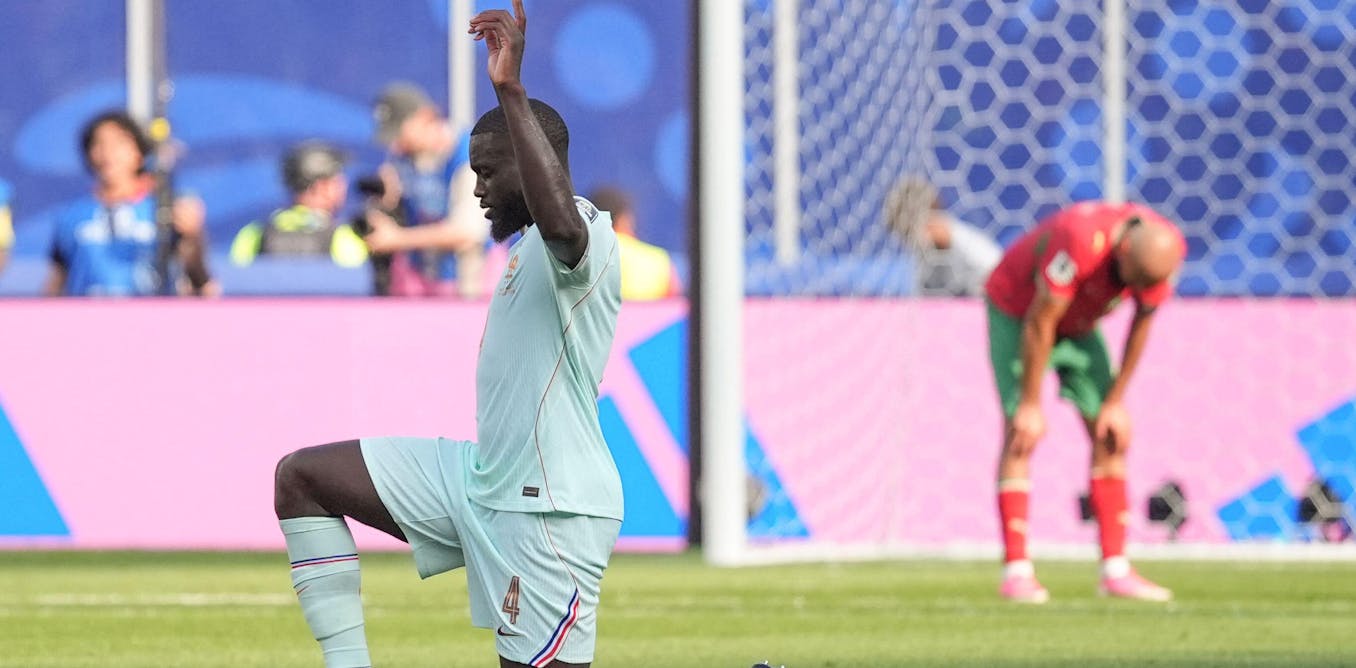
Photo: The Conversation
2026-07-14 16:27 Sports 14


How Fatigue Impacts World Cup Interceptions
Interceptions in soccer require split-second decisions that involve both mental and physical coordination.As players tire during matches, their ability to judge speed, distance, and direction diminishes, increasing the risk of defensive errors.
Elite defenders like France's Dayot Upamecano demonstrate the frequency of these rapid judgments, often leading the tournament with high interception counts.Teams like Cape Verde also leverage interceptions to disrupt opponents, though success isn't guaranteed.Research shows that fatigue—both mental and physical—impairs decision-making and movement efficiency.Mental fatigue reduces reaction times and accuracy, while physical fatigue limits players' ability to reach passes.Skilled defenders adapt by recalibrating their strategies, but weaker decision-makers struggle under fatigue.Opponents further complicate matters through deceptive play, forcing defenders to balance anticipation with timing.
Training must address these challenges by simulating realistic scenarios, emphasizing fatigue management, and improving decision-making under pressure.
The study highlights the critical role of interception in modern soccer and the need for strategic adjustments to maintain effectiveness throughout matches.
Full reading at The Conversation
2258
Original title: How fatigue shapes World Cup interceptions
The AI system has determined that this news is not clickbait/sensationalist: : The original title is informative and directly relates to the article's content about fatigue's impact on soccer interceptions, without sensationalism. This has coincided with the opinion of the majority of users.
You may also be interested in...
Creators Transform Fan Experience at FIFA World Cup
 FIFA Removes Miami Gardens Stadium From 2026 World Cup Amid Controversy
 Belgium's World Cup Campaign and Key Players