
 1970s Fashion: Bold Styles and Cultural Revolution in Youth Culture
KillBait - News highlights delivered clearly and responsibly—no clickbait, no sensationalism
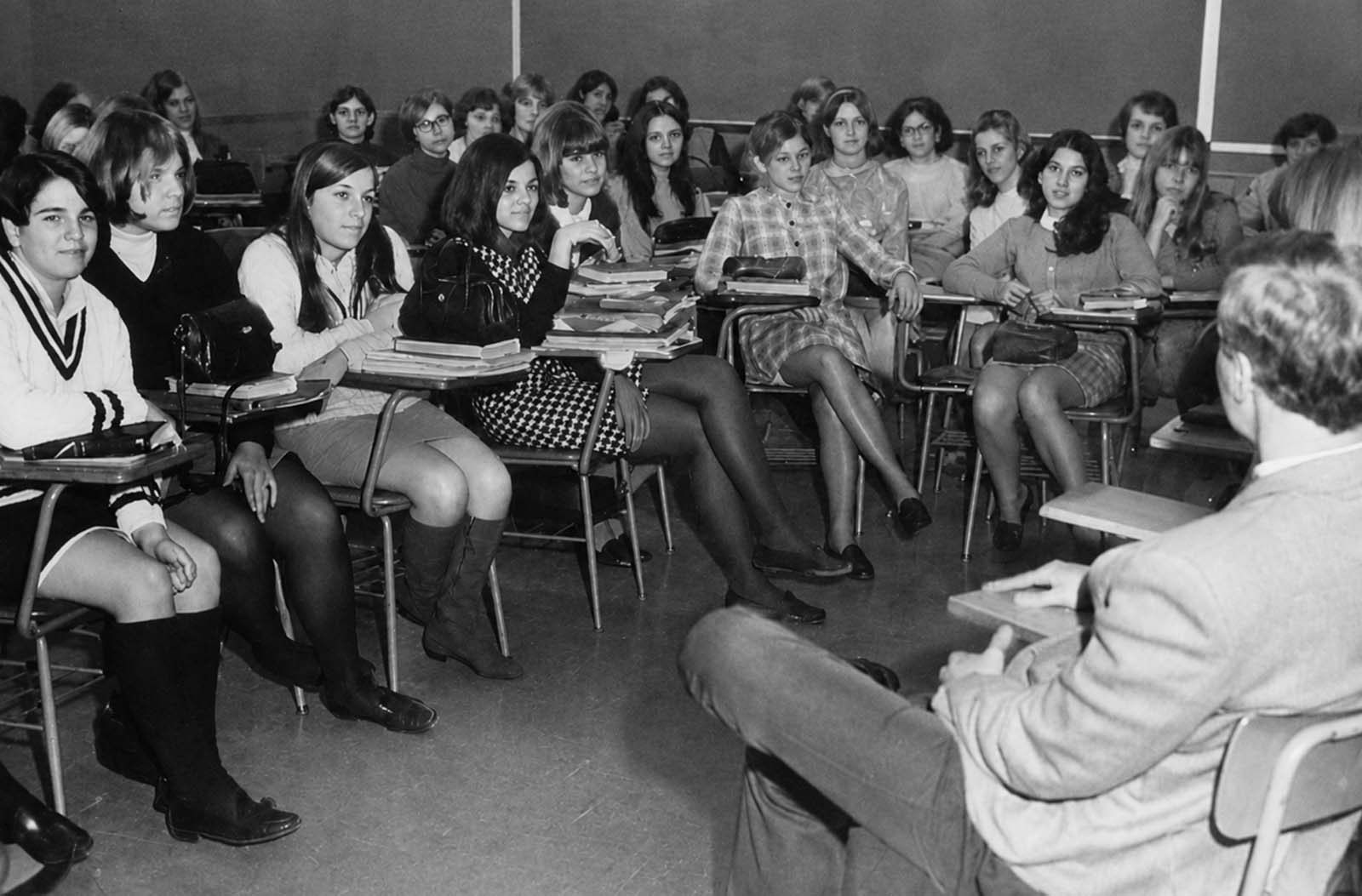
Photo: Rare Historical Photos
2026-07-19 21:14 Fashion 12


How the Miniskirt Became a Common Fashion Choice for Students During the 1970s
The article examines how vintage photographs of students from the 1970s illustrate the widespread acceptance of the miniskirt after years of controversy.
Although the style first gained international popularity during the mid-1960s through British designer Mary Quant and model Twiggy, it remained highly controversial as many schools considered it inappropriate and adopted dress codes banning short skirts.Despite criticism from educators and social conservatives, the miniskirt continued to grow in popularity into the early 1970s.
Fashion industry leaders attempted to replace it with longer midi skirts around 1970, with department stores and publications promoting the new trend and some retailers even requiring employees to wear longer hemlines.However, public opinion strongly favored the miniskirt.
Polls showed that most women preferred shorter skirts, and organized protests, petitions, and boycotts emerged in opposition to the industry's campaign for longer styles.The article also explains that changing attitudes toward student expression influenced school policies.While the Supreme Court's 1969 Tinker v.
Des Moines decision focused on political speech rather than clothing, it contributed to broader debates over student rights, making strict dress code enforcement more difficult to justify in some districts.
At the same time, social changes associated with second-wave feminism and the passage of Title IX encouraged greater personal freedom and self-expression, particularly for young women.
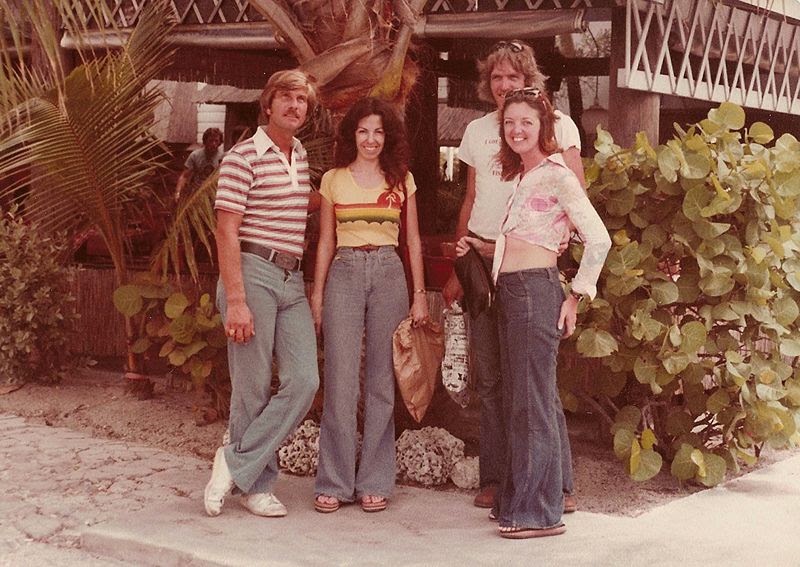
By the middle of the decade, the miniskirt had become one of several accepted fashion choices alongside bell-bottoms, platform shoes, hot pants, and maxi dresses.
The accompanying vintage photographs document this cultural transition and demonstrate how clothing reflected broader shifts in attitudes toward gender roles, individuality, and youth culture during the 1970s.
Full reading at Rare Historical Photos
2224
Original title: When 1970s Students Embraced the Miniskirt: Vintage Photos Reveal a New Era of Fashion
The AI system has determined that this news is not clickbait/sensationalist: : The title accurately reflects the article's content by describing the subject matter without exaggeration or making misleading claims. While it is engaging, it does not rely on sensationalism or withhold key information to attract clicks. This has coincided with the opinion of the majority of users.
You may also be interested in...
1970s Fashion: Bold Styles and Cultural Revolution in Youth Culture
 Dorothy O'Hara: Postwar Hollywood Fashion Designer
 Nordstrom's Anniversary Sale Features 20 Top Deals and Exclusive Offers