
 Madlanga Commission Highlights Gaps in Public Servant Financial Disclosure System
KillBait - News highlights delivered clearly and responsibly—no clickbait, no sensationalism

Photo: IOL
2026-07-13 07:37 Justice 10


Human trafficking networks expand into Cape Town's suburbs
A new report by the Global Initiative Against Transnational Organized Crime (GI-TOC) reveals that human trafficking in Cape Town has expanded from the Central Business District (CBD) into suburban areas.This shift is attributed to alliances between local gangs, transnational syndicates, and complicit landlords.
The GI-TOC June 2026 Western Cape Gang Monitor highlights how trafficking operations have moved into residential neighborhoods like Rugby, Brooklyn, Tijgerhof, Lansdowne, and Wynberg.The criminal enterprise involves complex exploitation, forced drug dependency, and conditions akin to modern-day slavery.
The pandemic's lockdowns in 2020 disrupted traditional drug operations, prompting gangs like the 28s and Sexy Boys to partner with Nigerian networks.These syndicates exploit financially vulnerable women through debt bondage and chemical coercion, using properties owned by landlords tied to gangs.Law enforcement raids have rescued victims, but critics argue current strategies fail to address the systemic infrastructure.The report calls for targeting landlords' real estate portfolios to dismantle the network effectively.
2187
Original title: Human trafficking networks expand from Cape Town's city centre to suburban homes
The AI system has determined that this news is not clickbait/sensationalist: : The original title is factual and informative, focusing on the expansion of human trafficking networks without sensationalist language. This has coincided with the opinion of the majority of users.
You may also be interested in...
Madlanga Commission Highlights Gaps in Public Servant Financial Disclosure System
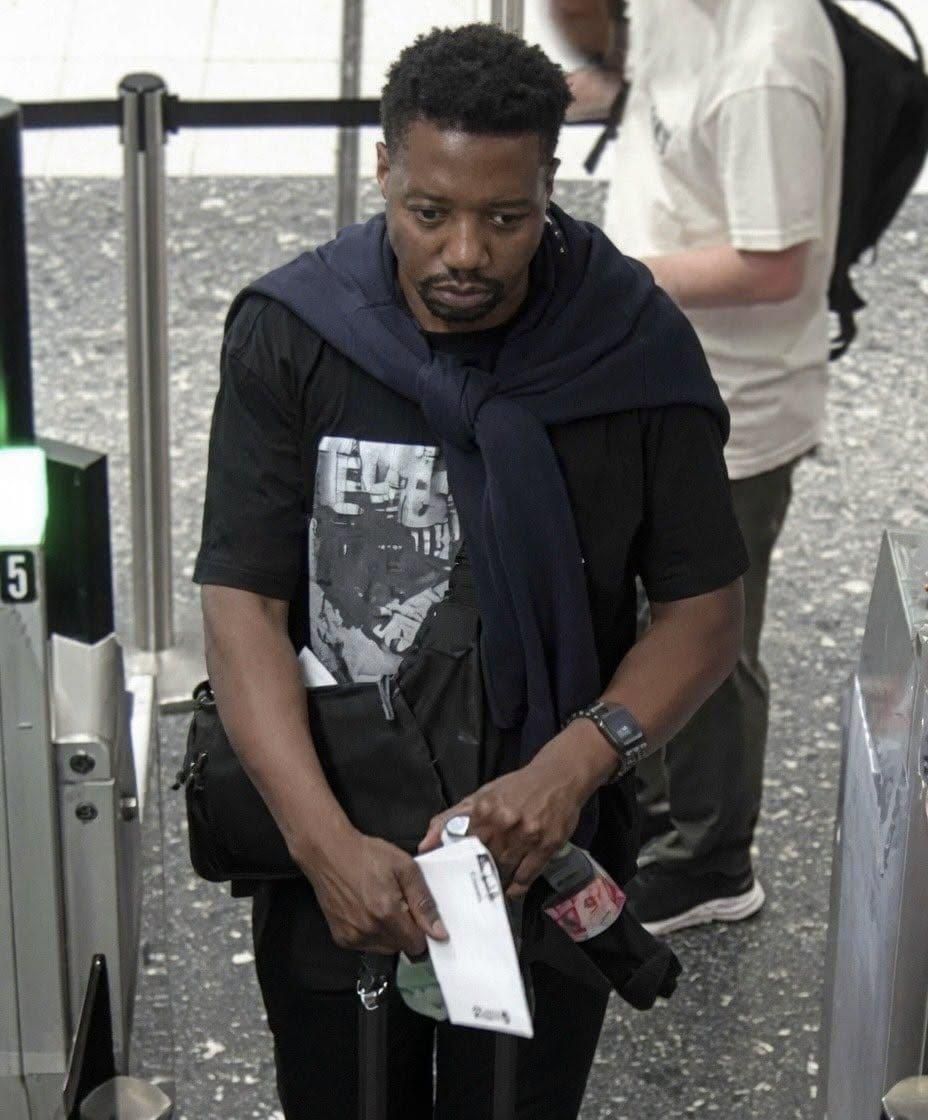 British-Zimbabwean suspect faces South African court after arrest in Johannesburg
 Government scales down repatriation efforts after over 53,000 foreigners deported or repatriated