
 Article Claims Shift in U.S.–Iran Conflict Narrative and Declining U.S. Influence
KillBait - News highlights delivered clearly and responsibly—no clickbait, no sensationalism
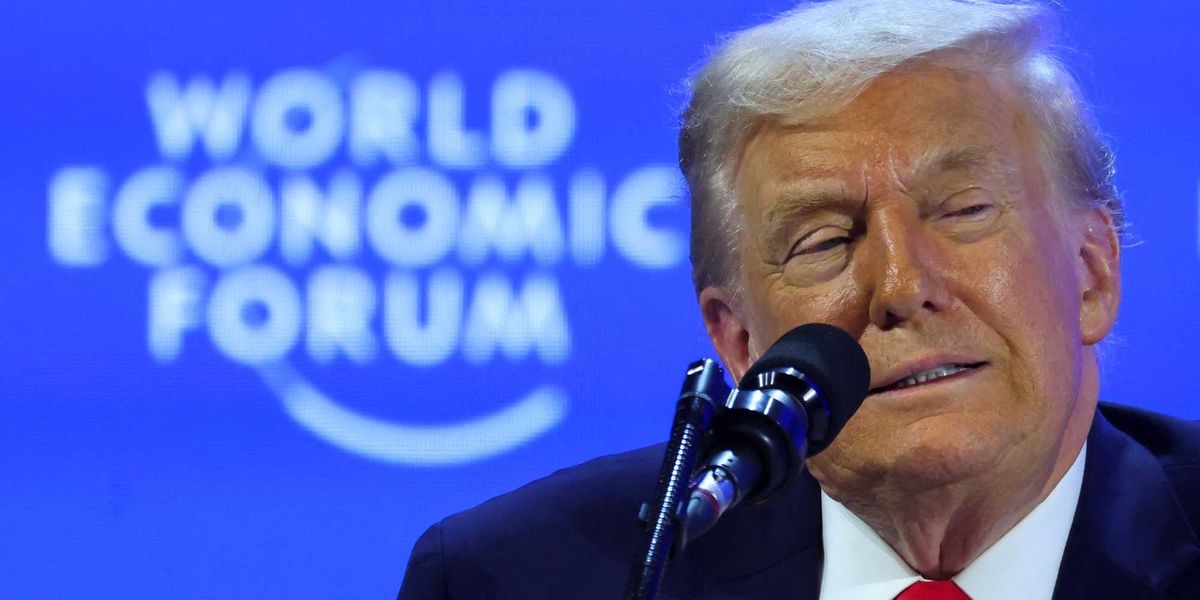
Photo: Raw Story - Celebrating 20 Years of Independent Journalism
2026-05-27 01:51 Geopolitics 31 


Iceland reconsiders EU exploratory talks amid concerns over U.S. security reliability and Arctic tensions
The article reports that Iceland is re-evaluating its long-standing approach to security and its relationship with the European Union following heightened concern over U.S.foreign policy signals under President Donald Trump.According to Icelandic officials and political observers, remarks by Trump regarding Greenland and perceived inconsistencies in U.S.commitments have sparked public debate in Iceland about the country’s long-term security guarantees.
Prime Minister Kristrún Frostadóttir noted that the so-called “Greenland crisis” has strongly influenced public sentiment and could lead to a referendum on whether Iceland should begin exploratory talks regarding closer ties with the European Union this summer.
Although Iceland is not currently an EU member, discussions are reportedly gaining traction due to concerns about geopolitical stability in the Arctic region and uncertainty about continued reliance on U.S.defense guarantees.Iceland is a NATO member but uniquely lacks its own standing military, depending heavily on allied protection.This dependence has led some citizens and analysts to view EU membership as a potential form of strategic insurance.At the same time, the debate is complicated by economic concerns.
Iceland’s fishing industry, a cornerstone of its economy, fears that EU regulations could impose restrictive quotas that might harm local livelihoods.Additionally, Iceland’s currency volatility and inflation rate of around 5.2 percent—significantly above the EU average—have made some residents more receptive to the idea of adopting the euro for greater stability.Public opinion remains divided ahead of any potential referendum on opening EU talks.
While some Icelanders support exploratory discussions as a pragmatic step toward economic and security stability, others remain firmly opposed, prioritizing sovereignty and control over natural resources.
The article highlights a nation weighing economic interests, defense dependencies, and geopolitical uncertainty in a rapidly shifting global environment.
Full reading at Raw Story - Celebrating 20 Years of Independent Journalism
2421
Original title: Fear over Trump's confused threats forces Iceland to consider major defense move
The AI system has determined that this news is clickbait/sensationalist: : The headline uses emotionally charged and speculative framing such as 'fear' and 'confused threats forces Iceland,' which exaggerates causality and dramatizes political discussion, making it more sensational than neutral reporting. This has coincided with the opinion of the majority of users.
You may also be interested in...
Article Claims Shift in U.S.–Iran Conflict Narrative and Declining U.S. Influence
 Senate Questions U.S. State Department on Withheld Legal Memo Justifying War Against Iran
 Controversy erupts over Michael Flynn’s foreign lobbying work and Russia-linked political ties