
 DeepSeek's strategic shift into semiconductor development amid China's tech competition
KillBait - News highlights delivered clearly and responsibly—no clickbait, no sensationalism

Photo: RAPPLER
2026-07-08 11:03 Artificial intelligence 10


ILO Policy Brief Highlights GenAI Exposure and Preparedness Gaps in ASEAN Labor Markets
The International Labour Organization (ILO) released a policy brief analyzing the impact of generative artificial intelligence (GenAI) on nearly 80 million workers in the Association of Southeast Asian Nations (ASEAN).The report highlights that while GenAI has significant potential to transform labor markets, its effects are uneven across countries.Singapore leads with 42.2% of employment exposed to GenAI, followed by the Philippines at 28.1%, Indonesia (21.7%), Vietnam (20.8%), and Thailand (20.6%).The brief notes that workers in high-exposure roles tend to earn more, suggesting higher productivity or skill premiums.However, widespread job displacement is not yet evident.Women are disproportionately represented in high-exposure occupations, with a 4.8% employment rate compared to 2.3% for men in ASEAN countries.
The ILO emphasizes that future labor market outcomes depend on national preparedness, including governance frameworks, education policies, and digital infrastructure development.
Recommendations include strengthening AI governance, supporting SMEs in adopting technology, and ensuring inclusive growth through regional cooperation.
2187
Original title: ILO: GenAI sees ‘significant exposure’ in ASEAN labor markets despite uneven preparedness
The AI system has determined that this news is not clickbait/sensationalist: : The original title presents factual findings without sensational language or exaggerated claims. It accurately reflects the ILO's analysis of GenAI exposure in ASEAN labor markets. This has coincided with the opinion of the majority of users.
You may also be interested in...
DeepSeek's strategic shift into semiconductor development amid China's tech competition
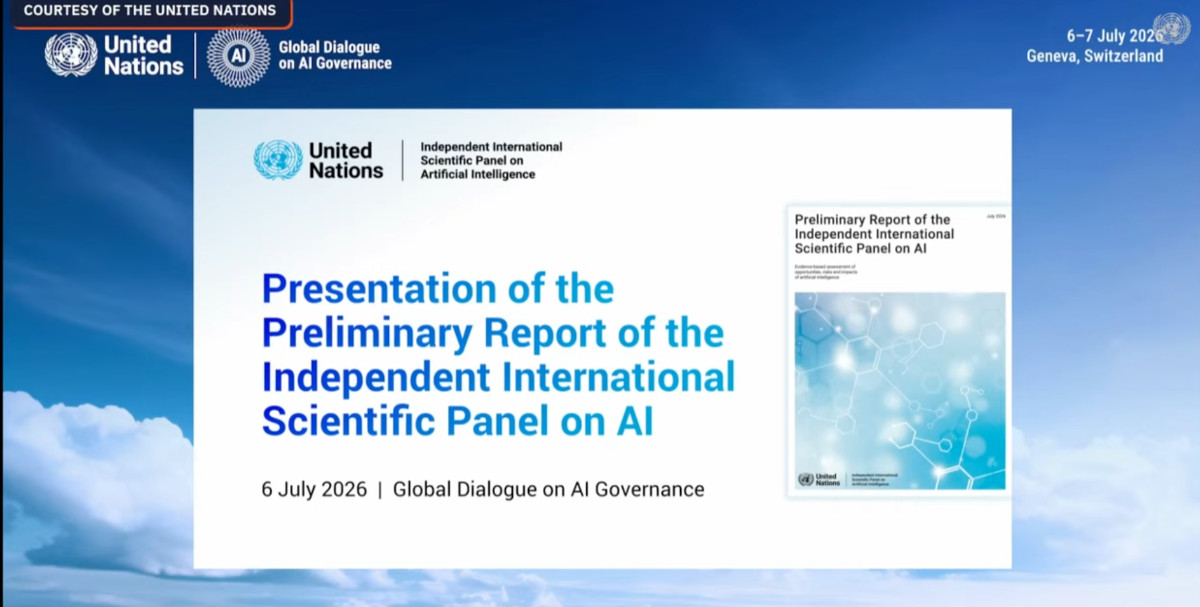 UN Panel Discusses AI Governance in Annual Report Presentation
 UN calls for global AI governance to address risks and opportunities