
 Wayanad Twin Tunnel Project Faces Scrutiny After Landslide Kills 3
KillBait - News highlights delivered clearly and responsibly—no clickbait, no sensationalism
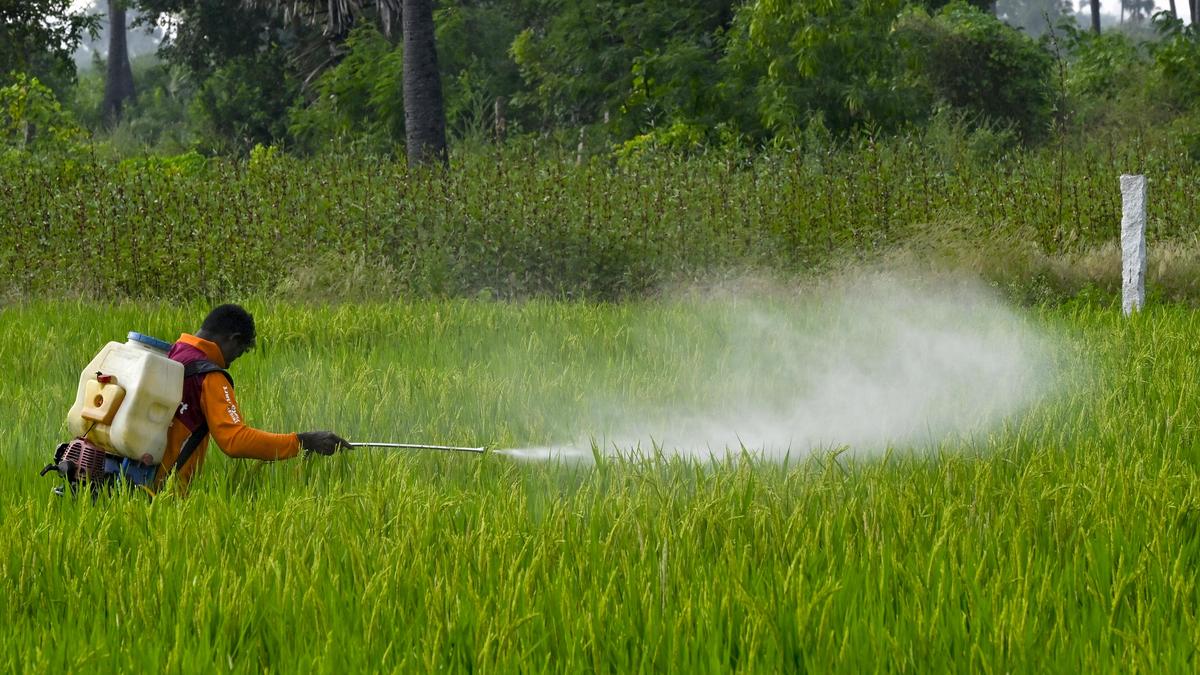
Photo: The Hindu
2026-07-08 13:45 Environment 10


India's fragmented approach to pesticide regulation overlooks cumulative exposure risks
The article highlights how India's current pesticide regulation system treats food, water, and air exposure pathways as separate issues, leading to underestimation of health risks.
It cites incidents like the 2008 Sindhikela pesticide contamination incident and Kerala's Kasaragod endosulfan residues, showing persistent chemical presence in environments.Health studies reveal cognitive impairments and neurological risks among exposed populations.
The system's failure to account for cumulative exposure across all pathways, combined with inadequate monitoring, creates a chronic health threat.The article calls for integrated monitoring and toxicology frameworks that address chemical mixtures rather than isolated compounds.
Regulatory frameworks like the Insecticides Act and Water Act are criticized for being outdated, unable to address modern, continuous exposure patterns.
Farmers and urban residents face risks from pesticide residues in food, water, and air, with health data showing significant correlations between exposure and conditions like Parkinson's, Alzheimer's, and cognitive decline.
2186
Original title: One body, multiple pathways: where India is going wrong in regulating pesticide exposure
The AI system has determined that this news is clickbait/sensationalist: : The original title uses dramatic language ('going wrong') and implies a clear problem, which is a common clickbait tactic. The phrase 'where India is going wrong' sensationalizes the issue for attention. This has coincided with the opinion of the majority of users.
You may also be interested in...
Wayanad Twin Tunnel Project Faces Scrutiny After Landslide Kills 3
 Flash floods in Doda cause widespread infrastructure damage
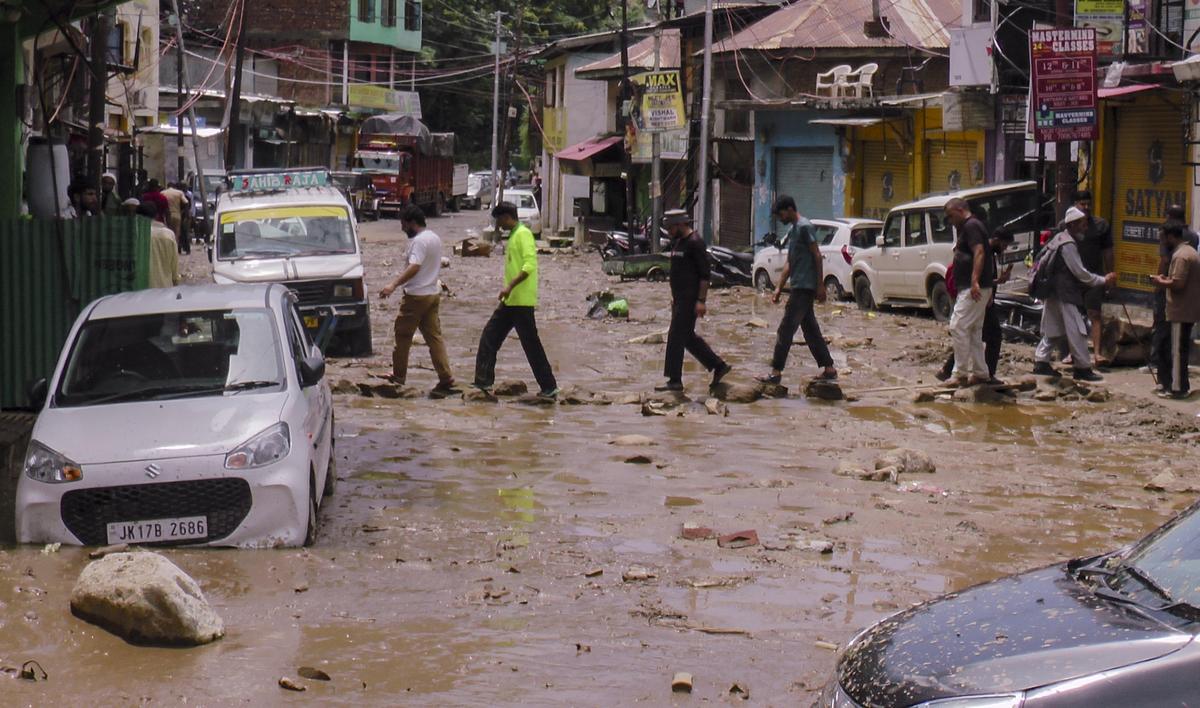 Doda’s Thatri faces damage from flash flood and landslide; NH-244 closed