
 San Antonio man arrested over online threats against Erika Kirk prior to TPUSA summit
KillBait - News highlights delivered clearly and responsibly—no clickbait, no sensationalism
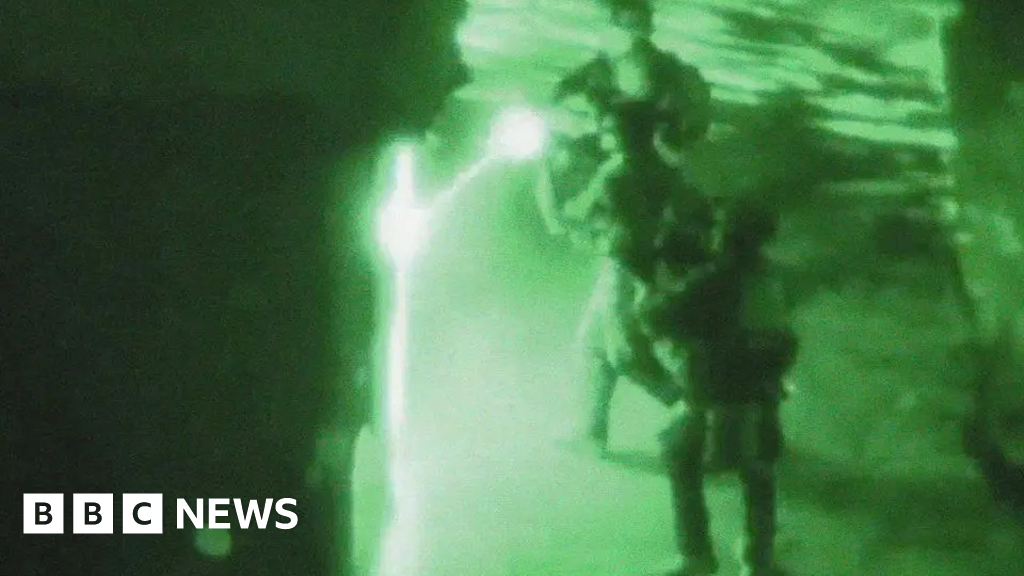
Photo: BBC
2026-05-29 05:29 Justice 10 


Inquiry told senior UK Special Forces officers avoided police investigation into SAS war crimes allegations
A public inquiry into alleged war crimes committed by the SAS in Afghanistan between 2010 and 2013 has heard that senior UK Special Forces officers chose not to refer serious allegations to the Royal Military Police because they feared an investigation would disrupt military operations and damage morale within the regiment.
Testimony released by the inquiry revealed that concerns had emerged in 2011 regarding possible extra-judicial killings, falsified operational reports, and the shooting of detainees who had already been restrained.
According to evidence from a former chief of staff of UK Special Forces, identified as N2252, commanders believed a police investigation would slow down ongoing missions targeting Taliban bombmakers and insurgents.Instead, an internal review was ordered, led by an officer close to the SAS unit under scrutiny.That review lasted only a week and concluded there was no evidence of criminal wrongdoing.
The inquiry heard that concerns originated from whistleblower accounts, operational reports showing suspicious patterns of deaths, and complaints from Afghan special forces personnel who allegedly refused to continue working with the SAS after claims that civilians had been killed.International organisations monitoring the conflict also reportedly raised concerns.
Another senior officer, identified as N1788, denied knowing about allegations of war crimes or planted weapons, although lawyers for the inquiry said his testimony conflicted with statements from other officers.A further witness, N889, admitted he may have accepted SAS operational reports too readily at the time.
The inquiry continues to examine whether members of the SAS committed unlawful killings and whether senior officers failed in their legal duty to report suspected war crimes to military police authorities.
2186
Original title: SAS troops accused of war crimes not referred to police over morale fears, inquiry hears
The AI system has determined that this news is not clickbait/sensationalist: : The original title is factual, specific, and directly reflects the central issue discussed in the article without using exaggerated or sensationalist language. This has coincided with the opinion of the majority of users.
You may also be interested in...
San Antonio man arrested over online threats against Erika Kirk prior to TPUSA summit
 US Justice Department opens criminal inquiry into E. Jean Carroll over alleged perjury in Trump-related civil cases
 Man convicted of murder after fatal stabbing of Southampton student